Upcycling and Customization: 2026 Fashion’s Next Big Thing
Advertisements
Upcycling and customization are transforming the fashion landscape for 2026, empowering enthusiasts to create unique, sustainable styles that reflect individual expression and environmental consciousness.
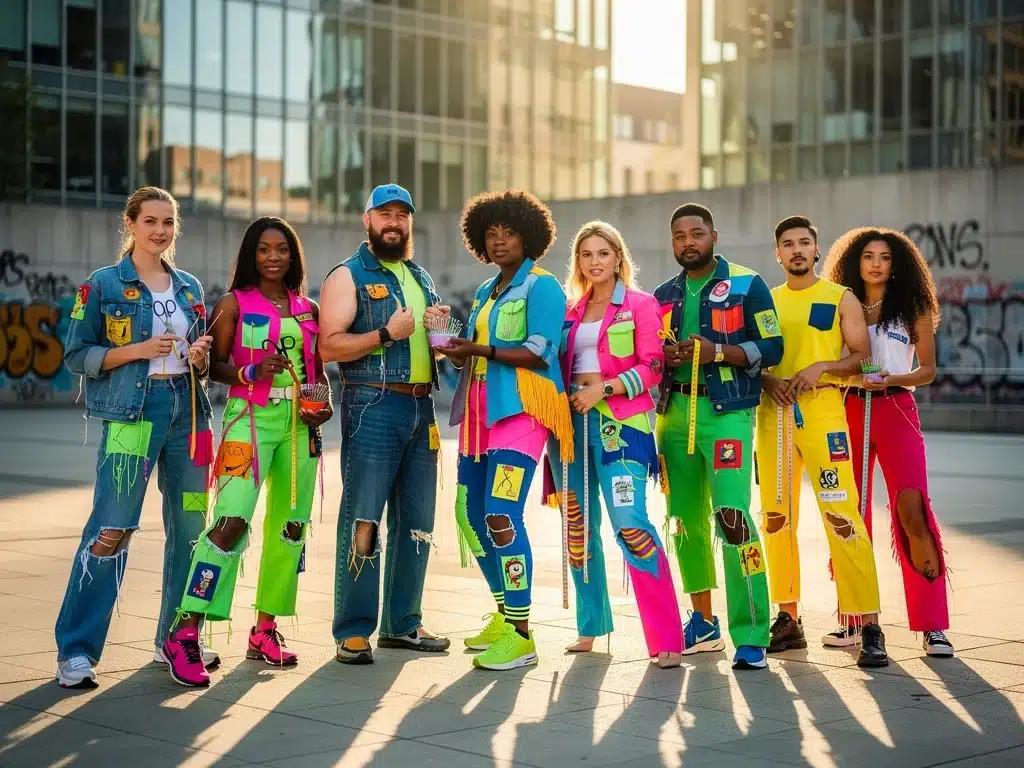
As we approach 2026, a significant shift is sweeping through the industry, positioning upcycling and customization: the next big thing for 2026 fashion enthusiasts. This movement isn’t just a fleeting trend; it represents a profound redefinition of personal style, sustainability, and creative expression in fashion.
the rise of conscious consumption in fashion
The fashion industry has long been criticized for its environmental impact and fast-paced consumption cycles. However, a growing awareness among consumers is driving a demand for more sustainable and ethical practices. This conscious shift is creating fertile ground for upcycling and customization to flourish, offering alternatives to mass-produced garments that often end up in landfills.
Consumers, particularly younger generations, are increasingly prioritizing transparency, ethical sourcing, and environmental responsibility when making purchasing decisions. This heightened awareness is not only influencing buying habits but also inspiring a more hands-on approach to fashion, where creativity and individuality take center stage over fleeting trends.
understanding the sustainability imperative
The urgency to address climate change and resource depletion has made sustainability a core principle in many industries, and fashion is no exception. The traditional linear model of ‘take, make, dispose’ is being challenged by circular economy principles, where materials are kept in use for as long as possible.
- Resource conservation: Upcycling reduces the demand for new raw materials, lessening the environmental footprint associated with their extraction and processing.
- Waste reduction: By transforming discarded items into new garments, upcycling diverts textiles from landfills, mitigating pollution and waste accumulation.
- Lower carbon footprint: Producing new clothes often involves energy-intensive processes. Upcycling typically requires less energy, contributing to lower greenhouse gas emissions.
This commitment to sustainability is not just about environmental benefits; it also resonates deeply with a consumer base that values authenticity and purpose. The narrative behind an upcycled piece – its past life and its present transformation – adds a unique layer of meaning that mass-produced items cannot replicate.
The movement towards conscious consumption extends beyond the environmental. It encompasses social responsibility, fair labor practices, and a rejection of exploitative manufacturing. Upcycling and customization, often performed by small businesses or individuals, inherently support these values by decentralizing production and empowering artisans.
upcycling: transforming the old into the new
Upcycling, at its core, is the creative reuse of discarded items or materials to create products of higher quality or environmental value. In fashion, this means taking existing garments, textiles, or accessories and giving them a new life through redesign, reconstruction, or embellishment. It’s not merely repairing; it’s reinventing.
This process taps into a rich vein of creativity, challenging designers and enthusiasts alike to see potential where others see waste. The results are often one-of-a-kind pieces that carry a story, making them far more compelling than their factory-made counterparts. By 2026, upcycling will be a mainstream practice, celebrated for its innovation and positive impact.
innovative upcycling techniques
The techniques employed in fashion upcycling are diverse, ranging from simple alterations to complex textile manipulations. The beauty lies in the endless possibilities and the freedom to experiment.
- Deconstruction and reconstruction: Taking apart old garments and reassembling them into entirely new designs, often blending elements from multiple pieces.
- Patchwork and appliqué: Adding fabric scraps, patches, or decorative elements to existing clothes to create unique patterns and textures.
- Dyeing and printing: Revitalizing old fabrics with new colors or patterns, using techniques like natural dyes, tie-dye, or screen printing.
- Embellishment: Adorning garments with embroidery, beads, sequins, or other decorative items to elevate their aesthetic appeal.
Beyond these techniques, a new wave of digital tools is also emerging to assist upcyclers. Augmented reality apps can help visualize design changes before cutting, and online communities facilitate the sharing of patterns and ideas. This fusion of traditional craft with modern technology is accelerating the upcycling movement.
The appeal of upcycling extends beyond its environmental credentials. It offers an avenue for personal expression that is deeply satisfying. The act of transforming something old into something new and beautiful is empowering, allowing individuals to participate actively in shaping their wardrobe rather than passively consuming what is offered.
customization: the ultimate expression of self
Customization goes hand-in-hand with upcycling, offering individuals the power to tailor their clothing to their exact preferences and personality. In an era saturated with mass-produced goods, the desire for uniqueness and authenticity has never been stronger. Customization provides the perfect antidote, allowing fashion enthusiasts to stand out rather than blend in.
This trend is about more than just choosing a color or adding a monogram; it’s about co-creating, personalizing, and injecting individual identity into every stitch and seam. By 2026, customization services, both digital and artisanal, will be readily available, making bespoke fashion accessible to a wider audience.
the allure of bespoke fashion experiences
The human desire for individuality is a powerful driver. Customization fulfills this need by offering a sense of ownership and personal connection to one’s garments. This intimate relationship with clothing contrasts sharply with the disposable nature of fast fashion.
- Personal fit: Tailoring garments to an individual’s specific body measurements ensures comfort and a flattering silhouette, a departure from standard sizing.
- Unique design elements: Adding personalized embroidery, patches, paint, or altering silhouettes to reflect personal taste and current mood.
- Storytelling through style: Each customized piece tells a unique story, reflecting the wearer’s journey, values, and creative input.
Technological advancements, such as 3D printing and advanced digital design software, are also making customization more sophisticated and accessible. Imagine designing your own fabric patterns on an app and having them digitally printed onto a garment, or even 3D printing unique embellishments for your jacket. These innovations are lowering the barriers to entry for personalized fashion.
Furthermore, the rise of direct-to-consumer brands and independent designers who specialize in small-batch or made-to-order items is fueling the customization trend. These brands often work closely with customers, offering consultations and design input, creating a truly collaborative process that celebrates individual style.
the intersection of technology and artisanal craft
The future of upcycling and customization in fashion is being shaped by an exciting synergy between age-old artisanal crafts and cutting-edge technology. Far from being mutually exclusive, these two realms are converging to create unprecedented opportunities for creativity, efficiency, and scalability in personalized, sustainable fashion.
Digital tools are not replacing human skill but augmenting it, allowing for more precise designs, faster prototyping, and broader reach for independent creators. This integration ensures that the handcrafted appeal of customized pieces remains, while the processes become more refined and accessible.
digital tools enhancing creative processes
Technology plays a crucial role in expanding the possibilities of upcycling and customization, empowering both designers and consumers.
- AI-powered design: Artificial intelligence can help generate unique patterns, suggest design modifications based on existing garments, or even optimize fabric usage for minimal waste.
- 3D body scanning: For customization, precise 3D body scans allow for perfectly tailored garments, reducing the need for multiple fittings and ensuring an ideal fit.
- Virtual try-on apps: Consumers can visualize how customized or upcycled pieces will look on them before committing, enhancing the shopping experience and reducing returns.
- Digital marketplaces: Online platforms dedicated to upcycled and customized fashion connect artisans with global audiences, fostering a vibrant community and market.
These technological advancements are democratizing fashion, moving it away from a top-down, trend-driven model to a more inclusive, consumer-centric approach. Individuals can now actively participate in the design process, making informed choices about materials, styles, and ethical considerations. The blend of digital precision with handcrafted artistry results in pieces that are both unique and technically refined.
The artisanal aspect, meanwhile, provides the human touch and the narrative depth that consumers crave. Hand-embroidery, natural dyeing, and traditional tailoring techniques add value and character that machines cannot replicate. The collaboration between human ingenuity and technological capability is truly making 2026 a pivotal year for fashion innovation.
economic implications and market opportunities
The rise of upcycling and customization is not just a cultural phenomenon; it also presents significant economic implications and opens up numerous market opportunities. This shift is creating new business models, empowering small entrepreneurs, and challenging the dominance of traditional fast fashion giants.
As consumers increasingly seek unique, sustainable, and ethically produced items, the market for personalized and upcycled fashion is poised for substantial growth. This trend is fostering a more diverse and resilient fashion economy, moving away from centralized production towards localized, demand-driven models.
new business models and revenue streams
The evolving landscape of fashion is giving rise to innovative business approaches that cater to the demand for upcycled and customized goods.
- Upcycling ateliers: Dedicated workshops that specialize in transforming discarded textiles into high-fashion garments, often collaborating with local communities.
- Customization services: Brands offering personalized design options, from bespoke tailoring to custom prints and embellishments, allowing customers to co-create their clothing.
- Resale and consignment platforms: While not strictly upcycling, these platforms facilitate the circular economy by extending the life of garments, often providing opportunities for customization before resale.
- DIY kits and workshops: Empowering consumers to participate in the upcycling and customization process themselves, fostering creativity and reducing waste at a personal level.
These new models are often characterized by their lean operations, focus on ethical practices, and ability to connect directly with consumers. This direct-to-consumer approach not only builds stronger brand loyalty but also allows for greater transparency in the supply chain, a key demand for conscious consumers.
Moreover, the economic benefits extend to job creation in skilled crafts and creative industries. As demand for unique, handcrafted pieces grows, so does the need for artisans, tailors, textile artists, and designers who specialize in these areas. This revitalization of traditional skills, combined with modern business acumen, forms a powerful economic engine for the future of fashion.
the future of personal style and identity
Looking ahead to 2026 and beyond, upcycling and customization are fundamentally reshaping our understanding of personal style and identity. Fashion is moving beyond mere trends to become a powerful medium for self-expression, reflecting individual values, creativity, and a conscious approach to consumption.
The ability to transform and personalize clothing allows individuals to craft a wardrobe that truly represents who they are, rather than conforming to externally imposed ideals. This empowers consumers to become active participants in their fashion journey, fostering a deeper connection with their clothes.
empowering individual expression
Personal style is no longer just about what you wear; it’s about the story behind it, the choices you make, and the values you embody. Upcycling and customization amplify this narrative.
- Authenticity: Customized and upcycled pieces inherently possess a unique story, making them authentic reflections of the wearer’s individuality.
- Ethical alignment: Choosing upcycled or custom-made garments aligns personal style with ethical and sustainable values, making a statement beyond aesthetics.
- Creative freedom: The process of customizing or upcycling allows for unparalleled creative freedom, transforming clothing into a canvas for personal artistry.
- Rejection of fast fashion: Embracing these trends is a conscious defiance of the homogeneity and disposability promoted by fast fashion, asserting individuality through thoughtful choices.
This shift signifies a maturation in how society approaches fashion. It’s less about fleeting fads and more about building a curated, meaningful wardrobe that evolves with the individual. The emotional attachment to a piece that has been personally altered or given a new life is significant, fostering longevity and reducing the impulse for constant new purchases.
Ultimately, upcycling and customization are not just about clothes; they are about a lifestyle. They represent a movement towards a more mindful, creative, and responsible way of engaging with the world, where personal style becomes a powerful tool for self-expression and positive change. The fashion enthusiast of 2026 will be defined by their ingenuity and their commitment to a better future.
| Key Trend | Brief Description |
|---|---|
| Conscious Consumption | Consumers prioritize sustainable and ethical fashion, driving demand for alternatives to fast fashion. |
| Upcycling Innovation | Creative reuse of discarded materials into high-quality, unique garments, reducing waste. |
| Personalized Customization | Tailoring and embellishing clothes to reflect individual style, rejecting mass-produced uniformity. |
| Tech-Artisan Fusion | Digital tools and traditional crafts merge to enhance design, production, and accessibility of unique fashion. |
frequently asked questions about upcycling and customization
Upcycling in fashion involves creatively transforming old garments or materials into new products of higher value or quality, often retaining their original form or narrative. Recycling, conversely, typically breaks down materials to their basic components to create new, often lower-grade, products.
Customization promotes sustainability by increasing the longevity and emotional value of garments. When clothing is tailored to personal preferences, individuals are more likely to care for it and keep it longer, reducing the cycle of disposal and new purchases inherent in fast fashion.
Technology, including AI design tools, 3D body scanning, and virtual try-on apps, enhances both upcycling and customization. It allows for greater precision in design, personalized fits, and broader market reach for artisans, making these practices more accessible and efficient for consumers and creators alike.
Often, upcycled and customized items can be more expensive upfront due to the labor-intensive, artisanal nature of their creation and the unique design involved. However, their higher quality, uniqueness, and increased longevity can offer better long-term value compared to the frequent replacement of cheaper, mass-produced garments.
Beginners can start by experimenting with simple alterations like adding patches, painting designs, or dyeing old clothes. Attending local workshops, watching online tutorials, or joining online communities can provide inspiration and guidance. Starting small with items already in your closet is a great way to build skills and confidence.
conclusion
The trajectory of fashion into 2026 clearly points towards a future where upcycling and customization are not just niche interests but foundational pillars of personal style. This evolution signifies a powerful shift away from the unsustainable practices of the past, embracing a new era of creativity, individuality, and environmental responsibility. Fashion enthusiasts are no longer passive consumers; they are active creators, shaping their wardrobes and making conscious choices that reflect deeper values. As technology continues to merge with artisanal craft, the possibilities for unique, sustainable expression will only expand, solidifying upcycling and customization as the definitive trends of the coming years.
