Streetwear’s Evolving Identity: 4 Key Brands Shaping 2026
Advertisements
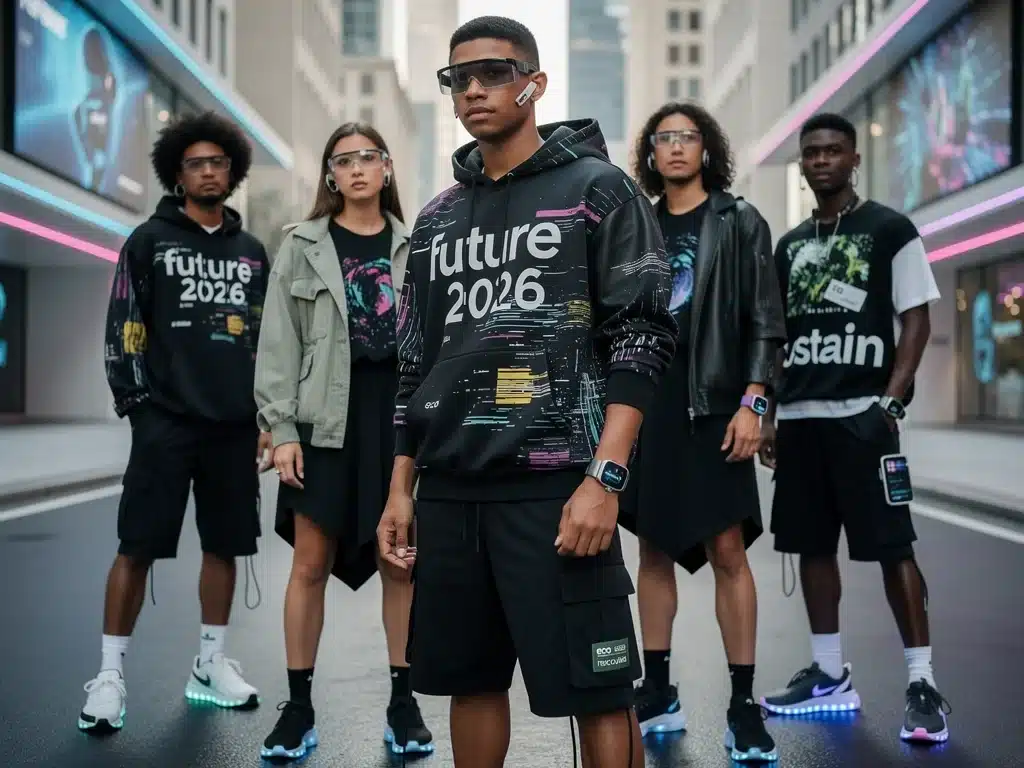
Streetwear’s evolving identity in 2026 is defined by a dynamic blend of sustainability, technological integration, and a profound connection to cultural narratives, with four influential brands leading this transformative movement.
The landscape of fashion is in constant flux, but few segments demonstrate such dynamic evolution as streetwear. In 2026, the concept of streetwear’s evolving identity is more pronounced than ever, transcending mere clothing to become a powerful statement of culture, innovation, and conscious consumerism. This article delves into the transformative forces at play and highlights four pivotal brands that are not just following trends, but actively setting the tone for the future of this influential style.
The metamorphosis of streetwear: more than just clothing
Streetwear, once a niche subculture rooted in skateboarding, surfing, and hip-hop, has exploded into a global phenomenon. Its journey from counter-culture movement to high fashion staple reflects a broader shift in how society views luxury, authenticity, and personal expression. This evolution is far from over, with 2026 marking a period of significant introspection and reinvention for the genre.
The current iteration of streetwear is characterized by a deliberate move away from hype-driven consumerism towards a more thoughtful and impactful approach. Brands are increasingly focusing on narrative-driven collections, sustainable practices, and designs that offer both aesthetic appeal and functional innovation. This maturity signifies a new era where quality, ethics, and storytelling are paramount, rather than just limited edition drops.
Beyond hype: sustainability and purpose
One of the most significant shifts in streetwear is its embrace of sustainability. Consumers are no longer content with fleeting trends; they demand transparency and ethical production. This pressure has propelled brands to innovate with eco-friendly materials and responsible manufacturing processes.
- Eco-conscious materials: The integration of recycled fabrics, organic cotton, and innovative bio-based textiles is becoming standard.
- Circular fashion models: Brands are exploring resale programs, repair services, and designs optimized for longevity to minimize waste.
- Ethical production: Fair labor practices and safe working conditions are increasingly important for brand reputation and consumer trust.
This commitment to purpose extends beyond environmental concerns, encompassing social responsibility and community engagement. Modern streetwear brands often use their platforms to advocate for social justice, support local artists, and foster inclusive communities, further solidifying their evolving identity.
The metamorphosis of streetwear into a more conscious and purpose-driven movement reflects a broader cultural awakening. It’s no longer just about what you wear, but what that clothing represents and how it impacts the world around us. This deep integration of values is a cornerstone of its continuing relevance and growth.
Brand A: pioneering sustainable luxury through innovative textiles
Brand A has emerged as a frontrunner in defining streetwear’s evolving identity by seamlessly blending luxury aesthetics with unparalleled sustainable innovation. Their approach is not merely about using eco-friendly materials; it’s about reimagining the entire production cycle and consumer relationship with fashion. By investing heavily in research and development, Brand A creates textiles that are both environmentally benign and exquisitely tactile.
Their collections often feature garments made from groundbreaking materials like lab-grown vegan leather, upcycled ocean plastics, and textiles derived from agricultural waste. This dedication to material science positions them at the cutting edge of fashion technology, offering consumers guilt-free luxury that doesn’t compromise on style or quality. The brand’s commitment extends to transparent supply chains, allowing customers to trace the origins of their garments.
Reimagining the supply chain
Brand A’s influence stems from its holistic approach to sustainability. They have meticulously redesigned their supply chain to minimize environmental impact at every stage, from raw material sourcing to final product delivery. This includes partnering with ethical manufacturers and utilizing renewable energy sources in their production facilities.
- Local sourcing: Prioritizing local suppliers to reduce carbon footprint and support regional economies.
- Waste reduction: Implementing zero-waste cutting techniques and repurposing textile scraps into new designs.
- Energy efficiency: Investing in renewable energy for manufacturing and distribution operations.
Their success demonstrates that sustainability can be a driver of innovation and desirability, rather than a limitation. By offering products that are both environmentally conscious and aesthetically superior, Brand A appeals to a growing demographic of consumers who seek meaning and responsibility in their purchases. They are setting a new standard for what luxury streetwear can and should be in 2026.
Brand B: cultural storytelling and community empowerment
Brand B stands out for its profound ability to weave cultural narratives and empower communities through its designs, significantly contributing to streetwear’s evolving identity. This brand recognizes that streetwear is inherently tied to identity and collective experience, using its platform to amplify underrepresented voices and celebrate diverse cultural heritages. Their collections are not just clothes; they are canvases for storytelling, rich with symbolism and historical context.
Each drop from Brand B is meticulously curated to reflect specific cultural moments, historical figures, or artistic movements. This approach fosters a deep connection with consumers who see their own experiences and values reflected in the garments. The brand often collaborates with artists, musicians, and local artisans from various backgrounds, ensuring authenticity and providing economic opportunities within these communities.
Authenticity and collaboration
The core of Brand B’s strategy lies in its authentic collaborations and commitment to community upliftment. They don’t simply appropriate cultural elements; they engage in genuine partnerships that respect and credit the origins of their inspirations. This builds a loyal following that values integrity and genuine connection.
- Artist partnerships: Commissioning artists from diverse backgrounds to create unique graphics and patterns.
- Community workshops: Hosting events and workshops that foster creativity and skill development within local communities.
- Fair trade practices: Ensuring that all collaborators and producers receive fair compensation and equitable treatment.
Brand B’s impact goes beyond fashion; it’s about creating a movement that celebrates diversity, fosters creativity, and provides a platform for cultural exchange. Their garments become wearable art, imbued with stories and significance, making them highly coveted pieces for collectors and fashion enthusiasts alike. This brand exemplifies how streetwear can be a powerful tool for social change and cultural preservation in 2026.
Brand C: the convergence of techwear and everyday utility
Brand C is at the forefront of merging high-performance techwear with everyday utility, redefining streetwear’s evolving identity for the urban dweller of 2026. Their philosophy centers on creating garments that are not only aesthetically pleasing but also highly functional, durable, and adaptable to various environments. This brand understands that modern life demands clothing that can keep up with dynamic routines, unpredictable weather, and the need for seamless transitions between different activities.
Their collections feature innovative materials like water-resistant and breathable membranes, temperature-regulating fabrics, and integrated modular systems that allow for customization. Pockets are strategically placed, seams are reinforced, and designs often incorporate elements of transformability, offering multiple ways to wear a single garment. Brand C’s designs are a testament to the idea that form and function can coexist harmoniously, elevating the practical aspects of clothing to an art form.
Smart design and material innovation
The hallmark of Brand C is its relentless pursuit of smart design and material innovation. They meticulously consider every detail, from zipper types to stitching patterns, ensuring maximum performance and longevity. Their research and development team constantly explores new textile technologies to push the boundaries of what clothing can achieve.
- Advanced fabric technology: Utilizing materials that offer UV protection, anti-microbial properties, and enhanced durability.
- Modular systems: Designing garments with detachable components and interchangeable layers for versatility.
- Ergonomic construction: Crafting pieces that move with the body, providing comfort and unrestricted mobility.
Brand C’s influence is evident in the growing demand for utilitarian yet stylish streetwear. They have successfully bridged the gap between highly specialized outdoor gear and mainstream urban fashion, making technical apparel accessible and desirable for a broader audience. This brand is shaping the future of practical fashion, proving that high performance can be a core component of streetwear’s appeal in 2026.
Brand D: luxury streetwear’s elevated aesthetic and exclusivity
Brand D is instrumental in shaping streetwear’s evolving identity by elevating its aesthetic to unprecedented levels of luxury and maintaining a coveted sense of exclusivity. This brand has mastered the art of creating aspirational pieces that blend streetwear’s casual cool with the refined craftsmanship and meticulous attention to detail typically associated with high fashion. Their collections are characterized by minimalist designs, premium materials, and subtle branding that speaks volumes without overt display.
The brand’s strategy revolves around limited edition drops, strategic collaborations, and a strong emphasis on brand narrative, cultivating a dedicated following that values scarcity and artistic integrity. Each garment is treated as a work of art, often produced in small batches to ensure quality and maintain a high level of desirability. This approach reinforces the idea that true luxury lies in thoughtful design and exceptional execution, rather than mass production.
Craftsmanship and curated experiences
Brand D’s success is built upon a foundation of unparalleled craftsmanship and the creation of curated brand experiences. They often host exclusive events, pop-up installations, and digital activations that engage their audience on a deeper level, transforming a purchase into a memorable interaction.
- Premium materials: Sourcing the finest silks, leathers, and custom-milled fabrics for superior quality and feel.
- Limited editions: Releasing highly anticipated, scarce collections that generate significant demand and maintain exclusivity.
- Artistic collaborations: Partnering with renowned artists and designers to infuse unique perspectives into their collections.
By focusing on exceptional quality, thoughtful design, and a carefully controlled distribution, Brand D has carved out a unique space within the luxury market. They prove that streetwear can command premium prices and be considered a legitimate form of high fashion, offering discerning consumers a sophisticated yet rebellious alternative to traditional luxury brands. Brand D is defining the apex of luxury streetwear in 2026, where understated elegance meets urban edge.
The future trajectory of streetwear: innovation and inclusivity
The trajectory of streetwear into 2026 and beyond is marked by a continuous drive towards innovation and inclusivity. The four brands highlighted exemplify how the genre is moving past its foundational elements to embrace a more complex and multifaceted identity. This future will see an even greater fusion of technology, sustainability, and cultural relevance, pushing the boundaries of traditional fashion norms.
We can expect to see further advancements in smart textiles, garments that adapt to environmental changes, and even more personalized shopping experiences driven by AI. The emphasis on ethical production will intensify, with brands striving for full transparency and circularity in their operations. Moreover, streetwear will continue to be a powerful vehicle for social commentary and cultural expression, evolving with the communities it represents.
Embracing digital and physical convergence
The future of streetwear will also heavily involve the convergence of digital and physical realms. NFTs, metaverse fashion, and augmented reality try-ons are already becoming part of the landscape, offering new avenues for creativity, ownership, and brand interaction.
- Digital wearables: The rise of virtual clothing for avatars and digital identities, blurring lines between real and virtual fashion.
- AR try-ons: Enhanced augmented reality tools for virtual fitting rooms, improving online shopping experiences.
- NFT collections: Exclusive digital assets tied to physical garments, offering unique ownership and community benefits.
This dynamic interplay between innovation and inclusivity ensures that streetwear remains at the forefront of fashion, constantly adapting and reinventing itself. It will continue to challenge conventions, celebrate diversity, and offer a powerful form of self-expression, solidifying its role as a pivotal force in global culture for years to come. The brands leading this charge are not just selling clothes; they are selling a vision of the future, accessible and empowering to many.
| Key Aspect | Description |
|---|---|
| Sustainable Innovation | Brands are prioritizing eco-friendly materials and circular fashion to reduce environmental impact. |
| Cultural Storytelling | Streetwear brands are increasingly using designs to amplify diverse cultural narratives and empower communities. |
| Techwear Integration | Functional and durable designs using advanced materials are blending high-performance with everyday utility. |
| Luxury & Exclusivity | Elevated aesthetics, premium craftsmanship, and limited editions define a new era of luxury streetwear. |
Frequently asked questions about streetwear’s future
Sustainability is profoundly impacting streetwear by driving innovation in eco-friendly materials, promoting circular fashion models, and emphasizing ethical production. Brands are increasingly transparent, moving away from fast fashion to offer durable, responsibly made garments that resonate with conscious consumers.
Technology is crucial, integrating smart textiles, performance-enhancing features, and digital experiences such as AR try-ons and NFTs. This convergence enhances functionality, offers new avenues for interaction, and expands the concept of fashion beyond physical garments into the digital realm.
Cultural narratives are incorporated through collaborations with diverse artists, storytelling within collections, and designs that celebrate specific cultural moments or heritages. This approach fosters authenticity, empowers communities, and allows streetwear to serve as a powerful medium for social and cultural expression.
Luxury streetwear in 2026 is defined by elevated aesthetics, premium materials, exceptional craftsmanship, and a strong sense of exclusivity. Brands focus on limited edition drops and curated experiences, offering high-quality, thoughtfully designed pieces that blend urban style with traditional luxury standards.
Yes, streetwear is expected to maintain and even increase its relevance. Its adaptability, commitment to innovation, and ability to reflect contemporary culture ensure its enduring appeal. By embracing sustainability, technology, and inclusivity, streetwear continues to evolve, remaining a dominant force in global fashion.
Conclusion: streetwear’s enduring influence
The journey of streetwear, from its humble beginnings to its current status as a global fashion powerhouse, is a testament to its adaptability and resonant cultural power. In 2026, streetwear’s evolving identity is more dynamic and meaningful than ever, driven by brands that prioritize sustainability, cultural storytelling, technological integration, and elevated luxury. These brands are not just selling clothes; they are selling a vision of a more conscious, connected, and innovative future. As consumer values continue to shift towards authenticity and purpose, streetwear is perfectly positioned to remain a dominant and transformative force in the fashion industry for years to come.
