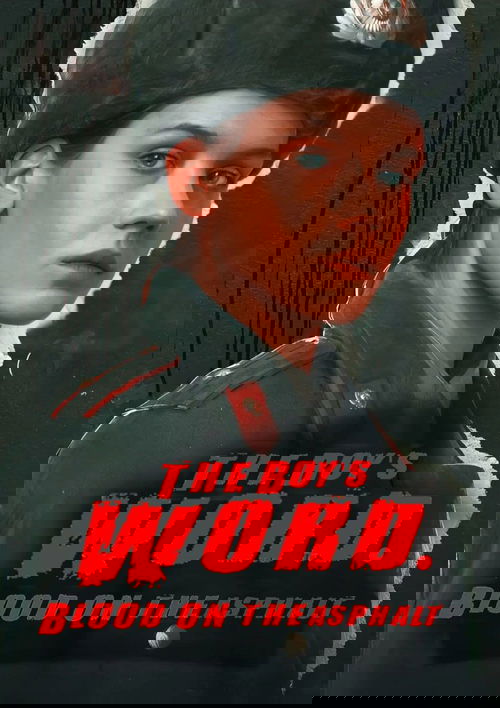
The Boy’s Word: Blood on the Asphalt
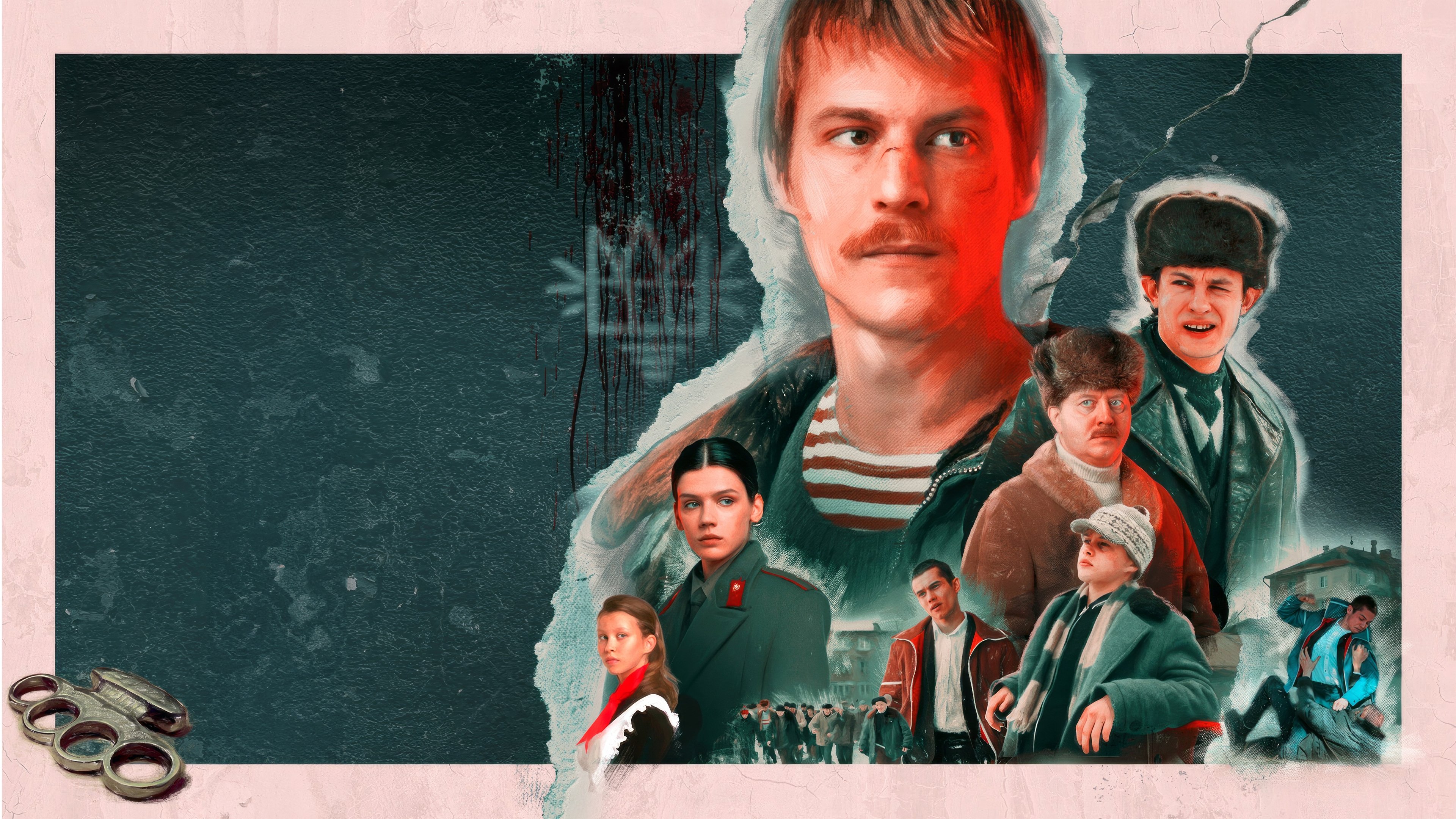
In the late 1980s, when “perestroika” was taking place in the USSR and the era of the Soviet Union was about to collapse, life became unstable and very different. The 1980s brought not only freedom, but also waves of crime on the city streets. While some young people began to ‘grow up’ on the streets, others found it difficult to find their place in this unpredictable reality. Andrey, lives with his mother and five-year-old sister. He studies at a music school and often encounters street teenagers who harass him. To protect himself, Andrey makes friends with one of these teenagers, Marat, who introduces him to gang life. Youth groups fight for every piece of territory; they defend their right to live the life, even breaking laws and promises. The only thing that matters to them is the vows they make to their gang members-brothers, with whom they confront the violence and fears of the adult world.
Episodes

Episode 1
A step outside. Quiet 14-year-old Andrei meets kids who are far from his circle. With them behind him, no school…
Episode 2
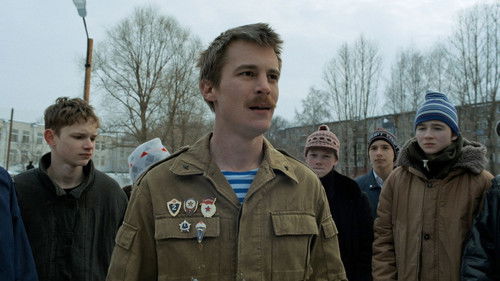
A completely different disco. Marat's brother returns from military service. The world has changed, and Vova's plans extend far beyond…

Episode 3
One fist is a threat, but ten is trouble. Someone has to answer for the fate of one of the…

Episode 4
Just like in the movies. Marat and his friends rescue Vova from the hospital and buy themselves some time to…

Episode 5
Honest business. Andrei's new idea attracts the attention of the streets, which see everything. But even under their strict supervision,…

Episode 6
The streets are unforgiving. Vova, Marat, and Zima conceal the details of their meeting with the Dombytovs, as the consequences…
Episode 7
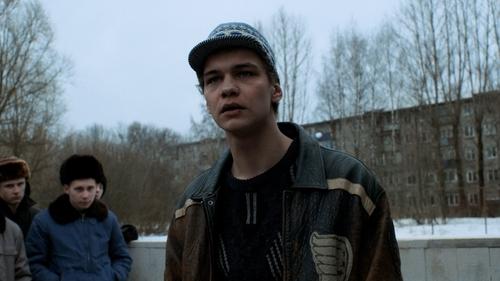
Andrei is looking for ways to protect his family. Punishment is already hot on Vova's heels, but there is still…
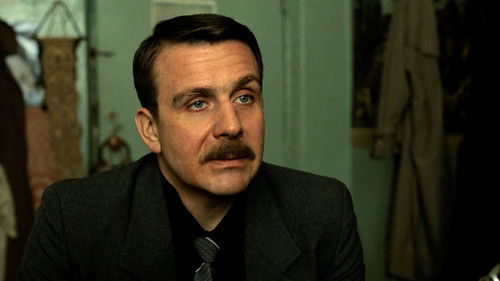
Episode 8
Some gave up, some gave in. To move forward, you have to leave the streets behind. But once you give…









ORAMACAST.COM Review
“The Boy’s Word: Blood on the Asphalt” arrives not as a mere crime drama, but as a visceral excavation of a society in freefall. This 2023 series uses the crumbling edifice of late 1980s Soviet Union as more than just a backdrop; it’s a living, breathing character that molds and devours its young. The narrative, centered on Andrey’s reluctant descent into gang life, masterfully articulates how instability breeds its own brutal codes.
What truly elevates this series is its unapologetic gaze at the moral ambiguity of survival. The direction, often relying on stark, unflinching close-ups and a handheld immediacy, thrusts the viewer into the chaotic heart of Kazan. It’s a deliberate choice that eschews glamor, instead emphasizing the grim reality of these “brotherhoods.” The screenplay, while occasionally leaning into familiar tropes of initiation and betrayal, largely maintains a compelling tension, especially in its portrayal of the shifting loyalties and the hollow promises of street power. The dialogue crackles with a raw authenticity, reflecting the desperation and a twisted sense of honor prevalent in a world where the state has abdicated its role.
Performances are uniformly strong, particularly from Ruzil Minekaev and Leon Kemstach, who embody the conflicting innocence and hardened pragmatism of youth caught in a brutal current. Their evolving dynamic, from hesitant camaraderie to tragic rivalry, forms the emotional core. However, the series sometimes struggles with pacing, particularly in the mid-section where some subplots feel stretched, momentarily diluting the narrative’s fierce momentum. While the cinematography effectively captures the desolate grandeur of a decaying empire, there are moments where the visual palette could have been more inventive, opting for a functional realism that, while effective, occasionally misses opportunities for deeper symbolic resonance.
Ultimately, “The Boy’s Word” is a powerful, albeit bleak, commentary on the human cost of systemic collapse. It challenges us to look beyond simplistic notions of good and evil, forcing an uncomfortable reflection on how circumstances can forge individuals into weapons. It’s a tough watch, but a necessary one, demanding engagement with its complex portrayal of desperation and the pursuit of belonging in a world devoid of anchors. This isn't entertainment; it's a stark mirror held up to a specific historical moment, reflecting universal truths about power, vulnerability, and the enduring, often destructive, search for identity.