Episodes
Episode 1
Episode 2
Episode 3
Episode 4
Episode 5
Episode 6









ORAMACAST.COM Review
"Portobello," the 2026 limited series, attempts to re-examine the tragic downfall of Enzo Tortora, a narrative ripe for cinematic exploration. The premise, an innocent man’s odyssey from the heights of success to the abyss of injustice, is undeniably compelling. Yet, what emerges is a series that, while occasionally brilliant in its individual brushstrokes, struggles to coalesce into a truly profound artistic statement.
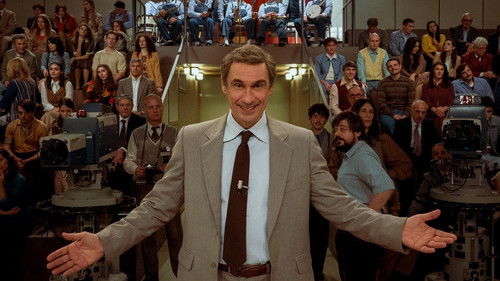
Fabrizio Gifuni’s portrayal of Tortora is, without question, the pulsating heart of this production. He navigates the character's descent with a nuanced vulnerability that transcends mere imitation; we witness not just a man accused, but a spirit slowly eroded. The opening scene, Tortora’s arrest in his hotel room, benefits immensely from Gifuni’s controlled panic, a masterclass in understated terror. Lino Musella and Romana Maggiora Vergano offer commendable support, grounding the dramatic tension with their own well-calibrated performances.
However, the series’ direction, while often stylish, sometimes sacrifices narrative coherence for aesthetic flourish. There are moments of stunning cinematography, particularly in the stark, almost monochromatic depictions of the legal proceedings, which effectively convey a sense of oppressive inevitability. But the screenplay, at times, falls prey to an uneven pacing, rushing through crucial emotional beats only to linger on less impactful subplots. The six-episode structure, while allowing for a detailed unfolding, occasionally feels stretched, diluting the sharp edges of Tortora's suffering. The dramatic weight of his "tragic downfall" is diluted when the storytelling meanders, preventing the sustained emotional impact one would expect from such a visceral injustice.
"Portobello" is a series that respects its subject matter, yet it occasionally falters in translating that respect into consistently powerful storytelling. It offers moments of genuine artistic merit, largely thanks to its lead, but ultimately leaves one wishing for a more rigorously disciplined narrative that could truly elevate this important historical tragedy into timeless art.