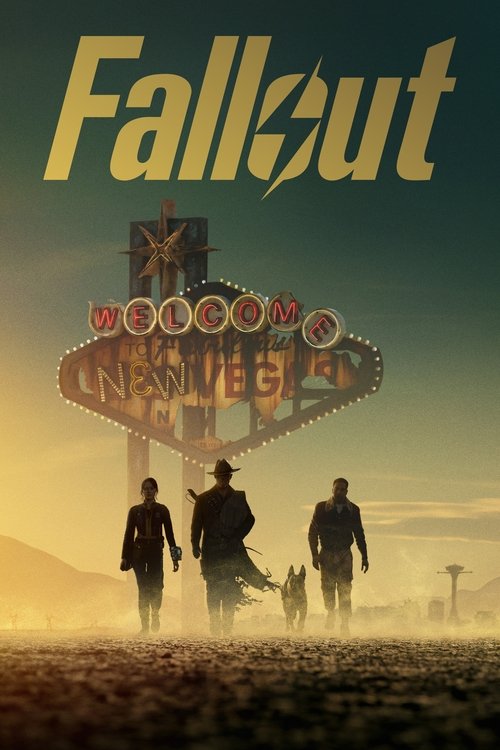
Fallout
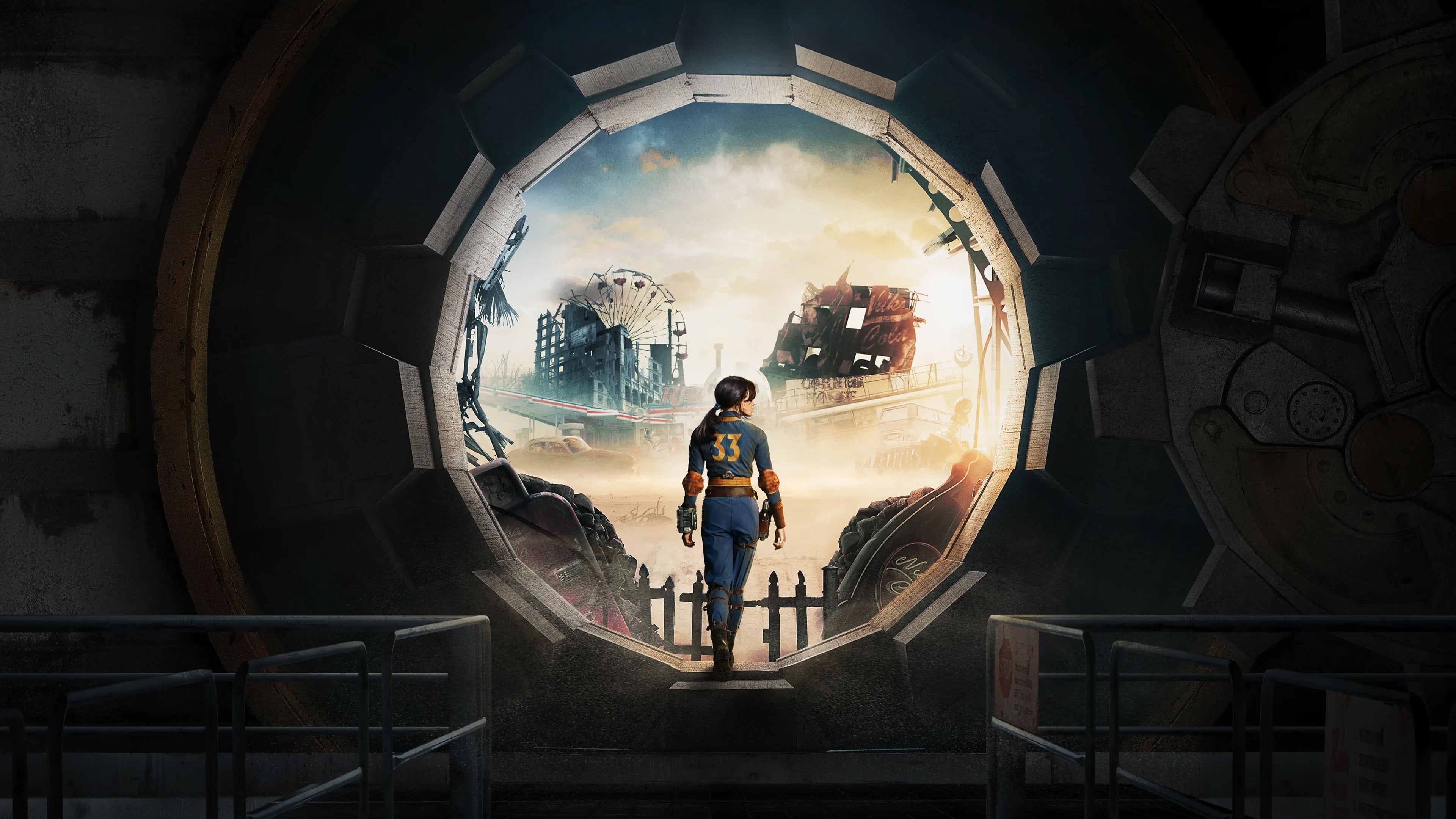
The story of haves and have-nots in a world in which there’s almost nothing left to have. 200 years after the apocalypse, the gentle denizens of luxury fallout shelters are forced to return to the irradiated hellscape their ancestors left behind — and are shocked to discover an incredibly complex, gleefully weird, and highly violent universe waiting for them.
Episodes
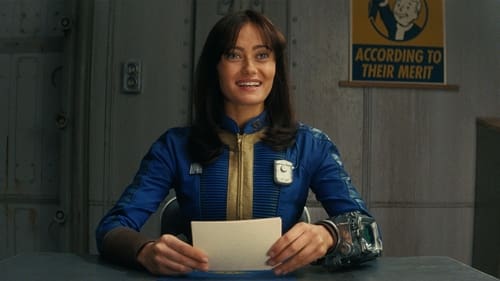
The End
Okey dokey...
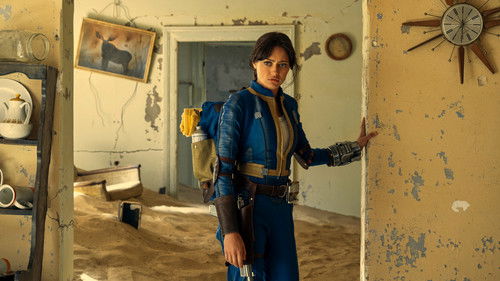
The Target
I know life can't have been easy up here...
The Head
The Wasteland's got its own Golden Rule...
The Ghouls
Death to Management.
The Past
Everyone wants to save the world...
The Trap
What happens when the ranchers have more power than the Sheriff?
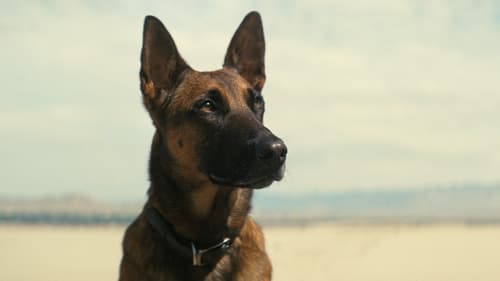
The Radio
Every generation has their own dumbass ideas...
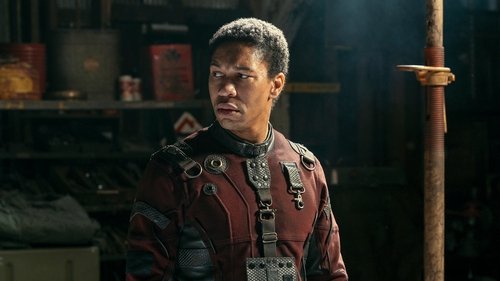
The Beginning
War...
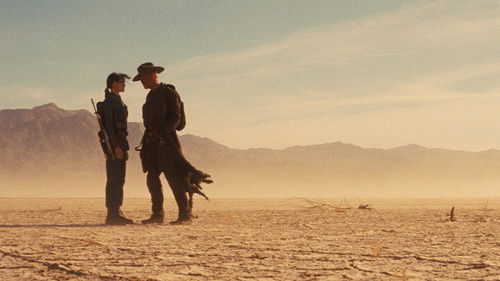
The Innovator
Every dollar spent is a vote cast.
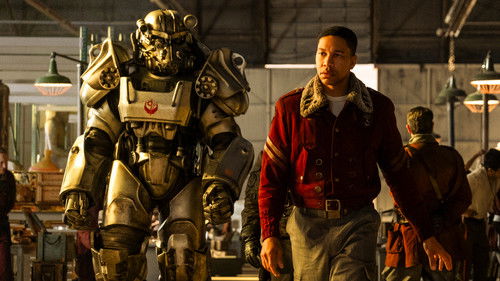
The Golden Rule
You can't put a price on family…
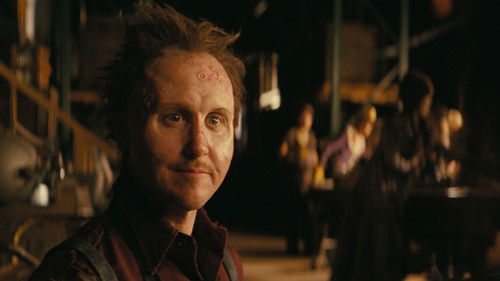
The Profligate
Most kids are dead by this age.
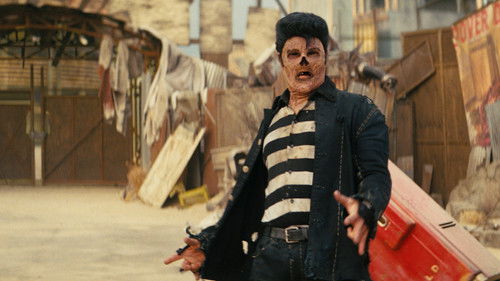
The Demon in the Snow
Rock to spear and so on...
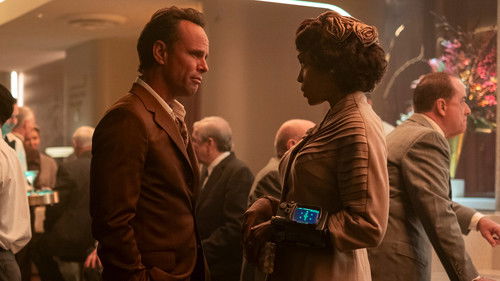
The Wrangler
Big Whoop.
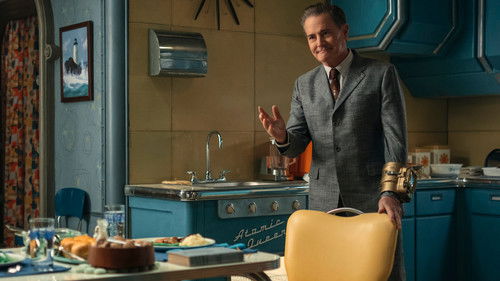
The Other Player
I remember good people.
The Handoff
You always end up back where you started.
The Strip
Winning might be overrated...
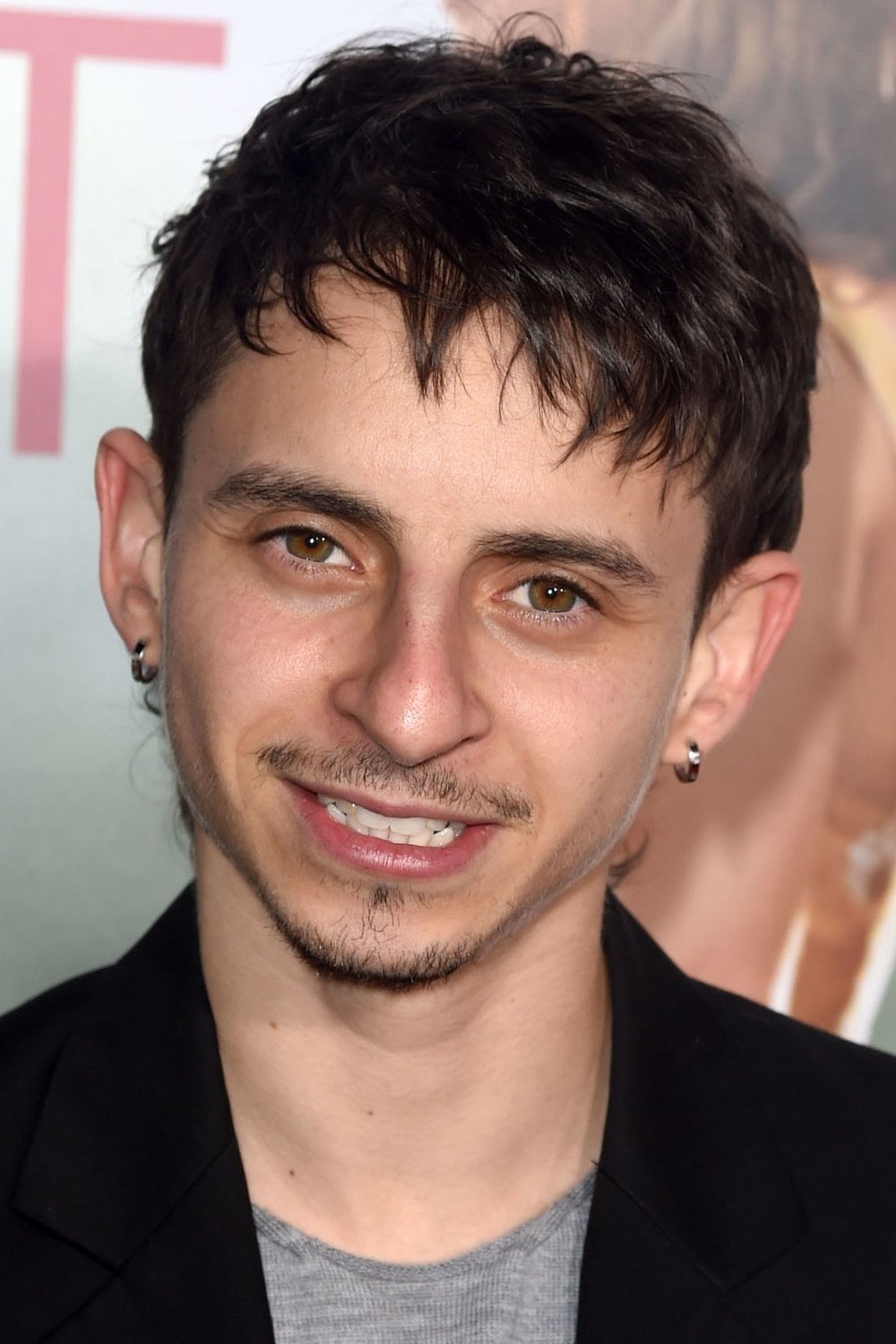
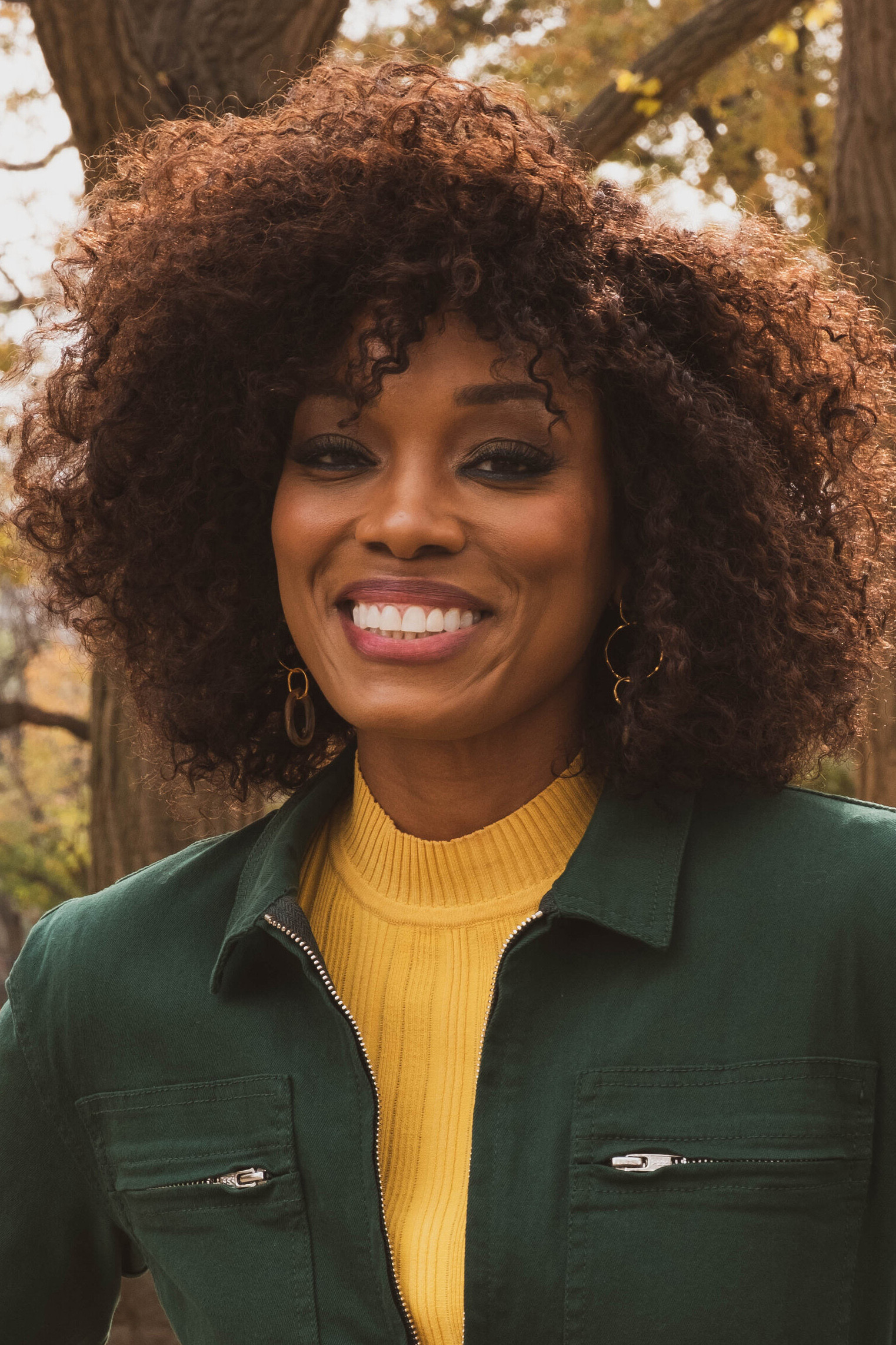
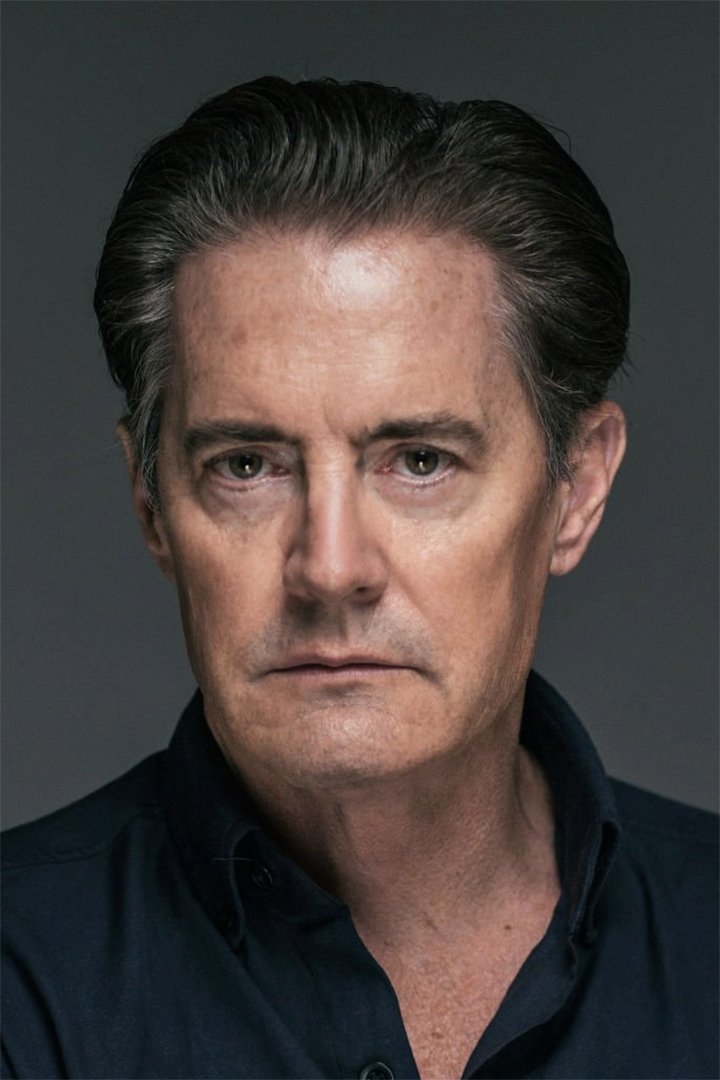
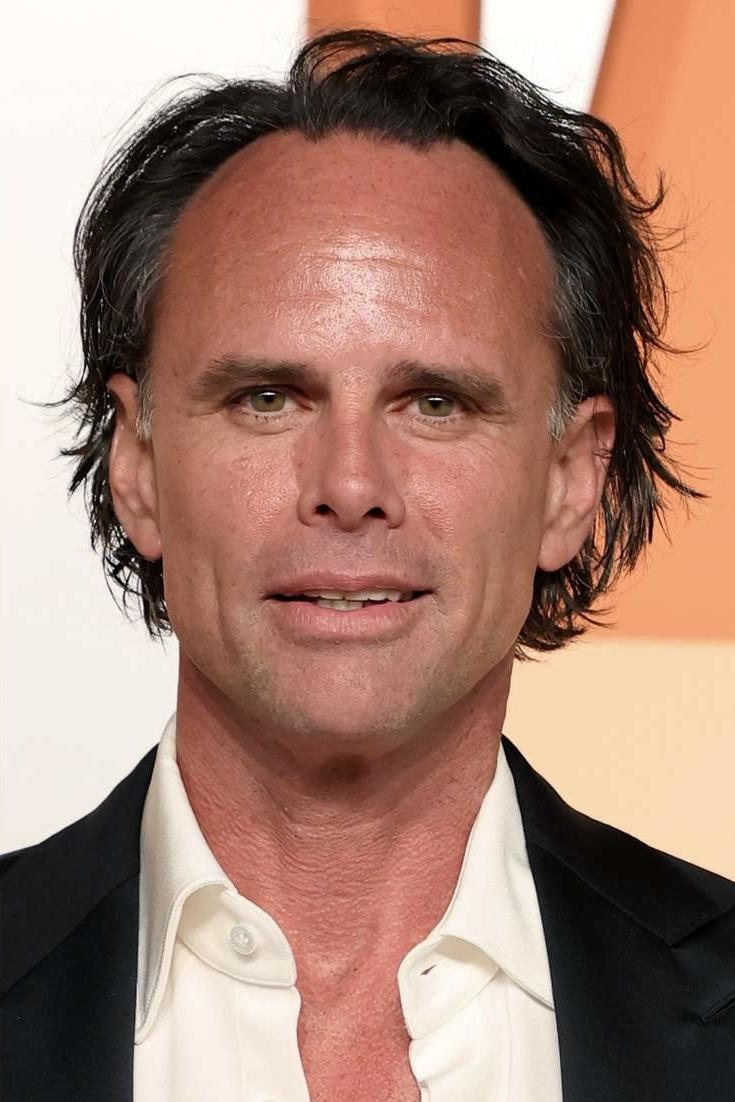
Where to watch


ORAMACAST.COM Review
The post-apocalyptic landscape, a well-trodden wasteland in cinema, finds a surprisingly fresh, albeit uneven, excavation in Amazon Prime’s *Fallout*. This series, inspired by the beloved game franchise, attempts to marry the bleakness of societal collapse with a darkly comedic, almost absurdist, sensibility. And for the most part, it succeeds in carving out its own irradiated niche.
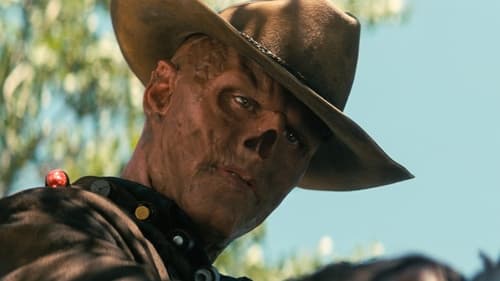
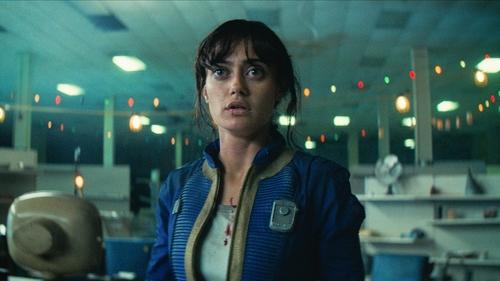
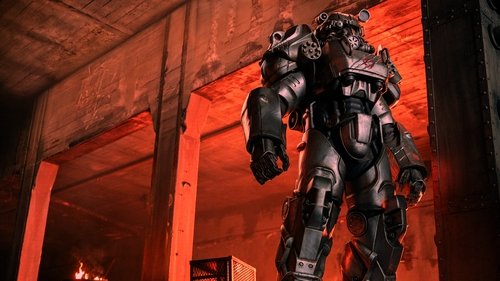
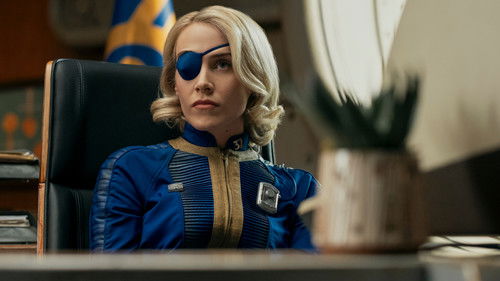
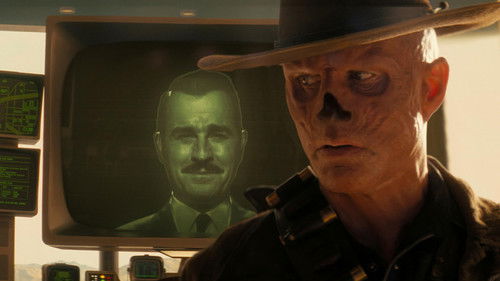
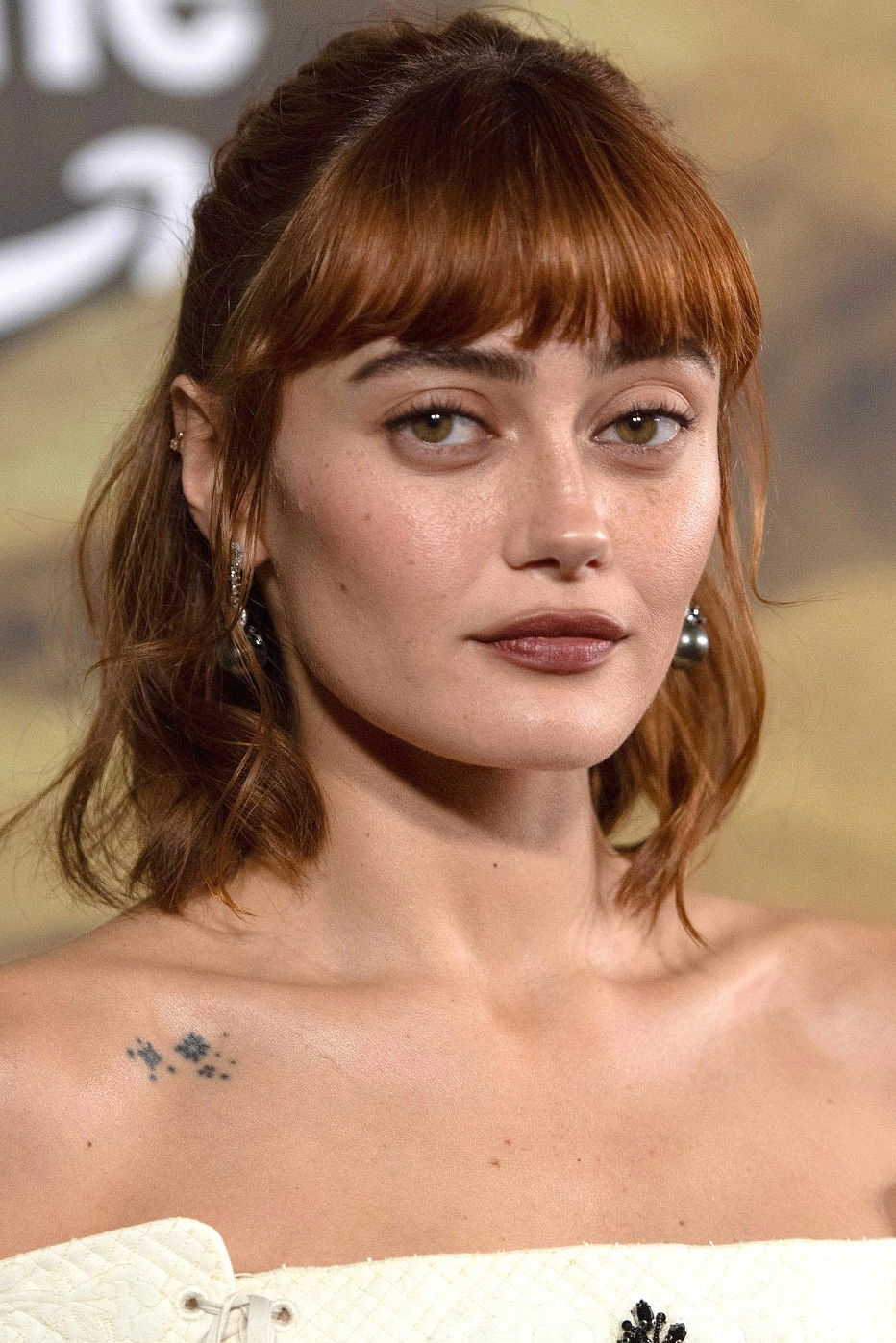
The core strength of *Fallout* lies in its visual storytelling and meticulous world-building. The production design is a character in itself, lovingly recreating the retro-futuristic aesthetic of the games while imbuing it with a tangible grime and decay. The direction, often kinetic and vibrant, navigates the chaotic violence with a surprising lightness, never shying from the brutality but framing it with a sardonic wink. Ella Purnell’s performance as Lucy, the vault dweller thrust into this bizarre world, is a masterclass in wide-eyed innocence confronting grotesque reality. She anchors the narrative, her naiveté acting as a crucial lens through which we experience the gleefully weird and highly violent universe. Walton Goggins, as the Ghoul, is a scene-stealing force, his gravelly voice and scarred visage embodying the series’ cynical heart.
However, the screenplay, while often witty and inventive, occasionally stumbles into narrative conveniences. The "haves and have-nots" theme, while explicitly stated, sometimes feels like a superficial overlay rather than a deeply integrated critique. Certain plot developments feel rushed, sacrificing nuanced character development for frenetic pacing. While the series revels in its intricate mythology, there are moments where it feels like it’s checking boxes for fans rather than truly innovating. The ensemble, while strong, isn't always given equal weight, leaving some characters feeling underdeveloped by the end of the first season.
Ultimately, *Fallout* is a vibrant, audacious spectacle. It’s a series that understands its source material deeply but isn’t afraid to twist it into something new. While it occasionally prioritizes style over substance, its sheer audacity, compelling performances, and immersive world make it a journey worth undertaking. It’s not just entertainment; it’s a bold artistic statement about survival, morality, and the enduring absurdity of humanity, even after the bombs fall.