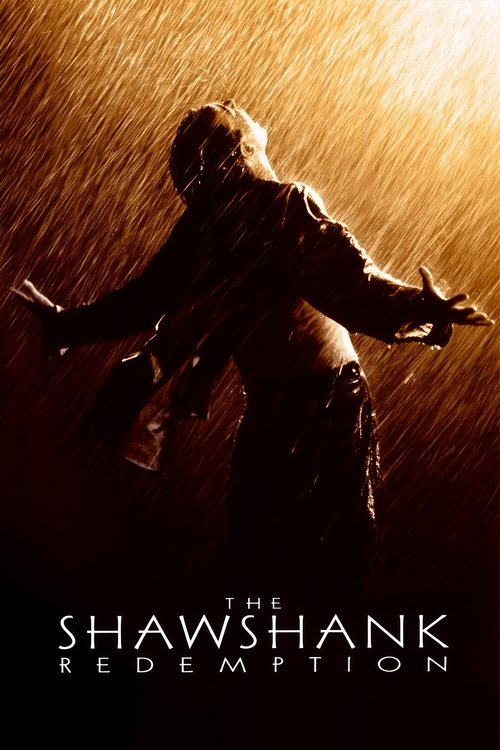
The Shawshank Redemption
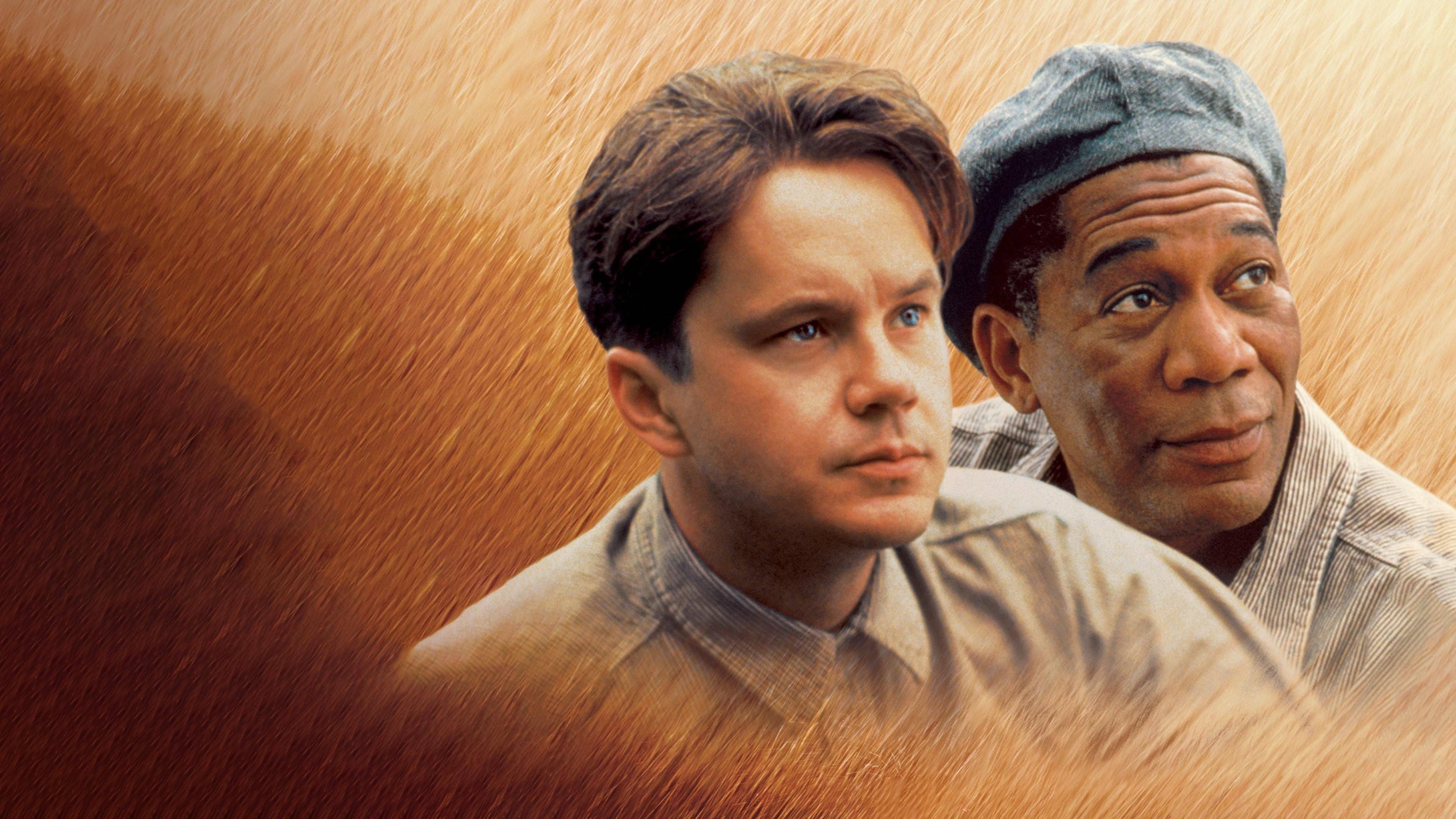
Imprisoned in the 1940s for the double murder of his wife and her lover, upstanding banker Andy Dufresne begins a new life at the Shawshank prison, where he puts his accounting skills to work for an amoral warden. During his long stretch in prison, Dufresne comes to be admired by the other inmates — including an older prisoner named Red — for his integrity and unquenchable sense of hope.










Where to watch


ORAMACAST.COM Review
Frank Darabont’s "The Shawshank Redemption" often appears on lists of “greatest films,” a testament to its enduring emotional resonance. Yet, to merely label it a feel-good prison drama is to overlook the meticulous craft beneath its comforting surface, and indeed, some of its narrative compromises.
At its core, the film is a masterclass in narrative patience. Darabont, adapting Stephen King, understands that true transformation isn't instantaneous but a slow burn, much like Andy Dufresne’s 19-year incarceration. The direction is remarkably understated, allowing the stark reality of Shawshank to breathe without resorting to gratuitous exploitation. Roger Deakins' cinematography, in particular, elevates the mundane brutality of prison life into something almost poetic – the harsh light of the cell blocks, the fleeting moments of sun in the yard, all meticulously framed to emphasize both confinement and the persistent flicker of hope. Tim Robbins’ performance as Andy is a delicate tightrope walk. He embodies an almost superhuman inner fortitude, communicating volumes with quiet resolve. It's a performance less about grand gestures and more about the unwavering glint in his eye. Morgan Freeman’s Red, the film’s narrator, provides the necessary human anchor, his voice a balm that guides us through the moral murkiness.
However, the film, for all its artistic merits, occasionally leans into a certain narrative tidiness that, while satisfying, feels a touch too convenient for the grim reality it depicts. The villains, particularly Warden Norton, are painted in broad, almost cartoonish strokes of evil, lacking the nuanced complexity that could have deepened the film’s exploration of institutional corruption. This simplification, while effective for dramatic impact, slightly diminishes the film’s potential as a truly unflinching examination of justice and redemption. The final act, while undeniably cathartic, ties up loose ends a little too neatly, arguably sacrificing some of the raw, unpredictable edge that true art often embraces.
Ultimately, "The Shawshank Redemption" remains a powerful testament to the human spirit’s resilience. It’s a film that earns its emotional payoff, even if it occasionally chooses the path of least narrative resistance. It’s a beautifully shot, superbly acted piece of cinema that speaks to the enduring power of hope, even when the walls seem insurmountable.