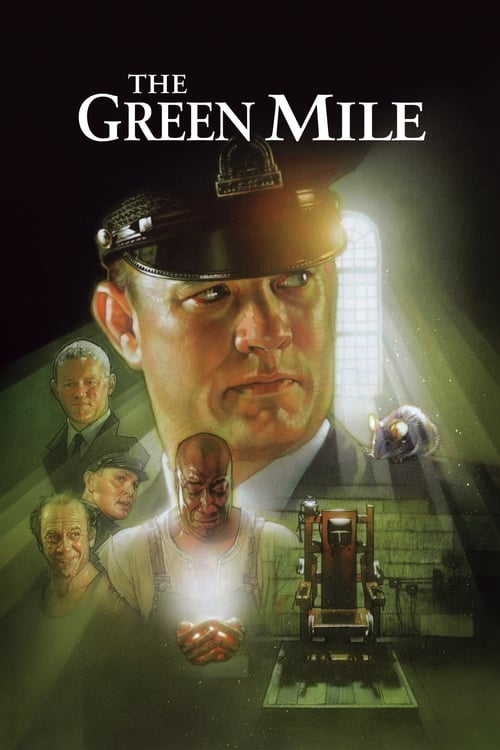
The Green Mile
A supernatural tale set on death row in a Southern prison, where gentle giant John Coffey possesses the mysterious power to heal people’s ailments. When the cell block’s head guard, Paul Edgecomb, recognizes Coffey’s miraculous gift, he tries desperately to help stave off the condemned man’s execution.









Where to watch


ORAMACAST.COM Review
Frank Darabont’s cinematic adaptation of Stephen King’s *The Green Mile* is an ambitious undertaking, a nearly three-hour meditation on justice, faith, and the inherent cruelty of man, all set within the claustrophobic confines of a death row prison. It’s a film that demands your emotional investment, and largely, it earns it, albeit with a few narrative stumbles that prevent it from achieving true transcendence.
Darabont’s direction here is a masterclass in controlled pacing. He allows the story to unfurl with a deliberate, almost mournful rhythm, mirroring the slow march towards execution. The cinematography, though often bathed in a sepia-toned warmth, subtly underscores the grim reality of the setting; the "Green Mile" itself is less a pathway than a tunnel, leading inexorably to an end. This visual language elevates what could have been a simplistic melodrama into something more reflective.
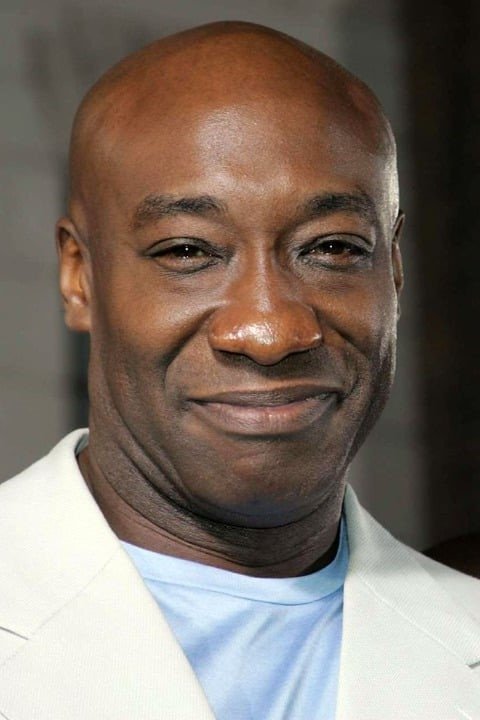
The performances are the film’s undeniable anchor. Tom Hanks, as Paul Edgecomb, embodies a quiet decency, his moral compass unwavering even as his faith is tested. But it is Michael Clarke Duncan’s John Coffey who truly resonates. Duncan crafts a character of immense power and heartbreaking vulnerability, a gentle giant whose supernatural gift is both a blessing and a curse. His portrayal is a nuanced study of innocent suffering, making the viewer question the very nature of justice.
However, the film isn't without its flaws. While the fantastical elements are central to the narrative, they occasionally veer into sentimentality, particularly in the more overt depictions of Coffey’s powers. The narrative’s episodic structure, while effective in developing individual character arcs, can at times feel a little disjointed, stretching the film’s already considerable runtime. Some supporting characters, particularly the more villainous ones, are drawn with a broadness that borders on caricature, undermining the otherwise sophisticated emotional landscape.
Ultimately, *The Green Mile* is a powerful, if imperfect, cinematic experience. It confronts difficult questions about morality and redemption, forcing us to look beyond the bars and see the humanity and inhumanity within. Despite its occasional over-earnestness, it remains a compelling piece of filmmaking that lingers long after the credits roll, a testament to Darabont’s ability to craft narratives that, for all their fantastical elements, feel deeply, painfully real.