



Where to watch


ORAMACAST.COM Review
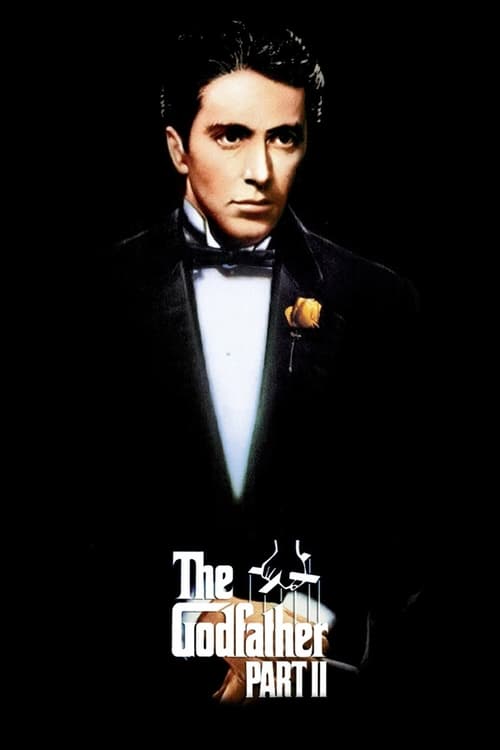
Francis Ford Coppola’s *The Godfather Part II* is not merely a sequel; it is a profound meditation on the corrosive nature of power and the elusive American Dream, a cinematic diptych that dares to dissect the very soul of its predecessor. Its 202-minute runtime isn't an indulgence but a necessity, allowing for a narrative architecture so ambitious it still dwarfs most contemporary epics.
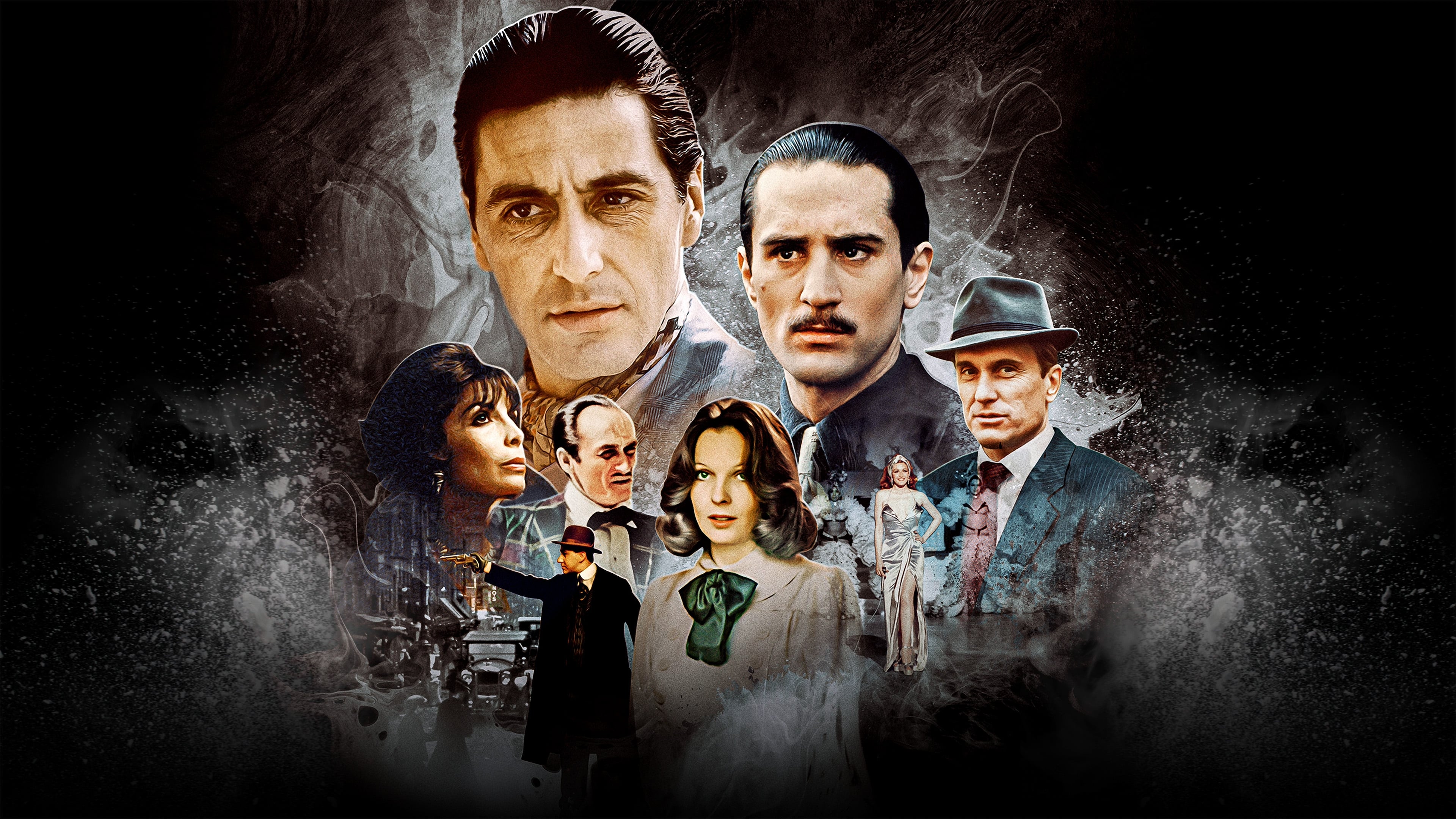
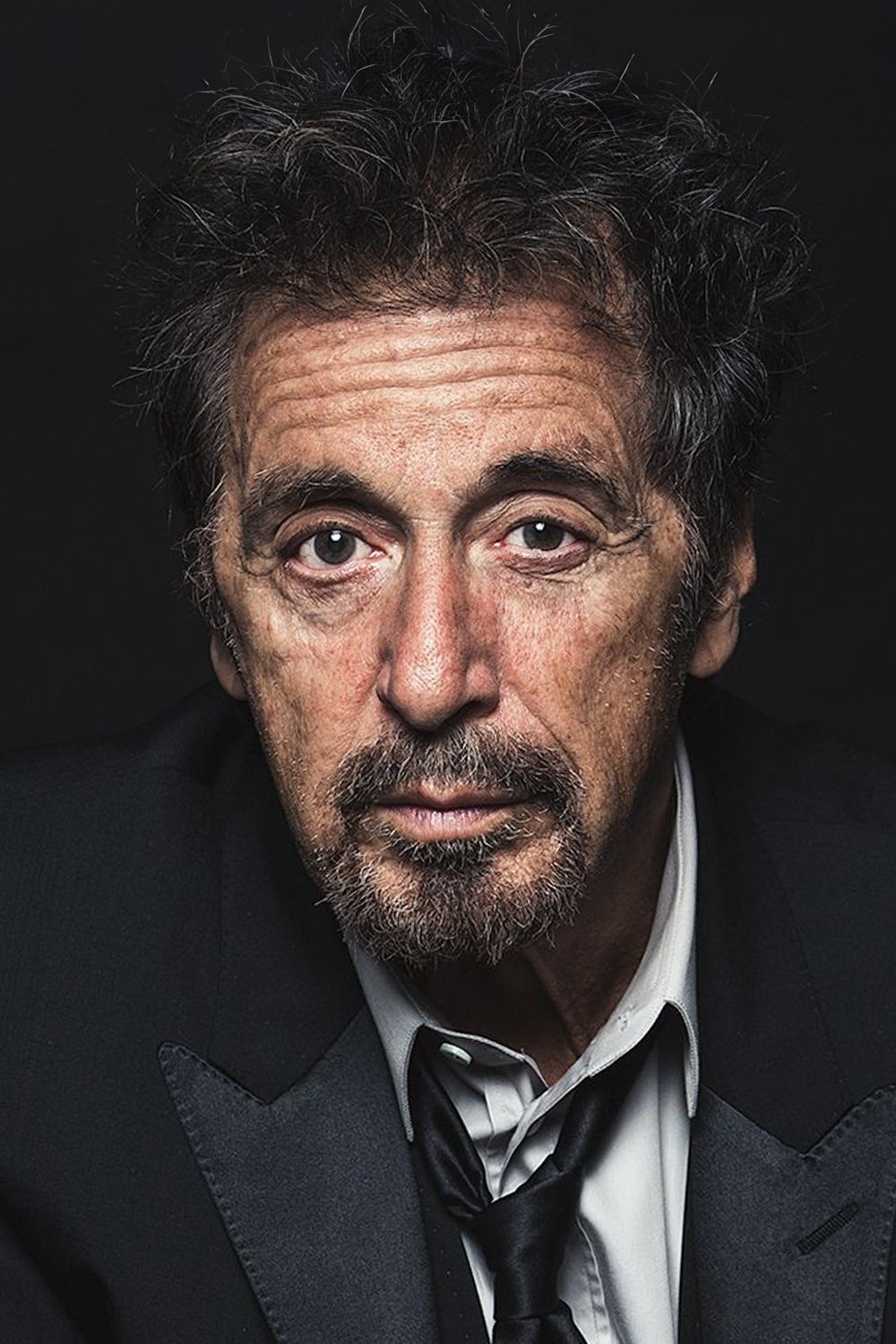
Coppola’s genius here lies in his parallel storytelling, weaving young Vito Corleone’s ascent from Sicilian orphan to New York kingpin with Michael Corleone’s descent into ruthless isolation. This structural choice isn’t just clever; it’s a devastating commentary. We witness Vito (De Niro, embodying a quiet, formidable hunger) building an empire on a code of honor, however twisted, while Michael (Pacino, a masterclass in glacial despair) dismantles it, brick by familial brick, in his pursuit of legitimacy. Pacino’s performance is particularly chilling; he doesn’t just play a powerful man, he plays a man consumed, his eyes hollowed out by the very ambition he inherited.
Gordon Willis's cinematography remains a character in itself, using shadow and light not just for mood, but to delineate moral decay. The sun-drenched vibrancy of the Cuban scenes contrasts sharply with the somber, almost funereal tones of Lake Tahoe, mirroring Michael’s internal landscape. Yet, for all its artistic bravado, the film occasionally falters in its pacing. The sheer scope, while admirable, sometimes threatens to overwhelm, particularly in the mid-section where the weight of Michael’s political machinations can feel a tad dense, momentarily sacrificing emotional resonance for narrative expansion. Diane Keaton’s Kay, often relegated to the periphery, feels underutilized at times, a tragic figure given less agency than her critical role demands.
Ultimately, *The Godfather Part II* is a relentless, often brutal, examination of legacy and the illusion of control. It challenges us to confront the cost of power, not just in lives, but in humanity. It is a film that respects its audience enough to demand their full attention, offering in return a rich, complex, and enduring work of art that continues to resonate.