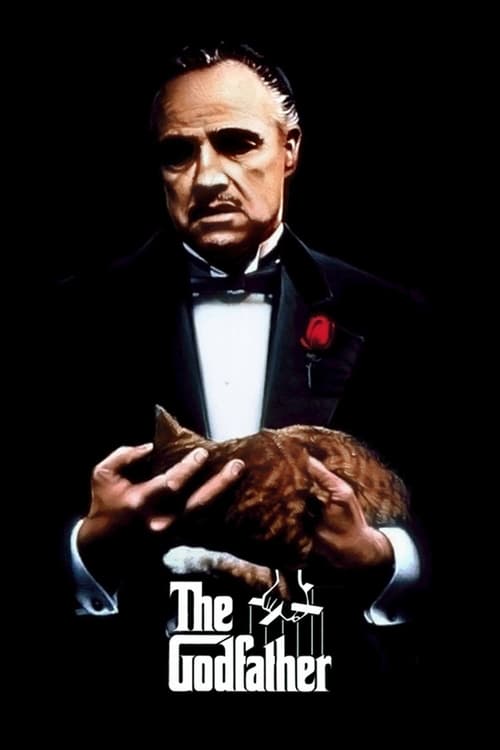
The Godfather
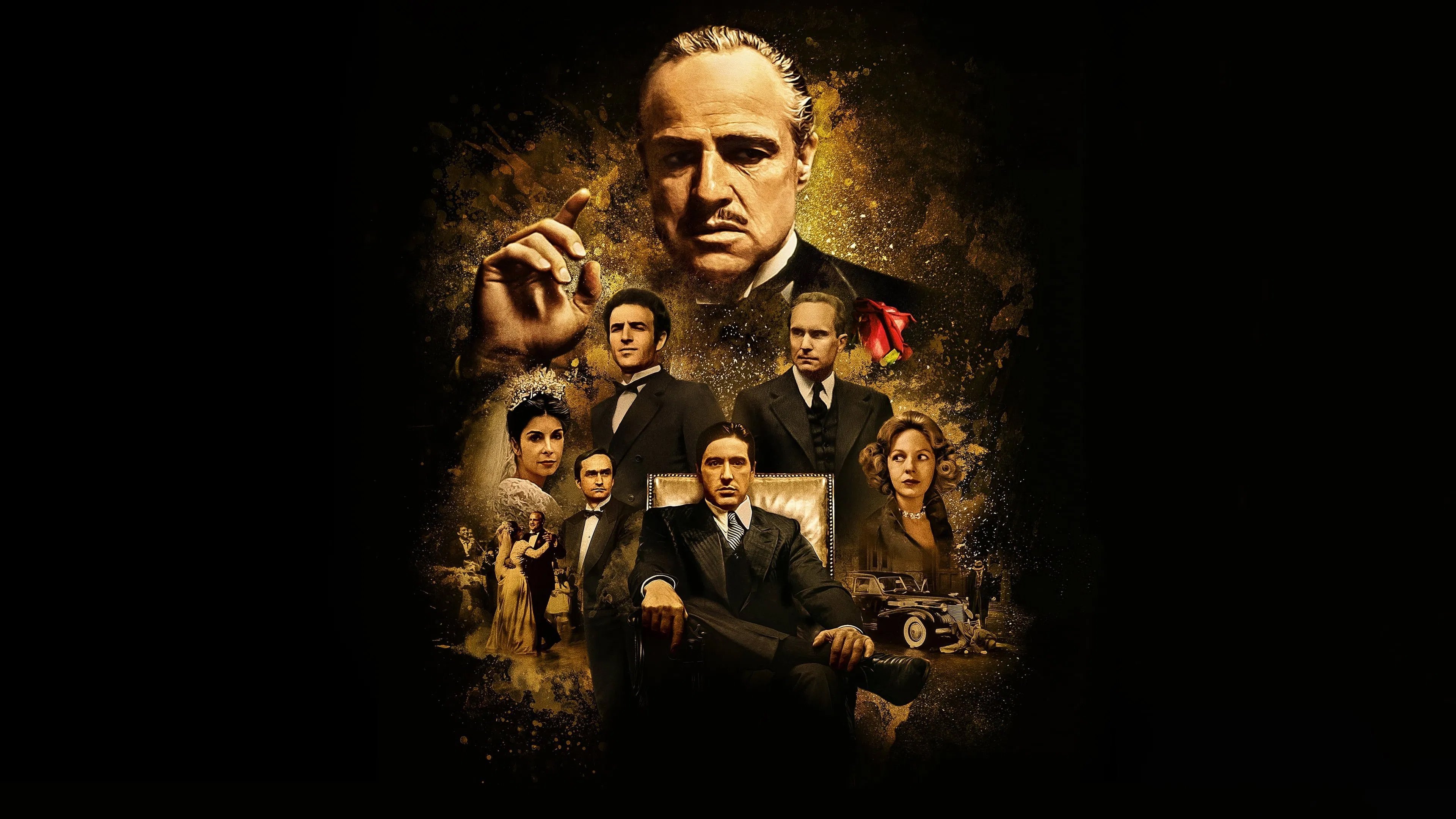
Spanning the years 1945 to 1955, a chronicle of the fictional Italian-American Corleone crime family. When organized crime family patriarch, Vito Corleone barely survives an attempt on his life, his youngest son, Michael steps in to take care of the would-be killers, launching a campaign of bloody revenge.


Where to watch


ORAMACAST.COM Review
To call Francis Ford Coppola’s *The Godfather* merely a crime drama is to miss the point entirely, to reduce a sprawling, operatic canvas to a simple genre tag. This is not just a film; it is a profound meditation on power, family, and the corrosive nature of legacy, painted with a chiaroscuro brilliance that few films have ever matched. Coppola’s direction is a masterclass in controlled intensity, opening with the iconic, dimly lit wedding scene that immediately establishes the world of contrasts: the joyful celebration against the backdrop of desperate pleas and brutal dealings. The camera often lingers, observing, allowing the audience to become complicit witnesses to the slow, agonizing transformation of Michael Corleone.
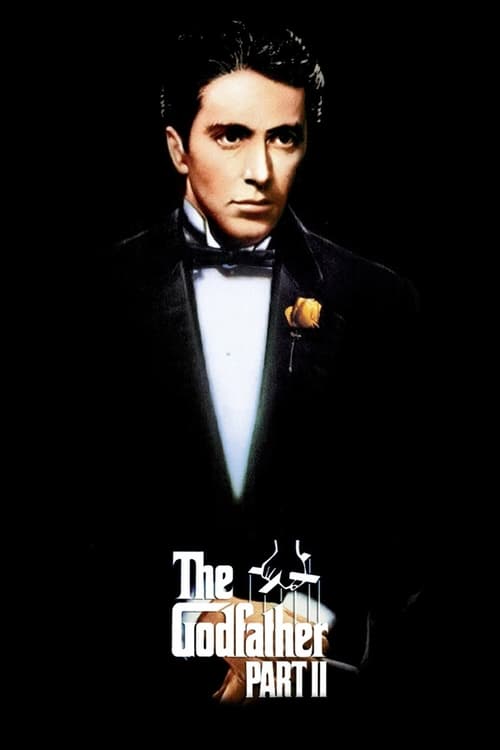
The screenplay, adapted from Puzo’s novel, is a marvel of narrative construction, meticulously charting Michael’s descent from an outsider to the ruthless patriarch. Al Pacino’s performance as Michael is a study in chilling evolution; his eyes, initially filled with a quiet disdain for his family's business, gradually harden into an unblinking resolve. It's a subtle, devastating performance that speaks volumes in its silences. Marlon Brando's Vito, while iconic, occasionally teeters on the edge of caricature, though his gravelly pronouncements undeniably cement the film's mythic status. The film's greatest strength lies in its refusal to glamorize violence. Each act of brutality, from the horse's head to the final baptismal montage, is presented with a stark, almost ritualistic gravity, underscoring the grim consequences of their chosen path.
However, the film, while monumental, isn’t without its minor imperfections. The female characters, particularly Diane Keaton's Kay, often feel underwritten, relegated to reactive roles that serve primarily to highlight the men's struggles. Their emotional arcs, while present, lack the same depth and complexity afforded to the Corleone men. This is a narrative overwhelmingly focused on the patriarchal lineage, sometimes at the expense of a more rounded societal portrait. Nevertheless, *The Godfather* remains an essential cinematic text. It is a work that demands not just viewing, but critical engagement, compelling us to confront the uncomfortable truths about power, loyalty, and the price of ambition. It’s a film that doesn't just entertain; it interrogates.