The Dark Knight
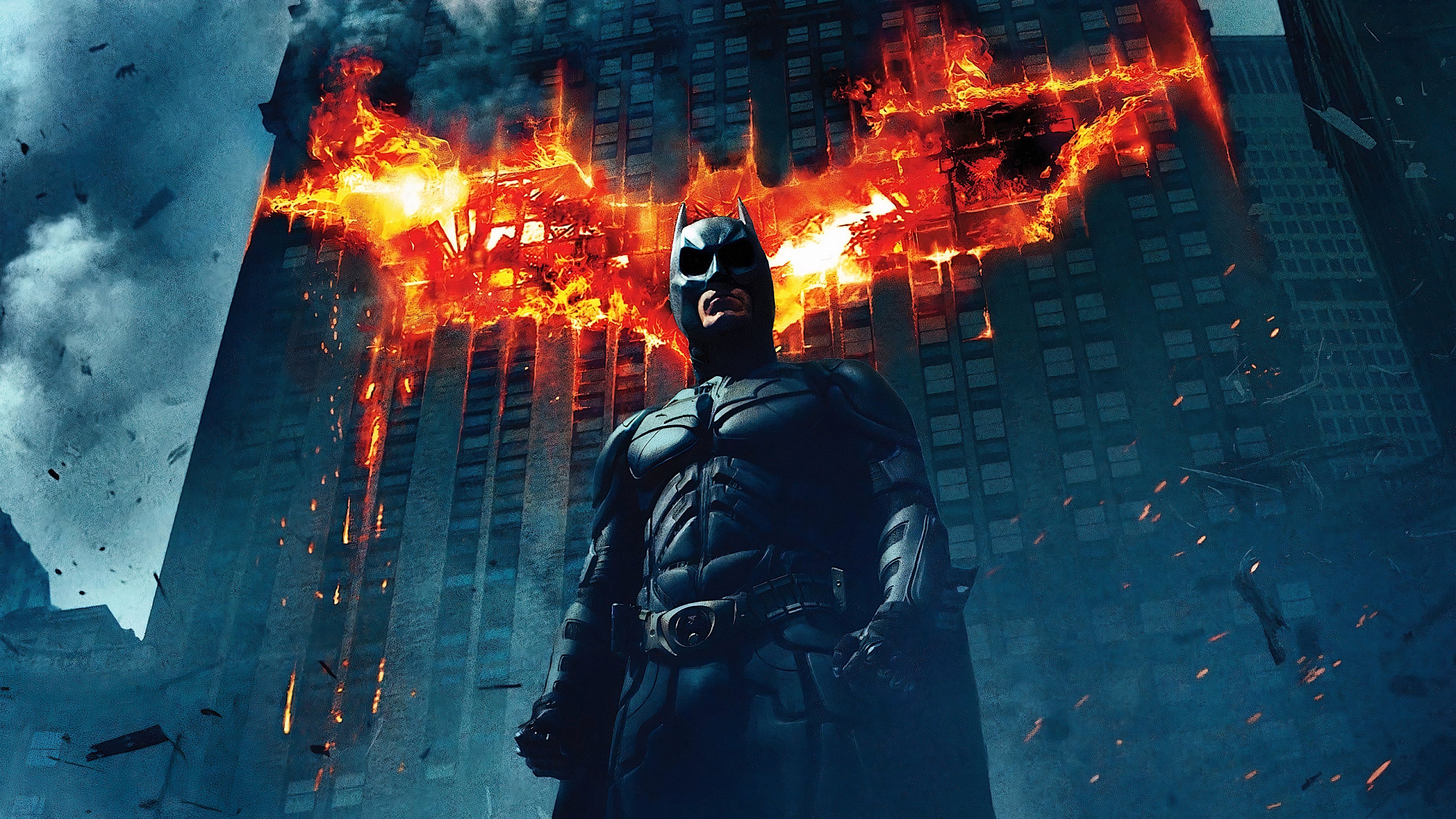
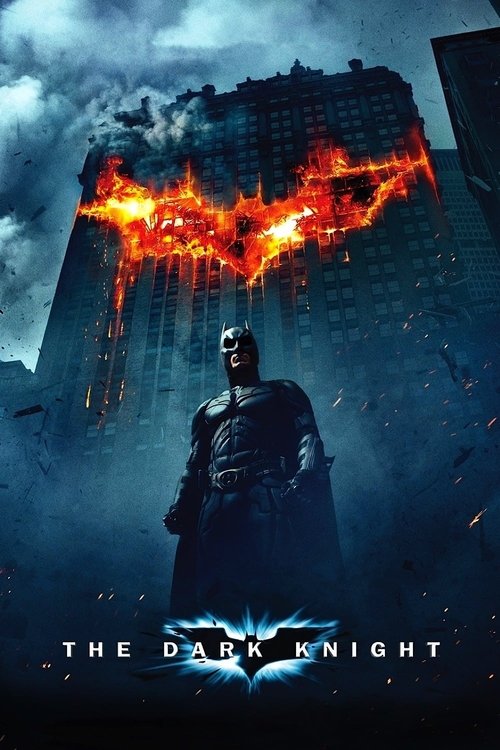
Batman raises the stakes in his war on crime. With the help of Lt. Jim Gordon and District Attorney Harvey Dent, Batman sets out to dismantle the remaining criminal organizations that plague the streets. The partnership proves to be effective, but they soon find themselves prey to a reign of chaos unleashed by a rising criminal mastermind known to the terrified citizens of Gotham as the Joker.



Where to watch


ORAMACAST.COM Review
Christopher Nolan’s “The Dark Knight” isn't merely a superhero film; it’s a chilling examination of societal decay and the insidious nature of chaos. From its audacious opening sequence, a meticulously choreographed bank heist that unfolds with balletic precision, Nolan immediately establishes a world where order is a fragile illusion. This is not the brightly lit, escapist Gotham of earlier iterations, but a sprawling, grimy metropolis suffocating under the weight of its own moral compromises.
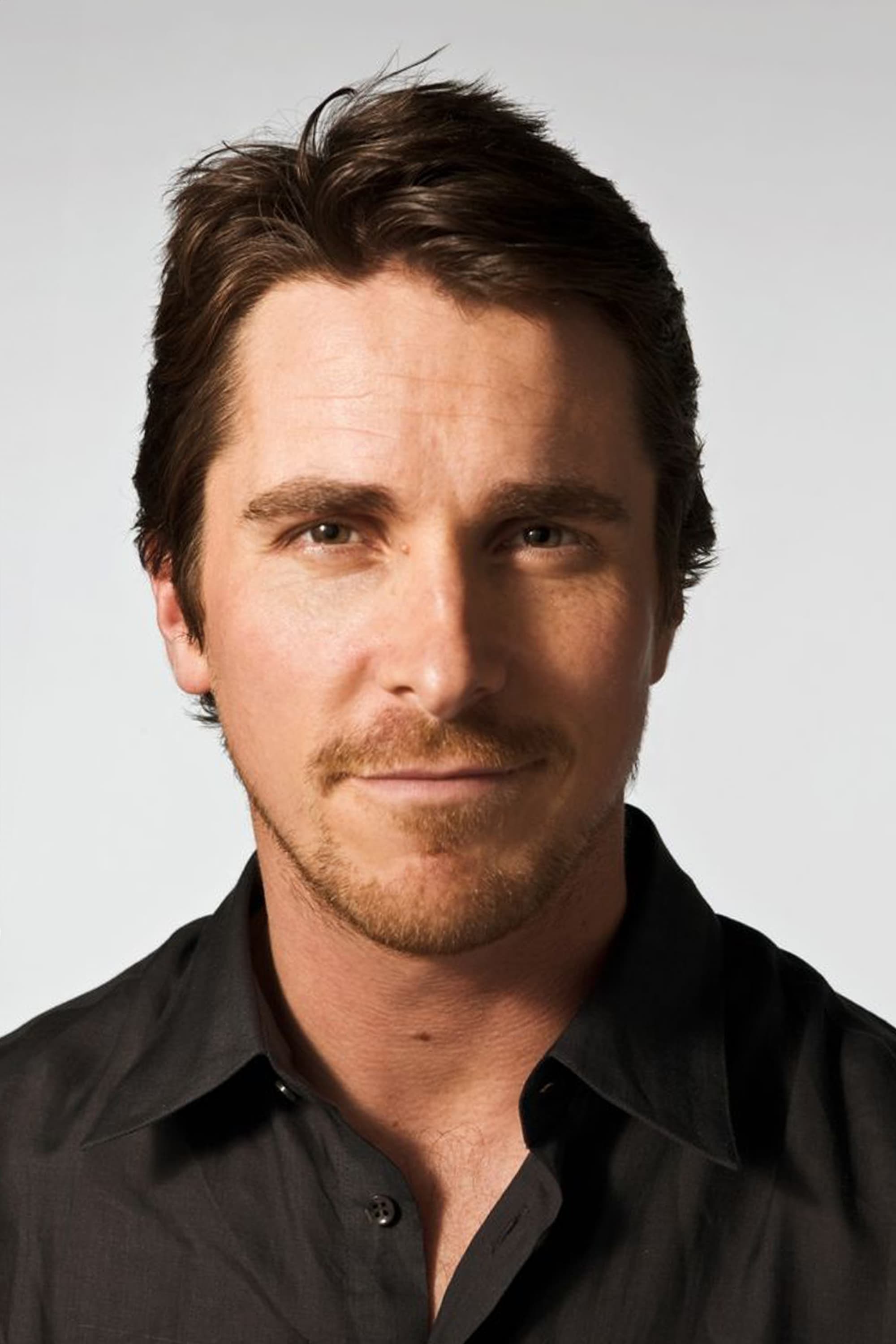
Nolan’s direction here is less about spectacle and more about psychological excavation. He uses the sprawling canvas of Gotham to frame intimate struggles, particularly the ideological war waged between Christian Bale’s tormented Batman and Heath Ledger’s terrifying Joker. Ledger’s performance, a masterclass in controlled anarchy, transcends mere villainy. He is a force of nature, a philosophical anarchist whose actions are designed not for personal gain but to expose the hypocrisy and latent savagery within humanity. The camera often lingers on his unsettling gestures, his unsettlingly casual delivery of profound nihilism, forcing the audience to confront the uncomfortable truth of his arguments.
The screenplay, while brilliant in its ambition to explore complex ethical dilemmas, occasionally stumbles under its own weight. The narrative, though largely taut, sometimes feels stretched, particularly in the rapid development and subsequent tragic fall of Harvey Dent. Aaron Eckhart delivers a compelling performance, but the transition from beacon of hope to Two-Face, while thematically resonant, feels somewhat compressed, a necessary plot point rather than an organic character evolution.
Wally Pfister’s cinematography is a character in itself. The stark contrasts of light and shadow, the visceral hand-held sequences during the action, and the almost documentary-style realism ground the fantastical elements in a palpable sense of dread. This is cinema that demands intellectual engagement, challenging its audience to look beyond the capes and cowls to confront the darkness that lies not just in Gotham, but within us all. Ultimately, “The Dark Knight” is a bold, albeit imperfect, work that elevates the genre, proving that blockbusters can indeed be art.