










Where to watch


ORAMACAST.COM Review
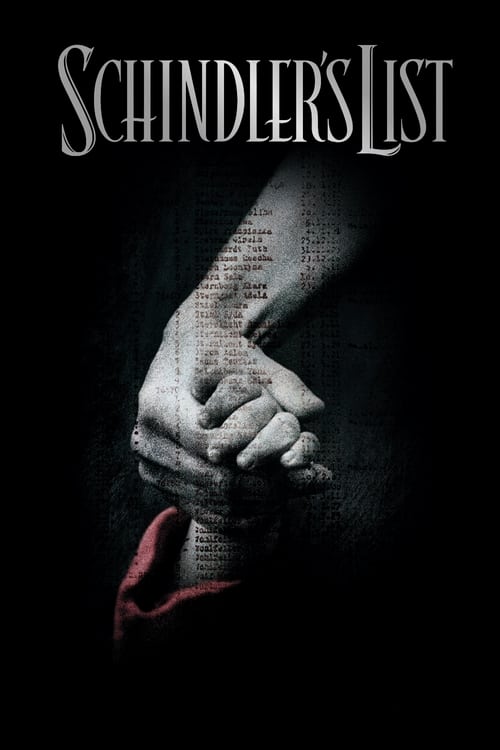
Steven Spielberg’s *Schindler’s List* is not merely a recounting of history; it is a visceral confrontation with humanity's capacity for both unimaginable cruelty and profound redemption. Shot in stark, haunting black and white, the film immediately elevates itself beyond conventional historical drama, transforming the past into a timeless, almost mythic, canvas. This monochromatic choice is not a stylistic flourish; it is a declaration, stripping away the comfort of color to force an unblinking gaze upon the horrors of the Holocaust.
Liam Neeson’s portrayal of Oskar Schindler is a masterclass in nuanced transformation. He begins as a shrewd opportunist, a man driven by profit and pleasure, yet Neeson subtly imbues him with a nascent conscience that slowly, almost imperceptibly, blossoms into heroic conviction. This isn't a sudden epiphany, but a gradual chipping away of cynicism, a testament to Neeson’s ability to convey internal struggle with remarkable restraint. Ralph Fiennes, as Amon Goeth, offers a chilling counterpoint. His performance isn't just villainy; it's the banality of evil made flesh, a man who murders with the same casual indifference he might light a cigarette. The scenes of Goeth casually shooting prisoners from his balcony are not just shocking; they are a profound commentary on the dehumanizing effect of absolute power.
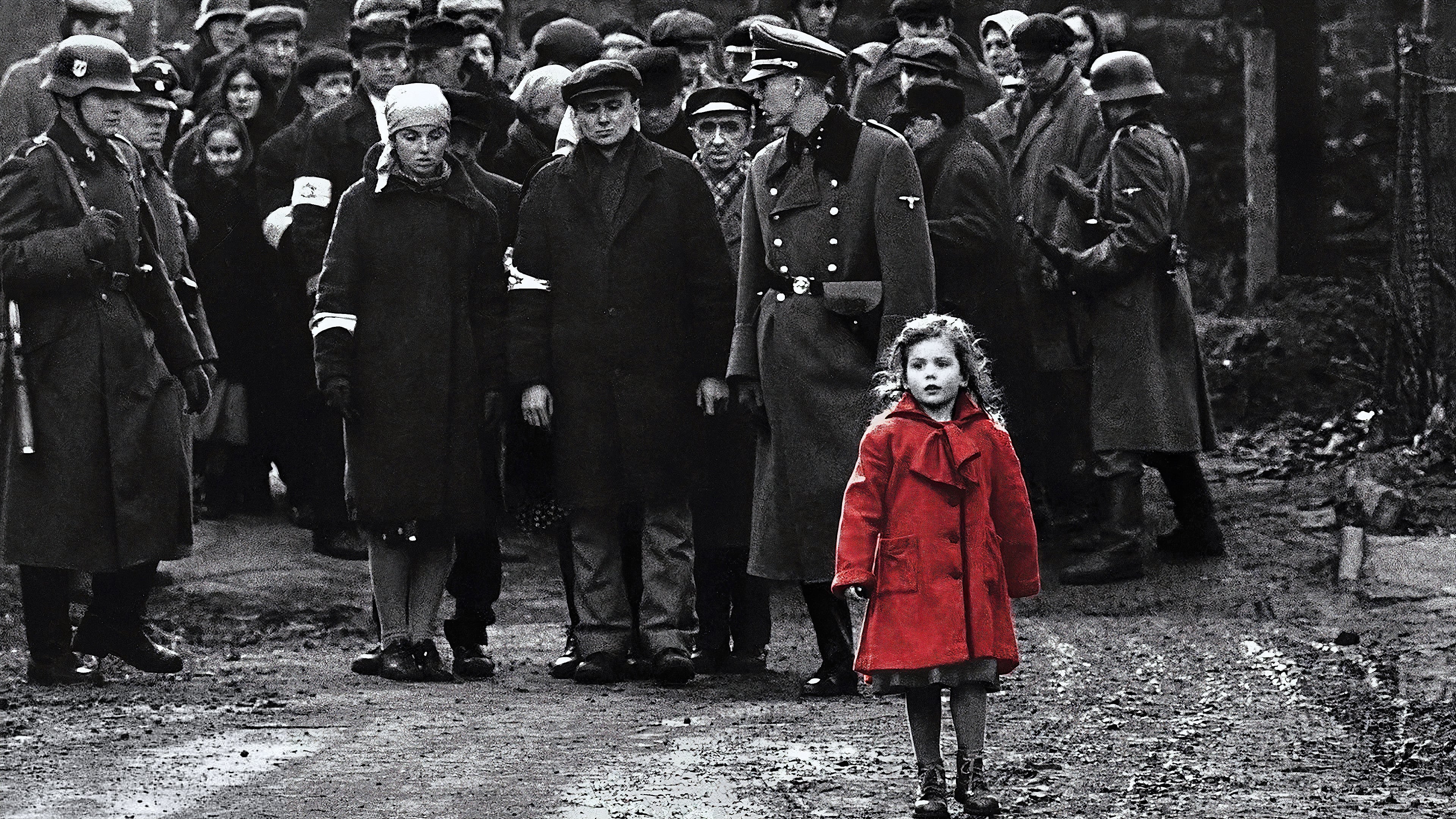
Janusz Kamiński’s cinematography is the film’s heartbeat. Beyond the iconic black and white, it's the handheld intimacy, the unflinching close-ups, and the almost documentary-like gaze that immerses the viewer. The single splash of color – the little girl in the red coat – remains a potent, if somewhat debated, artistic choice. For some, it’s a jarring break from the film’s austere aesthetic, a moment that risks sentimentalizing an otherwise unsparing narrative. For me, it serves as a stark, almost agonizing, symbol of lost innocence, a single vibrant life extinguished amidst desolation, and a visual plea for remembrance in a landscape of forgotten souls.
While the film’s emotional impact is undeniable, its narrative structure occasionally leans on a conventional hero’s journey that, at times, simplifies the complex moral landscape of the period. The ultimate transformation of Schindler, while compelling, can feel a touch too neat, too cinematic, in a story that otherwise strives for brutal realism. Yet, this is a minor quibble in a film that largely succeeds in its monumental ambition. *Schindler’s List* isn’t just a film to be watched; it’s an experience to be endured, a necessary and painful reminder of history’s lessons, crafted with an artistic conviction that demands reflection long after the credits roll. It is a work that transcends entertainment, asserting cinema's power as a vital tool for historical witness and moral reckoning.