Dilwale Dulhania Le Jayenge
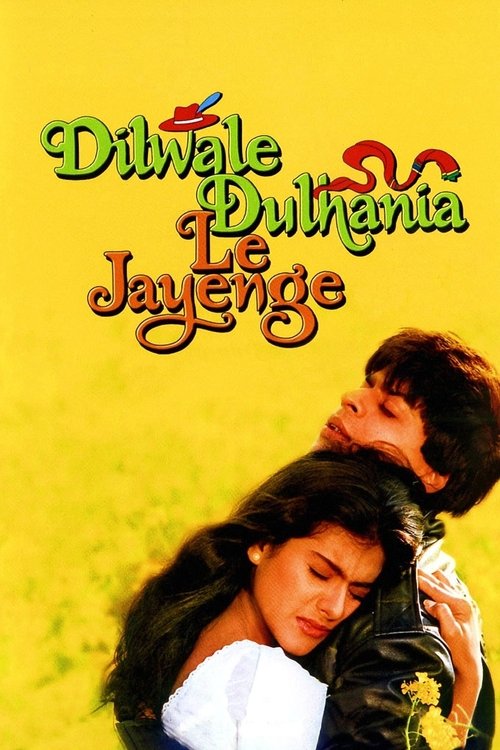
Raj is a rich, carefree, happy-go-lucky second generation NRI. Simran is the daughter of Chaudhary Baldev Singh, who in spite of being an NRI is very strict about adherence to Indian values. Simran has left for India to be married to her childhood fiancé. Raj leaves for India with a mission at his hands, to claim his lady love under the noses of her whole family. Thus begins a saga.








Where to watch


ORAMACAST.COM Review
Aditya Chopra's 1995 phenomenon, Dilwale Dulhania Le Jayenge, is more than just a rom-com; it is a meticulously crafted cultural artifact, a cinematic negotiation between tradition and modernity that has captivated generations. At its core, the film presents a seemingly simple premise: Raj, the exuberant NRI, pursuing Simran, the dutiful daughter bound by ancestral promises. Yet, Chopra’s directorial hand elevates this into a meditation on identity, belonging, and the evolving definition of family honor.
The film's genius lies in its nuanced portrayal of its protagonists. Shah Rukh Khan's Raj is not merely a charming rogue; his carefree exterior masks a keen strategic mind and a surprising depth of respect for Simran's family. His performance, a blend of playful irreverence and sincere devotion, anchors the film's emotional arc. Kajol, as Simran, is equally compelling. Her internal conflict—between her burgeoning love for Raj and her ingrained obedience to her father, Chaudhary Baldev Singh—is rendered with a poignant vulnerability that transcends typical damsel-in-distress tropes. Amrish Puri's Baldev, often typecast in villainous roles, here delivers a masterclass in patriarchal authority tempered by an underlying, albeit rigidly expressed, love for his daughter. His eventual concession is not a defeat, but a hard-won recognition of a new societal paradigm.
Cinematographically, the film employs a vibrant palette, contrasting the lush, open landscapes of Europe with the more confined, traditional settings of Punjab. This visual metaphor subtly reinforces the central thematic tension. The musical numbers, often criticized for their length in Hindi cinema, here serve as integral narrative devices, propelling the story forward and articulating emotions that dialogue alone cannot capture.
However, the film is not without its narrative conveniences. The prolonged cat-and-mouse game in the second half, while entertaining, occasionally strains credulity. Some might argue that the depiction of NRI life, particularly Raj's seemingly endless wealth, leans into a romanticized fantasy, sidestepping the complexities of diaspora identity for a more palatable, aspirational narrative. The resolution, while emotionally satisfying, relies on a somewhat idealized vision of patriarchal transformation.
Despite these minor quibbles, DDLJ remains a remarkable achievement. It’s a film that understands the power of a gaze, the weight of a silence, and the revolutionary potential of a single, defiant decision. Chopra didn’t just make a hit movie; he crafted a cultural touchstone, demonstrating that commercial success and artistic integrity are not mutually exclusive. It’s a testament to cinema’s ability to both reflect and reshape societal values, making it essential viewing for anyone seeking to understand the heart of Indian popular culture.