Critical Language Evolution: US Movie Reviews 2020-2026
Advertisements
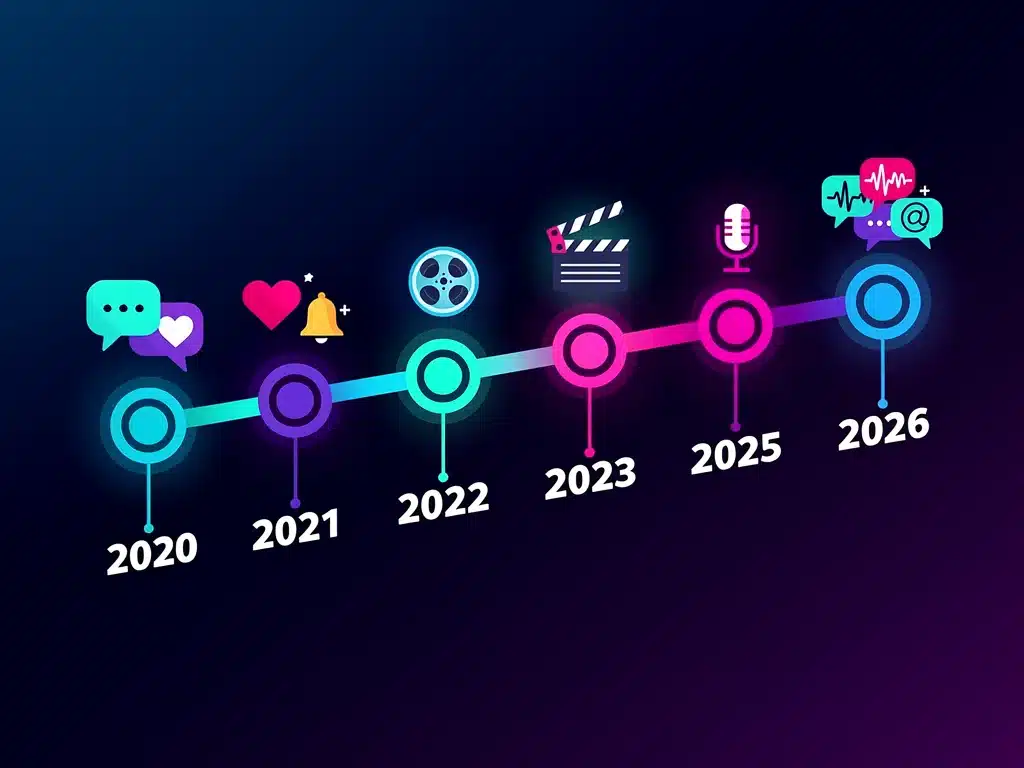
The landscape of U.S. movie reviews dramatically shifted between 2020 and 2026, evolving from traditional critiques to a more integrated, audience-driven, and socially conscious critical discourse.
The world of film criticism is a dynamic entity, constantly adapting to cultural shifts, technological advancements, and evolving audience expectations. From 2020 to 2026, the United States witnessed a profound transformation in how movies are reviewed, moving beyond mere plot summaries and star ratings. This period represents a crucial chapter in movie review evolution, where critical language became more nuanced, accessible, and deeply intertwined with broader societal conversations. This exploration will delve into the five pivotal shifts that redefined U.S. movie reviews, offering insights into their impact on both critics and audiences.
The Rise of Accessibility and Democratization in Criticism
The early 2020s marked a significant turning point for movie reviews, moving away from an exclusive domain of professional critics to a more inclusive and accessible space. This democratization was largely fueled by digital platforms and social media, which empowered a wider array of voices to share their cinematic opinions.
Before 2020, established publications and well-known critics held significant sway. Their reviews often dictated public perception and box office success. However, the subsequent years saw a rapid acceleration of content creation across various online channels, fundamentally altering this power dynamic.
The Proliferation of Digital Platforms
Digital platforms like YouTube, TikTok, and Letterboxd became fertile ground for new forms of film criticism. These platforms lowered the barrier to entry, allowing anyone with a camera or a keyboard to become a commentator. This shift introduced a multitude of perspectives, from casual movie watchers to burgeoning cinephiles.
- YouTube Channels: Creators offered in-depth video essays, spoiler-filled discussions, and comedic takes on new releases, often reaching millions of subscribers.
- TikTok Reviews: Short-form video content revolutionized quick takes and immediate reactions, making critical commentary digestible and shareable.
- Letterboxd Community: This social networking service for film enthusiasts allowed users to rate, review, and log films, fostering a vibrant community of amateur critics whose collective opinions gained considerable influence.
This expansion meant that audiences no longer relied solely on a handful of established voices. Instead, they could seek out critics whose tastes aligned with their own, or who offered unique cultural insights. This made film criticism feel less like an authoritative decree and more like a collective conversation.
Breaking Down Traditional Barriers
The rise of these platforms also challenged the traditional gatekeepers of film criticism. Publications that once held monopolies on critical discourse found themselves competing with independent creators who often connected more authentically with younger, diverse audiences.
- Increased Diversity: More diverse voices, representing various cultural backgrounds and identities, entered the critical space, offering perspectives previously underrepresented.
- Direct Engagement: Audiences could directly interact with critics through comments, live streams, and social media, fostering a sense of community and shared experience.
- Niche Interests: Specialized critics emerged, focusing on specific genres, directors, or thematic elements, catering to highly targeted audiences.
The overall impact was a richer, more varied critical landscape. While not without its challenges, such as navigating misinformation or the sheer volume of content, this democratization undeniably broadened the scope and appeal of movie reviews, making them an integral part of the film-watching experience for many.
In conclusion, the period from 2020 to 2026 witnessed a fundamental shift in the accessibility and democratic nature of movie reviews. Digital platforms empowered a new generation of critics and engaged audiences in unprecedented ways, forever changing the landscape of film commentary.
Emphasis on Social and Cultural Context
Beyond cinematic merit, movie reviews from 2020 to 2026 increasingly incorporated broader social and cultural contexts. The films themselves often reflected contemporary issues, and critics responded by integrating these themes into their analyses, moving beyond purely aesthetic judgments.
This shift wasn’t sudden; it was a natural progression influenced by global events, social justice movements, and a growing awareness of representation in media. Critics felt a greater responsibility to evaluate films not just as art, but as cultural artifacts with real-world implications.
Representation and Inclusivity
One of the most prominent aspects of this shift was the heightened focus on representation. Critics scrutinized how diverse characters were portrayed, whether narratives offered authentic voices, and if films contributed to or challenged existing stereotypes. This critical lens applied to race, gender, sexuality, disability, and socio-economic status.
The conversation extended beyond simply counting diverse characters; it delved into the nuance of their stories and the authenticity of their experiences. Reviews often highlighted:
- Authenticity of Portrayal: Was the representation genuine or tokenistic? Did it avoid harmful clichés?
- Impact on Marginalized Communities: How might the film affect specific audience groups, positively or negatively?
- Filmmaker Background: The identity and perspective of the creators became relevant, particularly when discussing sensitive topics.
This analytical approach encouraged filmmakers to be more thoughtful about their casting and storytelling choices, knowing their work would be evaluated through a more comprehensive cultural framework.
Ethical and Political Dimensions
Furthermore, reviews began to engage with the ethical and political messages embedded within films. Whether intentionally or not, movies often reflect societal values and political currents. Critics became adept at unpacking these layers, discussing a film’s ideological underpinnings and its potential influence.
Topics frequently addressed included:
- Environmental Themes: Films dealing with climate change or ecological issues were reviewed for their scientific accuracy and their call to action.
- Political Commentary: Movies with overt or subtle political messages were analyzed for their efficacy, bias, and relevance to current events.
- Historical Reinterpretation: Historical dramas or biopics were often judged on their fidelity to facts and their modern interpretations of past events.
This deeper engagement meant that a positive review might not just praise acting or direction, but also commend a film’s progressive message or its ability to spark important conversations. Conversely, a negative review might criticize a film for perpetuating harmful stereotypes or presenting a problematic worldview, even if its technical aspects were sound.
Ultimately, the years 2020-2026 solidified the role of movie reviews as more than just entertainment guides. They became platforms for cultural critique, reflecting and shaping public discourse on critical social issues.
The Blurring Lines Between Review and Analysis
The traditional distinction between a brief movie review and an in-depth film analysis began to blur considerably between 2020 and 2026. Critics, especially those operating in the digital sphere, increasingly adopted a more analytical approach, offering deeper dives into thematic elements, directorial choices, and cinematic techniques, even in formats traditionally reserved for quick takes.
This evolution was driven by an audience hungry for more than just a thumbs-up or thumbs-down. Viewers wanted to understand why a film resonated, what its deeper meanings were, and how it fit into the broader cinematic landscape. This demand pushed critics to elevate their craft.
From Opinion to Deconstruction
Many reviews transitioned from simply stating an opinion to actively deconstructing a film. This involved breaking down narrative structures, character motivations, visual metaphors, and sound design. The aim was to guide the audience through the critical process, rather than just presenting a final judgment.
This analytical trend manifested in several ways:
- Thematic Exploration: Reviews often dedicated significant portions to exploring a film’s central themes, connecting them to broader philosophical or societal ideas.
- Technical Breakdown: Discussions of cinematography, editing, and sound design became more common, moving beyond vague praise to specific examples and their impact.
- Intertextual Connections: Critics frequently drew parallels to other films, literary works, or historical events, enriching the understanding of the movie within a wider context.
This approach empowered audiences to engage with films on a more intellectual level, encouraging them to think critically about the art form rather than passively consuming it.
The Rise of the Video Essay
The video essay, a format perfected on platforms like YouTube, became a prime example of this blurring line. These weren’t just reviews; they were meticulously crafted pieces of academic-level analysis, often spanning 10-30 minutes, complete with visual aids, archival footage, and expert commentary.
Video essays allowed critics to:
- Illustrate Points Visually: Directly show examples from the film to support their analytical claims, making complex ideas more accessible.
- Develop Extended Arguments: Unlike traditional print reviews, video essays provided the space for nuanced, multi-faceted arguments that unfolded over time.
- Engage with Theory: Many video essayists incorporated film theory, cultural studies, and philosophical concepts into their analyses, elevating the critical discourse.
While traditional written reviews still existed, even they adopted a more analytical tone, often featuring dedicated sections for thematic interpretations or technical critiques. The result was a more sophisticated and intellectually stimulating critical environment, where the line between a casual review and a scholarly analysis became delightfully indistinct.
In essence, the period between 2020 and 2026 saw movie reviews evolve into richer, more analytical texts that empowered audiences to engage with film on a deeper, more intellectual level.
Interactive and Experiential Criticism
The shift towards interactivity and an experiential approach to criticism marked another significant development in U.S. movie reviews during 2020-2026. Critics began to leverage digital tools and platforms to create more engaging, participatory experiences for their audience, moving beyond a one-way transmission of opinion.
This was partly a response to the evolving nature of media consumption, where audiences expected to be active participants rather than passive recipients. Reviews became less about a definitive verdict and more about facilitating a shared exploration of a film.
Live Reactions and Discussions
Live streaming platforms, particularly Twitch and YouTube Live, became popular venues for critics to share their initial reactions to films. These live events allowed for real-time interaction with viewers, fostering a sense of community and shared discovery.
Key features of this interactive approach included:
- Real-time Q&A: Critics answered audience questions about the film immediately after viewing, creating spontaneous and authentic discussions.
- Polls and Surveys: Audiences could vote on various aspects of the film, influencing the critic’s discussion points or even future content.
- Audience Call-ins: Some critics incorporated live calls from viewers, allowing for direct, unscripted dialogues about the movie.
This immediacy and direct engagement made the critical process feel less formal and more like a conversation among friends, breaking down the perceived distance between critic and audience.
Community-Driven Platforms and Forums
Beyond live events, dedicated online communities and forums played a crucial role in fostering experiential criticism. Platforms like Reddit, specialized film forums, and even comment sections on major review sites transformed into vibrant spaces for collaborative critical engagement.
These platforms enabled:
- Shared Interpretations: Users collectively dissected plot points, theories, and thematic ambiguities, often uncovering insights that a single critic might miss.
- Fan Theories: The collaborative nature of these spaces led to the development and discussion of elaborate fan theories, particularly for genre films.
- Curated Content: Some platforms allowed users to curate lists of reviews, discussions, and analyses, creating personalized critical journeys.
The experiential aspect extended to how reviews were consumed. Audiences might watch a film, then immediately jump into a live discussion or a forum to share their thoughts and see how others reacted. This integrated experience made film criticism a continuous, evolving process rather than a static piece of content.
In summary, the years 2020-2026 saw a significant move towards interactive and experiential criticism, transforming movie reviews into dynamic, community-driven conversations that actively involved the audience.
The Impact of AI and Data Analytics on Reviewing
As technology advanced, the period between 2020 and 2026 also witnessed the nascent but growing impact of artificial intelligence and data analytics on U.S. movie reviews. While human critics remained central, AI began to play a supporting role, influencing how films were evaluated, recommended, and understood by audiences.
This integration wasn’t about replacing human judgment but rather augmenting it, offering new tools for analysis and personalization. AI’s influence manifested in both the creation and consumption of critical content.
AI-Assisted Sentiment Analysis
One of the most immediate applications of AI was in sentiment analysis. Algorithms could process vast amounts of user-generated content – from social media comments to forum discussions – to gauge overall public sentiment towards a film. This provided a macro-level understanding of audience reception that individual critics couldn’t achieve.
AI-powered sentiment analysis could:
- Identify Trends: Quickly spot emerging positive or negative trends in audience reactions across different demographics.
- Categorize Feedback: Break down feedback into specific aspects (e.g., plot, acting, visuals) to pinpoint strengths and weaknesses from a collective viewpoint.
- Predict Performance: In some cases, aggregated sentiment data could offer early indicators of a film’s potential box office or critical success.
While not a substitute for nuanced human criticism, this data provided valuable context for critics, allowing them to understand the broader public pulse and potentially address common talking points in their own reviews.
Personalized Recommendations and Curated Content
AI also revolutionized how audiences discovered and consumed movie reviews. Recommendation algorithms became increasingly sophisticated, personalizing the critical content users saw based on their viewing history, stated preferences, and even their engagement with other reviews.
This personalization meant:
- Tailored Review Feeds: Users were presented with reviews from critics or platforms whose styles and opinions aligned with their own, enhancing discoverability.
- Curated Collections: AI could suggest curated lists of films and their corresponding reviews based on specific themes, genres, or moods, creating bespoke critical journeys.
- Automated Summaries: For overwhelming volumes of reviews, AI could generate concise summaries of critical consensus, saving users time.
However, this also raised concerns about potential echo chambers, where users might only be exposed to opinions that reinforced their existing biases. The challenge for critics and platforms became balancing personalization with the exposure to diverse viewpoints.
In essence, AI and data analytics began to reshape the landscape of movie criticism by providing powerful tools for understanding collective sentiment and personalizing the consumption of reviews, adding a new dimension to the critical process in the mid-2020s.
The Evolution of Critical Ethics and Accountability
The proliferation of voices and the increased scrutiny on social and cultural contexts in U.S. movie reviews from 2020 to 2026 also led to a significant evolution in critical ethics and accountability. As the power of individual and collective critical voices grew, so did the demand for transparency, fairness, and responsible commentary.
This period saw a greater emphasis on critics acknowledging their biases, disclosing potential conflicts of interest, and engaging with feedback in a constructive manner. The informal nature of digital criticism sometimes led to ethical dilemmas, prompting a collective push for higher standards.
Transparency and Bias Acknowledgment
Critics became more proactive in acknowledging their own perspectives and potential biases. Rather than pretending to offer an objective, universal truth, many critics adopted a more personal and transparent approach, recognizing that their background and experiences inevitably shaped their views.
This included:
- Stating Personal Context: Some critics openly discussed their personal connection to a film’s themes or their prior history with a director or actor.
- Disclosing Conflicts of Interest: Any potential financial ties, friendships, or professional relationships that could influence a review were increasingly disclosed.
- Reflecting on Subjectivity: Explicitly stating that a review represents one perspective, rather than an absolute judgment, became more common.
This transparency built trust with audiences, who appreciated the honesty and felt more equipped to interpret a review within its proper context.
Accountability to Audiences and Filmmakers
With greater reach came greater accountability. Critics were increasingly challenged by audiences and even filmmakers to justify their opinions, correct factual errors, and engage in respectful dialogue. This pressure led to a more careful and considered approach to critical writing and commentary.
Key aspects of this increased accountability included:
- Fact-Checking: A renewed emphasis on verifying factual claims made within reviews, especially concerning historical details or technical information.
- Constructive Criticism: A move away from purely negative or dismissive reviews towards more analytical and constructive feedback, even when a film was deemed unsuccessful.
- Responding to Feedback: Critics on digital platforms often engaged directly with comments and criticisms from their audience, fostering a more interactive and responsible discourse.
The ethical responsibilities extended to the language used, with a greater awareness of avoiding harmful stereotypes, personal attacks, or overly aggressive tones. The goal was to maintain intellectual rigor while fostering a respectful and inclusive environment for discussion.
In conclusion, the years 2020-2026 instilled a stronger sense of ethics and accountability within U.S. movie criticism. Critics recognized the power of their words and embraced greater transparency and responsibility in their engagement with films and audiences alike, shaping a more mature critical landscape.
The Evolution of Review Length and Format
The period from 2020 to 2026 saw significant experimentation and diversification in the length and format of U.S. movie reviews. Driven by varying audience attention spans, platform capabilities, and the desire for both quick takes and deep dives, critics adapted their output to cater to a broader spectrum of consumption habits.
No longer was there a single, dominant format for a movie review. Instead, a dynamic ecosystem emerged, offering everything from ultra-short social media snippets to sprawling, multi-part video essays.
The Rise of Micro-Reviews and Short-Form Content
The explosion of platforms like TikTok and Instagram Reels normalized the micro-review – a concise, often visual, and immediate reaction to a film. These reviews typically lasted under 60 seconds and focused on capturing the essence of a movie’s appeal or shortcomings.
Characteristics of micro-reviews included:
- Rapid Delivery: Quick cuts, text overlays, and trending audio were used to convey opinions efficiently.
- Emotional Resonance: Often prioritized capturing the emotional impact or immediate impression of a film over detailed analysis.
- Shareability: Designed for viral spread, these reviews were easily shared across social networks, reaching vast audiences quickly.
This format catered to audiences with limited time, offering a snapshot of critical consensus or individual opinion before committing to a longer review or the film itself.
Long-Form and Multi-Platform Storytelling
Conversely, the demand for in-depth analysis also led to the growth of long-form, multi-platform critical content. This included extended video essays, multi-part podcast series discussing a single film, and comprehensive written articles that could span thousands of words.
These longer formats allowed for:
- Nuanced Argumentation: The space to develop complex arguments, explore subtext, and delve into the intricacies of filmmaking.
- Cross-Media Integration: Critics often combined written text with embedded video clips, audio snippets, and interactive graphics to create a rich, immersive review experience.
- Archival Value: These detailed pieces often served as valuable archival resources, offering comprehensive historical and cultural context for films.
The critical landscape became a buffet of options: audiences could quickly glance at a TikTok review for a general vibe, then dive into a 20-minute YouTube essay for a thorough deconstruction, and finally read a traditional print review for a seasoned perspective. This flexibility empowered consumers to choose the depth and format of criticism that best suited their needs at any given moment.
In conclusion, the years 2020-2026 fundamentally reshaped the length and format of U.S. movie reviews. Critics adapted by embracing both bite-sized micro-reviews and expansive, multi-platform analyses, catering to a diverse audience and enriching the overall critical experience.
| Key Shift | Brief Description |
|---|---|
| Democratization | Wider access to film criticism via digital platforms, empowering diverse voices. |
| Social Context | Reviews increasingly integrate social, cultural, and ethical analyses of films. |
| Review/Analysis Blur | Traditional reviews adopt deeper analytical approaches, akin to scholarly essays. |
| AI Impact | AI-assisted sentiment analysis and personalized recommendations influence consumption. |
Frequently Asked Questions About Movie Review Evolution
Social media platforms significantly democratized movie reviews by enabling a broader range of voices, including amateur critics and diverse perspectives, to share opinions and engage directly with audiences. This led to a wider variety of critical content, from short-form videos to in-depth discussions, changing how films were perceived and discussed.
The increased focus on social and cultural context stemmed from a growing societal awareness of issues like representation, identity, and ethics, reflected in contemporary films. Critics felt compelled to evaluate movies not just for their artistic merit but also for their broader implications and how they contributed to or challenged cultural narratives.
This refers to the trend where traditional movie reviews evolved beyond simple opinions to incorporate deeper analytical approaches. Critics began deconstructing films, exploring themes, technical aspects, and cinematic techniques in more detail, often resembling academic essays or video analyses, even in shorter formats, to provide richer context.
AI’s influence primarily involved sentiment analysis, where algorithms processed vast amounts of audience feedback to gauge collective sentiment, and personalized recommendations. AI helped critics understand broad public reception and delivered tailored critical content to users, though it also raised concerns about potential echo chambers in opinion.
Critics increasingly prioritized transparency by acknowledging personal biases and disclosing conflicts of interest. There was also a greater demand for accountability, with critics engaging in constructive dialogue, fact-checking, and responding to audience feedback, fostering a more responsible and trustworthy critical environment.
Conclusion
The period from 2020 to 2026 unequivocally marked a transformative era for U.S. movie reviews. From the democratization of critical voices through digital platforms to the profound integration of social and cultural contexts, the landscape of film commentary became richer, more diverse, and significantly more interactive. The blurring lines between quick reviews and in-depth analyses, coupled with the emerging influence of AI and a heightened sense of ethical accountability, reshaped how audiences engaged with and understood cinematic works. These five key shifts not only redefined the role of the critic but also empowered audiences, fostering a more dynamic, thoughtful, and inclusive dialogue around the art of film. As we move forward, the lessons learned and the innovations embraced during these pivotal years will undoubtedly continue to shape the future of movie criticism, ensuring its continued relevance in an ever-evolving media world.
