Metaverse Impact on Fashion Retail: 10% Growth by 2026
Advertisements
The metaverse is projected to drive a significant 10% growth in fashion retail by 2026, fundamentally transforming how brands interact with consumers and how products are designed, showcased, and sold in virtual environments.
The digital frontier is rapidly reshaping industries, and none more so than fashion. The concept of the metaverse, a persistent, interconnected virtual world, is no longer a futuristic fantasy but a burgeoning reality actively influencing consumer behavior and retail strategies. This article delves into the impact of metaverse on fashion retail: a 10% growth projection for 2026, examining the innovative ways brands are leveraging virtual spaces to create immersive experiences, foster new revenue streams, and redefine the very essence of style and commerce.
Understanding the metaverse and its fashion implications
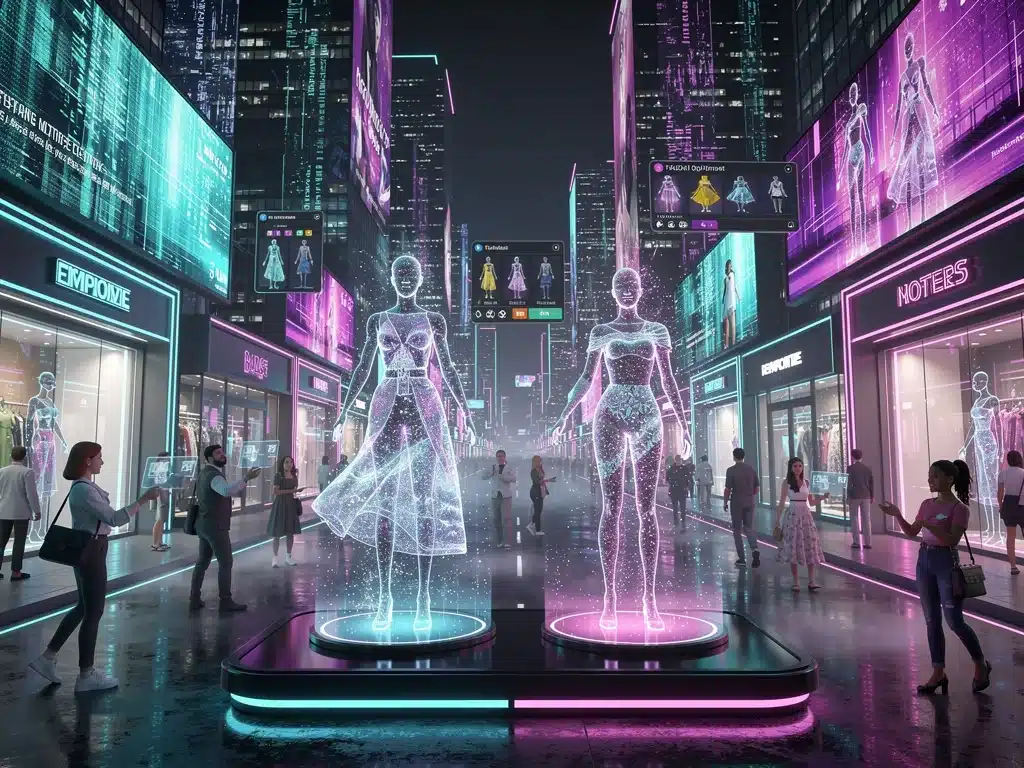
The metaverse represents a paradigm shift from a flat, two-dimensional internet to a three-dimensional, immersive digital realm. For fashion retail, this means moving beyond traditional online storefronts to interactive virtual environments where consumers can engage with brands and products in unprecedented ways.
This evolving digital landscape offers fashion brands a unique opportunity to expand their reach, experiment with design, and cultivate deeper relationships with their audience. It’s not just about selling digital twins of physical garments; it’s about creating entirely new forms of fashion expression that exist solely within virtual worlds.
What defines the metaverse for fashion?
At its core, the metaverse for fashion is characterized by several key elements that differentiate it from previous digital interactions. These elements contribute to its transformative potential and explain why it’s attracting such significant investment and attention from luxury and mainstream brands alike.
- Immersive Experiences: Users can attend virtual fashion shows, explore digital boutiques, and interact with products in a way that mimics real-world experiences, often enhanced by virtual reality (VR) and augmented reality (AR) technologies.
- Digital Ownership: Non-fungible tokens (NFTs) enable verifiable ownership of digital fashion items, creating scarcity and value within the metaverse economy.
- Personalized Avatars: Consumers can express their style through highly customizable avatars, dressing them in exclusive digital garments and accessories.
- Interoperability: The long-term vision includes the ability to transfer digital assets, including fashion, across different metaverse platforms, enhancing their utility and value.
The implications for fashion are profound, extending from product design and marketing to consumer engagement and sales. Brands are no longer limited by physical constraints, allowing for boundless creativity and rapid iteration in design. This new frontier promises to unlock significant growth by tapping into a digitally native consumer base eager for innovative experiences.
The rise of digital fashion and NFTs
Digital fashion, once a niche concept, has rapidly ascended to the forefront of the industry, driven largely by the metaverse and the advent of NFTs. These innovations have not only validated digital garments as legitimate forms of expression but have also created entirely new marketplaces and revenue streams for fashion brands.
The appeal of digital fashion lies in its versatility and sustainability. It allows for avant-garde designs that might be impractical or impossible in the physical world, offering a canvas for pure creative expression. Furthermore, it addresses growing consumer demand for environmentally conscious practices, as digital garments inherently have a lower carbon footprint than their physical counterparts.
NFTs: the new currency of style
NFTs have become integral to the digital fashion ecosystem, providing a secure and transparent way to establish ownership of unique digital assets. For fashion, this means that a digital dress, a virtual handbag, or a pair of metaverse sneakers can be owned, traded, and showcased with the same prestige as their physical equivalents.
- Authenticity and Scarcity: NFTs guarantee the authenticity and limited edition status of digital fashion items, fostering a sense of exclusivity.
- New Revenue Models: Brands can sell digital-only collections, collaborate with digital artists, and even offer fractional ownership of high-value virtual pieces.
- Community Building: NFT ownership can grant access to exclusive brand experiences, virtual events, or early access to new collections, strengthening brand loyalty.
The convergence of digital fashion and NFTs is not just about creating new products; it’s about building new economies and communities within the metaverse. This shift signals a future where a significant portion of fashion consumption and interaction will occur in virtual spaces, contributing directly to the projected growth in fashion retail.
Redefining consumer engagement in virtual worlds
The metaverse offers fashion brands unprecedented opportunities to engage with consumers in highly interactive and personalized ways, moving beyond the passive consumption of traditional e-commerce. This shift towards immersive experiences is crucial for capturing the attention of a new generation of digital-first consumers.
Instead of simply browsing static product images, consumers in the metaverse can virtually try on clothes, attend fashion shows from the comfort of their homes, and even co-create designs with their favorite brands. This level of engagement fosters a stronger emotional connection and a deeper sense of brand loyalty.
Interactive shopping experiences
Virtual storefronts in the metaverse are far more dynamic than their web-based predecessors. They can be designed to reflect a brand’s aesthetic in innovative ways, offering interactive elements and gamified experiences that make shopping an adventure rather than a chore.
- Virtual Try-Ons: AR and VR technologies allow users to see how digital garments look on their avatars or even themselves in real-time.
- Gamified Retail: Brands can integrate quests, challenges, and rewards into their virtual stores, encouraging exploration and increasing time spent within their digital ecosystems.
- Personalized Styling: AI-powered virtual stylists can offer tailored recommendations based on an avatar’s style, past purchases, and current trends within the metaverse.
This enhanced consumer engagement translates directly into increased brand visibility, higher conversion rates, and ultimately, significant growth for fashion retailers willing to invest in these new virtual frontiers. The metaverse is not just another sales channel; it’s a new dimension of brand storytelling and customer interaction.
New revenue streams and economic models
The metaverse is not merely a marketing tool for fashion brands; it is a fertile ground for developing entirely new revenue streams and economic models that complement existing physical and digital sales. This diversification of income sources is a key driver behind the projected 10% growth in fashion retail by 2026.
From selling exclusive digital-only collections to licensing intellectual property for use in metaverse games, the opportunities for monetization are vast and continue to evolve. Brands are exploring innovative ways to leverage their creative assets and brand equity in these emerging virtual economies.
Monetization strategies in the metaverse
Fashion brands are adopting a variety of strategies to generate revenue within the metaverse, each tailored to different aspects of the virtual ecosystem. These strategies often involve a blend of direct sales, experiential offerings, and partnerships.
- Digital Collectibles (NFTs): Selling unique digital garments, accessories, or art pieces as NFTs, often in limited editions, commanding premium prices.
- In-Game Skins and Wearables: Collaborating with popular metaverse platforms and games to create branded skins or wearables that users can purchase for their avatars.
- Virtual Event Ticketing: Hosting exclusive virtual fashion shows, concerts, or launch parties within the metaverse, with tickets sold as NFTs or through traditional means.
- Co-creation and Customization: Offering tools or platforms for users to design their own digital fashion items using brand assets, generating revenue through sales or licensing fees.
These new economic models allow brands to tap into a digitally native consumer base that is accustomed to purchasing virtual goods and experiences. The low production costs and global reach of the metaverse enable brands to experiment with new products and pricing strategies, accelerating growth and innovation in the fashion industry.
Challenges and opportunities for fashion brands
While the metaverse presents immense opportunities for growth in fashion retail, it also comes with its own set of challenges. Brands must navigate complex technological landscapes, evolving consumer expectations, and the need for significant initial investment to establish a meaningful presence.
However, for those willing to embrace these challenges, the rewards are substantial. Early adopters are already positioning themselves as leaders in this new frontier, gaining valuable insights and establishing brand loyalty among metaverse inhabitants. The key lies in strategic planning and a willingness to innovate.
Navigating the metaverse landscape
Successfully integrating into the metaverse requires more than just creating digital assets; it demands a deep understanding of virtual communities, platform specificities, and the unique dynamics of virtual economies.
- Technological Learning Curve: Brands need to invest in new skills and technologies, such as 3D design, blockchain integration, and virtual world development.
- Interoperability Issues: The lack of seamless interoperability between different metaverse platforms can fragment user experiences and limit the reach of digital assets.
- Brand Identity in Virtual Spaces: Translating a brand’s physical identity into a compelling and authentic virtual presence requires careful consideration and creative execution.
- Sustainability and Ethics: Addressing concerns around the environmental impact of blockchain technology and ensuring ethical practices in virtual commerce are crucial for long-term success.
Despite these hurdles, the opportunities for innovation, brand differentiation, and market expansion are too significant to ignore. The metaverse offers a chance to engage with consumers on a deeper level, foster creativity, and build a resilient future for fashion retail.
The future outlook: 10% growth by 2026
The projection of a 10% growth in fashion retail attributed to the metaverse by 2026 is not merely an optimistic forecast; it reflects a confluence of technological advancements, evolving consumer behaviors, and strategic investments by leading brands. This growth will be multifaceted, stemming from both direct digital sales and the indirect influence of metaverse presence on physical sales.
As virtual worlds become more sophisticated and accessible, the line between physical and digital fashion will continue to blur, creating a hybrid retail landscape. Brands that successfully integrate their metaverse strategies with their traditional operations will be best positioned to capitalize on this transformative period.
Key drivers of metaverse-driven growth
Several factors are converging to accelerate the metaverse’s impact on fashion retail, paving the way for substantial growth in the coming years.
- Increased Adoption of VR/AR: As VR and AR devices become more affordable and sophisticated, immersive metaverse experiences will become widely accessible, driving consumer engagement.
- Maturation of NFT Marketplaces: The continued development and mainstream acceptance of NFT marketplaces will facilitate easier buying, selling, and trading of digital fashion assets.
- Gen Z and Alpha Influence: These generations, growing up with digital identities and virtual interactions, are natural adopters of metaverse fashion, driving demand and innovation.
- Brand Investment and Innovation: Major fashion houses and emerging designers are increasingly investing in metaverse initiatives, pushing the boundaries of what’s possible in digital fashion.
The metaverse is not a fleeting trend but a fundamental evolution of the internet, and fashion retail is at the vanguard of this transformation. The projected growth underscores the immense potential for brands to redefine their business models, engage with consumers in novel ways, and unlock new dimensions of creativity and commerce.
| Key Aspect | Brief Description |
|---|---|
| Digital Fashion & NFTs | Verifiable ownership of unique virtual garments drives new market value. |
| Consumer Engagement | Immersive virtual experiences enhance brand interaction and loyalty. |
| New Revenue Streams | Sales of virtual goods, event tickets, and in-game wearables diversify income. |
| Growth Projection | Metaverse expected to contribute 10% growth to fashion retail by 2026. |
Frequently asked questions about metaverse fashion
Digital fashion refers to clothing and accessories designed exclusively for virtual environments, worn by avatars or used in augmented reality. It leverages technologies like 3D modeling and NFTs for unique ownership and expression within the metaverse.
NFTs provide verifiable digital ownership and scarcity for virtual fashion items, allowing brands to create exclusive collections and new revenue models. This fosters a sense of prestige and collectibility, similar to physical luxury goods.
Consumers can expect immersive experiences like virtual try-ons, attending digital fashion shows, exploring interactive brand spaces, and even co-creating designs. These engagements offer deeper personalization and entertainment than traditional online shopping.
Challenges include a steep technological learning curve, ensuring interoperability across platforms, effectively translating brand identity to virtual spaces, and addressing sustainability concerns related to blockchain technology. Strategic investment and innovation are crucial.
This growth is driven by increasing VR/AR adoption, maturing NFT markets, the influence of digital-native generations, and significant brand investments. The metaverse opens new monetization avenues and enhances global consumer engagement, expanding the overall market.
Conclusion
The metaverse is undeniably poised to be a transformative force in fashion retail, with a compelling projection of 10% growth by 2026. This digital evolution transcends mere technological novelty, representing a fundamental shift in how fashion is created, consumed, and experienced. By embracing digital fashion, NFTs, and immersive virtual experiences, brands can unlock unprecedented opportunities for creativity, consumer engagement, and revenue generation. While challenges in technology and strategy remain, the long-term outlook for a hybrid fashion ecosystem, where physical and digital realms converge, is incredibly promising, signaling a vibrant and innovative future for the industry.
