Decoding Gen Z’s 2026 Fashion: 3 Key Trends
Advertisements
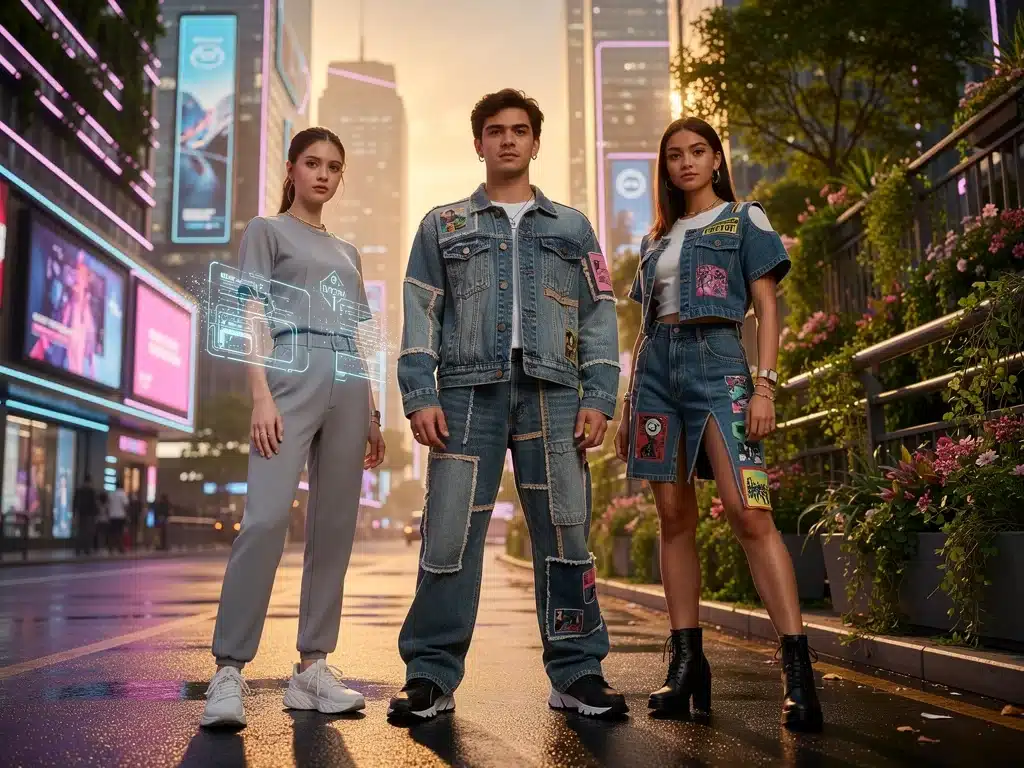
Gen Z’s 2026 fashion choices are profoundly influenced by three core trends: an unwavering commitment to sustainability, the pervasive impact of digital culture, and a deep-seated desire for authentic individual expression, collectively reshaping the retail landscape.
As we approach 2026, understanding the intricate layers of Gen Z’s evolving fashion landscape becomes paramount for brands and retailers alike. The generation poised to dominate consumer spending is not merely following trends; they are actively shaping them, driven by a unique confluence of values and digital fluency. This article delves into the critical factors decoding Gen Z’s 2026 fashion choices: 3 key trends driving consumer spending, offering insights into their preferences and the underlying motivations that dictate their purchasing power.
The rise of sustainable and ethical fashion
Gen Z’s commitment to environmental and social responsibility is not a fleeting fad; it’s a deeply ingrained value that significantly influences their fashion consumption. By 2026, this generation will demand more than just stylish clothing; they will seek transparency, ethical production, and a minimal environmental footprint. Brands that fail to adapt to these expectations risk losing a substantial market share.
This demographic is acutely aware of fashion’s impact on the planet, from water consumption in manufacturing to textile waste in landfills. Their purchasing decisions are increasingly guided by a brand’s dedication to sustainable practices, pushing companies towards more responsible production models. This shift isn’t just about eco-friendly materials; it encompasses the entire supply chain, from sourcing to disposal.
Circular economy and conscious consumption
The concept of a circular economy is gaining significant traction among Gen Z. This involves designing products for longevity, reuse, and recycling, minimizing waste and maximizing resource efficiency. For fashion, this means a move away from fast fashion’s disposable nature towards more durable, versatile, and repairable garments.
- Upcycling and repurposing: Gen Z embraces garments that have been given a second life, whether through DIY projects or brands specializing in upcycled collections.
- Rental and resale platforms: The popularity of clothing rental services and online consignment stores is skyrocketing, allowing Gen Z to access diverse styles without contributing to overconsumption.
- Durability and quality: There’s a growing preference for high-quality, long-lasting pieces over cheaper, trend-driven items that quickly fall apart.
Transparency and ethical sourcing
Gen Z wants to know the story behind their clothes. They are not afraid to research a brand’s labor practices, material origins, and environmental policies. Companies that offer clear, verifiable information about their supply chain build trust and loyalty with this discerning consumer group.
Ethical sourcing extends beyond just environmental concerns to include fair labor practices. Gen Z is vocal about supporting brands that ensure fair wages, safe working conditions, and no exploitation throughout their production processes. This holistic approach to ethical consumption is a cornerstone of their fashion choices in 2026.
In essence, sustainable and ethical fashion is no longer a niche market but a mainstream expectation for Gen Z. Brands that authentically integrate these values into their core operations, rather than simply greenwashing, will be the ones that thrive.
The influence of digital culture and virtual fashion
Gen Z is the first generation to grow up entirely immersed in a digital world, and this digital fluency profoundly shapes their fashion choices. Social media, gaming, and the metaverse are not just platforms for entertainment; they are integral spaces for self-expression and style experimentation. Virtual fashion, once a novelty, is rapidly becoming a significant aspect of their sartorial identity.
From avatars dressed in designer virtual clothing to augmented reality (AR) filters that allow them to ‘try on’ outfits, the lines between physical and digital fashion are blurring. This digital influence extends to how they discover trends, interact with brands, and ultimately make purchasing decisions.
Social media as the primary trend driver
TikTok, Instagram, and other platforms are the new runways. Gen Z discovers trends, fashion inspiration, and product recommendations directly from influencers, peers, and niche communities. The speed at which trends emerge and evolve on these platforms is unprecedented, demanding agility from brands.
Micro-trends, often born from viral challenges or aesthetic movements, can explode overnight, influencing purchasing patterns. Brands that successfully engage with these platforms, collaborating with relevant creators and understanding the nuances of digital aesthetics, gain a significant advantage.
Gaming and the metaverse: new fashion frontiers
The metaverse represents an entirely new dimension for fashion. Gen Z spends significant time in virtual worlds, where their digital identity is as important as their physical one. Dressing their avatars in unique and expressive ways is a form of self-expression, leading to a burgeoning market for digital clothing.
- NFT fashion: Non-fungible tokens (NFTs) are enabling ownership of unique digital garments, creating a collector’s market for virtual couture.
- Virtual try-ons: AR technology allows consumers to virtually try on clothing before purchasing, enhancing the online shopping experience and reducing returns.
- Brand collaborations in games: Fashion brands are partnering with popular games to create exclusive skins and virtual collections, reaching Gen Z where they already spend their time.
Personalized digital experiences
Gen Z expects highly personalized experiences, both online and offline. In the digital realm, this translates to tailored recommendations, interactive content, and opportunities to co-create or customize products. Brands leveraging AI and data to offer hyper-personalized digital fashion experiences will capture Gen Z’s attention.
The digital landscape is not just a marketing channel; it’s an extension of Gen Z’s identity and a critical space for their fashion exploration. Brands that embrace virtual fashion and integrate digital experiences seamlessly into their strategy will resonate deeply with this digitally native generation.
Individual expression and authentic style
While influenced by trends and digital culture, Gen Z ultimately prioritizes individual expression. They reject rigid fashion rules and embrace a fluid, personalized approach to style. Authenticity is key; they value brands that celebrate diversity, inclusivity, and provide platforms for genuine self-expression. Their fashion choices are a powerful statement of who they are and what they stand for.
This generation is less concerned with fitting into predefined categories and more focused on curating a wardrobe that reflects their unique personality, values, and experiences. This often leads to eclectic mixes of styles, eras, and influences, creating a truly original aesthetic.
Fluidity and gender-neutral fashion
Traditional gender boundaries in fashion are increasingly irrelevant to Gen Z. They are drawn to gender-neutral clothing and styles that allow for greater freedom of expression, moving beyond binary classifications. This shift encourages brands to design more inclusive collections that appeal to a broader audience.
The emphasis is on comfort, versatility, and personal preference, rather than conforming to societal expectations of how different genders ‘should’ dress. This fluidity is a hallmark of Gen Z’s approach to personal style.
Niche aesthetics and subcultures
Instead of broad, overarching trends, Gen Z often gravitates towards niche aesthetics and subcultures, often discovered and amplified on platforms like TikTok and Tumblr. These micro-communities provide a sense of belonging and a shared visual language for expressing identity.
- Cottagecore and Dark Academia: These aesthetics, for example, offer distinct visual styles and values that resonate with specific segments of Gen Z.
- Vintage and thrifted finds: Incorporating unique, one-of-a-kind vintage pieces is a popular way to personalize an outfit and stand out from the crowd.
- Customization and DIY: Personalizing garments through embroidery, painting, or deconstruction allows Gen Z to put their unique stamp on their clothing.
Storytelling and values alignment
Gen Z connects with brands that have a compelling story and align with their values. They seek authentic narratives, not just marketing ploys. Brands that genuinely champion causes important to this generation, such as social justice or mental health awareness, build deeper connections.
Their clothing choices are often a reflection of their identity and beliefs, making them discerning consumers who look beyond the product itself to the ethos of the brand. Brands that authentically communicate their values and provide avenues for individual expression will thrive in this environment.
Ultimately, individual expression and authentic style are at the heart of Gen Z’s fashion philosophy. They seek clothing that allows them to tell their own story, unconstrained by traditional norms, and brands that facilitate this will earn their loyalty.
The intersection of comfort and style
For Gen Z, comfort is no longer sacrificed for style; the two are inextricably linked. The pandemic accelerated a shift towards more relaxed silhouettes and versatile pieces, but for Gen Z, this was already a growing preference. They seek clothing that allows for ease of movement and suits their dynamic lifestyles, without compromising on aesthetic appeal.
This trend manifests in a preference for soft fabrics, oversized fits, and multi-functional garments that can transition seamlessly from lounging at home to social outings. The rigid structures of traditional formalwear are often replaced by smart casual or elevated loungewear.
Athleisure’s continued dominance
Athleisure wear, combining athletic and leisure apparel, remains a cornerstone of Gen Z’s wardrobe. Its versatility, comfort, and stylish appeal make it ideal for their active and often informal lifestyles. This includes everything from high-performance activewear to stylish hoodies and tracksuits that can be dressed up or down.
Brands continue to innovate within the athleisure space, introducing new fabrics, sustainable materials, and design elements that cater to both performance and fashion sensibilities. The integration of technology into athleisure, such as moisture-wicking or temperature-regulating fabrics, further enhances its appeal.
Work-from-anywhere wardrobes
With the rise of hybrid work models and remote learning, Gen Z’s wardrobe needs to be adaptable. They require clothing that looks presentable for video calls but is comfortable enough for extended periods at home. This has led to a demand for ‘smart casual’ pieces that blur the lines between professional and relaxed attire.
- Elevated basics: High-quality, well-fitting t-shirts, sweaters, and classic trousers form the foundation of their versatile wardrobes.
- Co-ord sets: Matching tops and bottoms offer an effortlessly put-together look that is both stylish and comfortable.
- Versatile outerwear: Jackets and blazers that can instantly elevate a casual outfit are highly valued.
Footwear focused on function and fashion
Footwear for Gen Z also reflects this blend of comfort and style. Sneakers continue to dominate, with a strong emphasis on innovative designs, sustainable materials, and collaborative drops. However, comfortable yet chic loafers, chunky boots, and ergonomic sandals are also gaining popularity, offering alternatives that prioritize both aesthetic and well-being.
The rise of ergonomic designs and supportive footwear, often incorporating advanced technology, underscores Gen Z’s desire for shoes that feel as good as they look. This focus on functional design, combined with strong visual appeal, defines their footwear preferences.
Ultimately, Gen Z’s fashion choices in 2026 demonstrate a clear preference for clothing that supports their lifestyle, offering comfort without sacrificing personal style. Brands that can deliver innovative, comfortable, and versatile pieces will resonate strongly with this consumer group.
The impact of social consciousness on brand loyalty
Beyond product attributes, Gen Z’s brand loyalty is heavily influenced by a company’s social consciousness. They expect brands to take a stand on important issues, demonstrate ethical leadership, and contribute positively to society. This goes beyond simple corporate social responsibility initiatives; it’s about authentic engagement and alignment with their values.
Brands that are perceived as performative or insincere in their social efforts will quickly lose credibility with this discerning generation. Gen Z uses their purchasing power as a form of activism, choosing to support companies that reflect their worldview and actively work towards a better future.
Diversity, equity, and inclusion (DEI)
Gen Z demands genuine representation and inclusivity in fashion. This means diverse models, adaptive clothing options, and campaigns that celebrate all body types, ethnicities, and identities. Brands that truly embody DEI principles in their marketing, hiring, and product development will earn Gen Z’s trust.
They are quick to call out brands that lack diversity or engage in tokenism, highlighting the importance of authentic representation. In 2026, a brand’s commitment to DEI will be a non-negotiable factor in attracting and retaining Gen Z customers.
Environmental advocacy and activism
As previously mentioned, environmental concerns are paramount for Gen Z. They expect brands to be active participants in environmental advocacy, not just by adopting sustainable practices within their own operations, but by using their platform to raise awareness and drive change. This could include supporting environmental charities, lobbying for policy changes, or engaging in public education campaigns.
Brands that demonstrate a deep, proactive commitment to planetary well-being, rather than just reacting to pressure, will solidify their relationship with this environmentally conscious generation. Their actions speak louder than their words.
Ethical labor and supply chain transparency
The human cost of fashion is a significant concern for Gen Z. They want assurances that the clothes they buy are made under fair and ethical conditions, free from exploitation. This drives demand for complete transparency across the supply chain, from the raw materials to the finished garment.
Brands that can provide clear evidence of ethical labor practices, fair wages, and safe working environments will gain a competitive edge. Certifications and third-party audits can help build trust, but authentic communication and a genuine commitment to worker welfare are crucial.
In conclusion, Gen Z’s brand loyalty is a complex interplay of product quality, style, and profound social consciousness. Brands that genuinely align with their values, demonstrate ethical leadership, and actively contribute to a more equitable and sustainable world will be the ones that capture their hearts and their wallets in 2026.
The role of technology in enhancing the fashion experience
Technology isn’t just influencing Gen Z’s fashion choices; it’s transforming the entire fashion experience. From personalized shopping to immersive virtual try-ons, digital innovations are making fashion more accessible, interactive, and engaging. Brands that leverage technology creatively are providing value beyond the physical product, deepening their connection with this tech-savvy generation.
This integration of technology extends across the entire customer journey, from discovering new styles to purchasing and even post-purchase engagement. It’s about creating a seamless, personalized, and exciting experience that resonates with Gen Z’s digital-first mindset.
AI-powered personalization and recommendations
Artificial intelligence (AI) is playing a crucial role in personalizing the fashion experience for Gen Z. AI-powered algorithms analyze their browsing history, past purchases, and style preferences to offer highly curated recommendations, making the shopping process more efficient and enjoyable.
Beyond just product suggestions, AI can also help Gen Z discover new brands, stylists, and trends that align with their evolving tastes. This level of personalization creates a sense of being understood and catered to, fostering loyalty.
Augmented reality (AR) and virtual try-on
AR technology is revolutionizing how Gen Z interacts with clothing before making a purchase. Virtual try-on features, accessible via smartphones or smart mirrors, allow them to see how garments look on their own bodies without physically trying them on. This not only enhances convenience but also reduces uncertainty in online shopping.
- Reduced returns: By providing a more accurate preview, AR can significantly decrease the rate of product returns, benefiting both consumers and brands.
- Interactive engagement: AR filters and experiences make shopping a more playful and engaging activity, appealing to Gen Z’s desire for interactive content.
- Accessibility: Virtual try-ons make fashion more accessible to individuals who may have difficulty shopping in physical stores.
Blockchain for transparency and authenticity
Blockchain technology offers a powerful solution for addressing Gen Z’s demand for transparency and authenticity. By creating immutable records of a garment’s journey from raw material to retail, blockchain can verify ethical sourcing, sustainable practices, and product authenticity.
This technology can provide consumers with detailed information about their clothing’s origins, environmental impact, and labor conditions, building unparalleled trust. For Gen Z, who value transparency above all, blockchain offers a level of verification that traditional methods cannot match.
The strategic adoption of technology is not just about efficiency; it’s about creating richer, more trustworthy, and more personalized fashion experiences for Gen Z. Brands that embrace these innovations will be at the forefront of the industry in 2026.
The evolving retail landscape and experiential shopping
The traditional retail model is undergoing a significant transformation to cater to Gen Z’s preferences. While online shopping is undeniably crucial, physical retail is far from dead; it’s evolving into an experiential hub. Gen Z seeks more than just transactions; they desire engaging, dynamic, and community-focused shopping experiences that blend the digital and physical worlds.
This means stores are becoming spaces for discovery, interaction, and brand immersion, offering unique events, personalized services, and opportunities for social connection. The future of retail for Gen Z is about creating memorable moments.
Phygital experiences: blending online and offline
The concept of ‘phygital’ retail, where physical and digital elements seamlessly merge, is key to attracting Gen Z. This could involve in-store AR experiences, interactive digital displays, or online ordering with in-store pickup options. The goal is to provide a consistent and integrated brand experience across all touchpoints.
Click-and-collect services, in-store tech solutions for product discovery, and virtual styling appointments are examples of how brands are blurring the lines to enhance convenience and engagement for Gen Z.
Community and co-creation spaces
Gen Z values community and opportunities for co-creation. Retail spaces are transforming into community hubs where customers can attend workshops, participate in events, or even co-design products. This fosters a sense of belonging and allows Gen Z to actively engage with the brand beyond purchasing.
- Pop-up shops and collaborations: Temporary retail experiences and partnerships with other brands or artists generate excitement and exclusivity.
- Personal styling services: Offering personalized styling sessions, either in-person or virtually, adds value and builds customer relationships.
- Repair and customization stations: Providing services to repair or customize garments aligns with Gen Z’s sustainability values and desire for individuality.
Authentic brand storytelling in physical spaces
Physical stores offer an unparalleled opportunity for authentic brand storytelling. Instead of just displaying products, stores can be designed to convey a brand’s ethos, values, and narrative through immersive displays, interactive installations, and curated experiences. This allows Gen Z to connect with the brand on a deeper, emotional level.
From the store’s aesthetic to the music played and the staff’s engagement, every element contributes to the overall brand experience. Brands that create compelling narratives within their physical spaces will resonate strongly with Gen Z’s desire for authenticity and meaning.
The evolving retail landscape for Gen Z is dynamic and exciting. Brands that innovate by creating engaging, community-focused, and phygital experiences will be well-positioned to capture the attention and loyalty of this influential consumer group in 2026.
| Key Trend | Brief Description |
|---|---|
| Sustainable & Ethical Fashion | Gen Z prioritizes eco-friendly materials, circular economy practices, and transparent, ethical supply chains in their clothing choices. |
| Digital Culture & Virtual Fashion | Social media, gaming, and the metaverse heavily influence Gen Z’s style, driving demand for virtual try-ons and digital garments. |
| Individual Expression & Authentic Style | Gen Z rejects rigid fashion rules, favoring fluid, personalized styles, niche aesthetics, and brands that celebrate diversity and authenticity. |
| Comfort & Style Intersection | Their fashion choices prioritize comfort, versatility, and functionality, reflected in the continued dominance of athleisure and adaptable wardrobes. |
Frequently Asked Questions about Gen Z Fashion
Gen Z’s fashion choices are predominantly driven by their commitment to sustainability, the pervasive influence of digital culture including virtual fashion, and a strong desire for authentic individual expression. These core values shape their purchasing decisions and brand loyalty.
Sustainability significantly impacts Gen Z’s spending as they prioritize brands with ethical production, transparent supply chains, and eco-friendly materials. They actively seek out upcycled items, participate in rental/resale, and prefer durable, high-quality garments to reduce environmental impact.
Digital culture, encompassing social media, gaming, and the metaverse, is crucial. It influences trend discovery, fosters virtual fashion identities, and drives demand for AR try-ons and NFT garments. Brands engaging digitally and offering personalized online experiences resonate most.
Individual expression is vital because Gen Z rejects traditional fashion norms, opting for fluid, personalized styles that reflect their unique identity and values. They embrace niche aesthetics, gender-neutral clothing, and customization, seeking authenticity over conformity in their wardrobe choices.
Brands are adapting by prioritizing sustainability, investing in phygital retail experiences, embracing digital fashion and AI personalization, and fostering inclusive marketing. They focus on authentic storytelling and aligning with Gen Z’s social values to build loyalty and engagement.
Conclusion
The fashion landscape for Gen Z in 2026 is a dynamic tapestry woven with threads of sustainability, digital innovation, and profound individual expression. This generation is not just buying clothes; they are investing in values, experiences, and identities. Brands that truly understand and authentically respond to their demands for ethical production, immersive digital engagement, and spaces for genuine self-expression will be the ones that thrive. The future of fashion lies in embracing these core tenets, moving beyond fleeting trends to build meaningful connections with a generation that is redefining what it means to be stylish and responsible.
