Gen Z’s Audio Storytelling Surge: 20% Increase in 6 Months
Advertisements
A new study reveals a significant 20% increase in audio storytelling consumption among Gen Z in the last six months, indicating a substantial shift in media engagement.
A groundbreaking new study shows a remarkable 20% increase in audio storytelling consumption among Gen Z in the last 6 months, signaling a pivotal shift in how this influential demographic engages with narratives and information. This surge isn’t just a fleeting trend; it reflects deeper changes in media preferences and consumption habits. What does this mean for content creators, marketers, and the future of digital communication?
The rise of Gen Z and audio narratives
Gen Z, often characterized by their digital native status and preference for on-demand content, is increasingly turning to audio storytelling as a primary source of entertainment and information. This recent 20% surge in consumption over a mere six-month period is a testament to the growing appeal and accessibility of formats like podcasts, audio dramas, and narrated articles. It suggests a demographic eager for immersive experiences that fit seamlessly into their dynamic lifestyles.
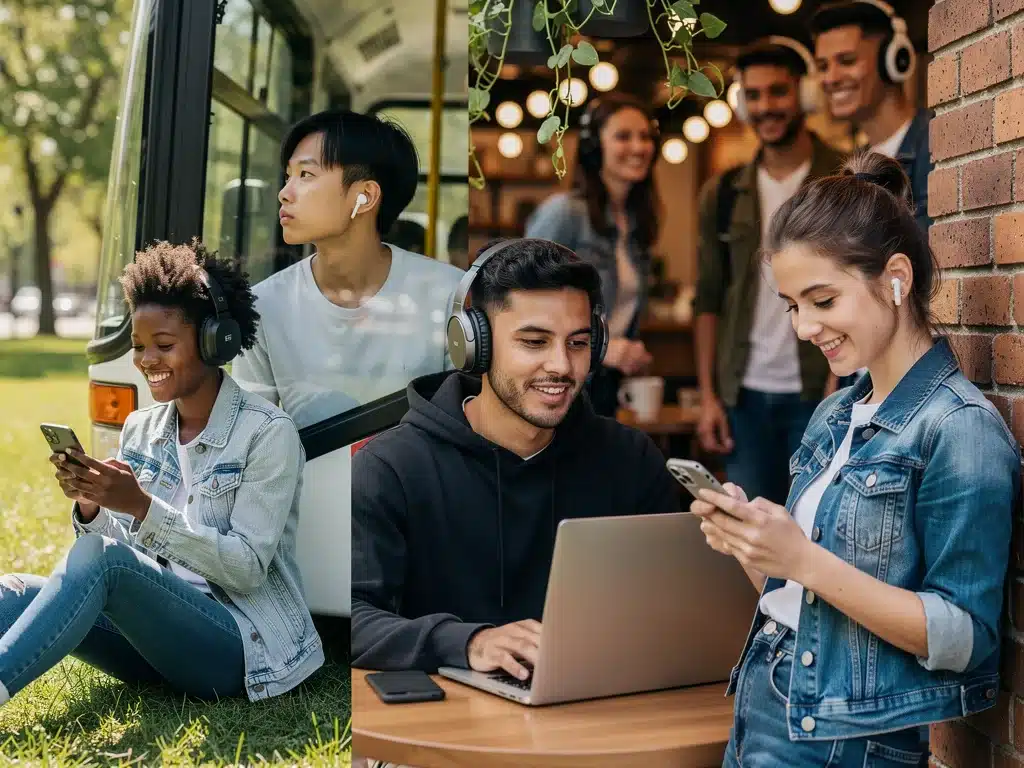
The ubiquity of smartphones and affordable wireless headphones has democratized audio content, making it easier than ever for young people to plug in and tune out the noise of the physical world, or augment their daily activities with rich narratives. This convenience, coupled with the intimate nature of audio, creates a powerful draw for a generation constantly seeking authentic connections and personalized experiences.
Accessibility and convenience as key drivers
One of the most significant factors contributing to this trend is the unparalleled accessibility and convenience that audio content offers. Unlike video, which demands visual attention, audio can be consumed while multitasking, making it ideal for Gen Z’s busy schedules.
- Multitasking compatibility: Listen while commuting, exercising, or doing chores.
- Reduced screen fatigue: Offers a break from constant visual stimulation.
- On-demand availability: Access content anytime, anywhere.
- Diverse content offerings: A wide range of genres and topics catering to niche interests.
The ability to integrate storytelling into their daily routines without requiring dedicated screen time has made audio an indispensable part of their media diet. This flexibility resonates deeply with Gen Z’s desire for efficiency and their constant pursuit of knowledge and entertainment on their own terms.
Understanding Gen Z’s media consumption habits
Gen Z’s media consumption is distinct from previous generations, marked by a preference for short-form, authentic, and highly personalized content. However, this new study indicates a nuanced evolution, showing that longer-form audio storytelling is gaining significant traction. They are not just passively consuming; they are actively seeking out narratives that resonate with their values and provide depth beyond superficial scrolls.
Their digital fluency means they are adept at navigating various platforms, easily switching between social media, streaming services, and audio apps. This fluid approach to media consumption allows them to curate a highly personalized content ecosystem, where audio storytelling plays a crucial role in delivering deeper engagement and intellectual stimulation.
The search for authenticity and connection
Gen Z values authenticity above all else. They are wary of overly polished or corporate content, preferring raw, genuine voices and perspectives. Audio storytelling, particularly podcasts, often embodies this authenticity, offering a direct and unfiltered connection between creator and listener.
The intimate nature of listening to someone’s voice, often in a conversational tone, fosters a sense of trust and connection that is harder to achieve through other media. This personal touch allows for a deeper emotional engagement, making the storytelling experience more impactful and memorable for young listeners.
Impact on content creators and marketers
The substantial increase in Gen Z’s audio storytelling consumption presents both challenges and unparalleled opportunities for content creators and marketers. Understanding this demographic’s preferences is paramount to developing successful strategies that capture and retain their attention. Simply repurposing existing content won’t suffice; a tailored approach is necessary.
Content creators need to focus on producing high-quality, engaging audio narratives that speak directly to Gen Z’s interests and values. This includes exploring diverse genres, experimenting with innovative formats, and ensuring authenticity in every production. Marketers, on the other hand, must rethink their advertising strategies, moving beyond traditional visual ads to integrate seamlessly into the audio landscape, perhaps through native advertising or sponsored content that adds value rather than disrupts the listening experience.
Strategies for engaging Gen Z through audio
To effectively engage Gen Z, creators and marketers must adopt specific strategies that align with their unique consumption patterns and preferences. This involves not only understanding what they listen to but also how they discover and interact with audio content.
- Niche content development: Focus on specific interests, subcultures, and communities.
- Interactive elements: Incorporate listener polls, Q&A segments, or community discussions.
- Multi-platform distribution: Ensure content is available on popular audio apps and social media.
- Influencer collaborations: Partner with audio personalities and creators Gen Z trusts.
Building a strong community around audio content is also vital. Gen Z thrives on connection and shared experiences, so fostering platforms where listeners can discuss, share, and contribute to the narrative can significantly enhance engagement and loyalty.
The evolving landscape of audio technology
Technological advancements have played a pivotal role in the surge of audio storytelling consumption. From improved sound quality and noise-canceling headphones to sophisticated recommendation algorithms, technology continues to enhance the listening experience. These innovations make audio more immersive, personalized, and accessible, driving further adoption among Gen Z.
The integration of audio into smart devices, such as smart speakers and wearables, also contributes to its growing popularity. This allows for hands-free listening and easier access to content, further embedding audio into the fabric of daily life. As technology continues to evolve, we can expect even more seamless and engaging audio experiences, solidifying its place in Gen Z’s media consumption habits.
Innovation in audio formats and production
The innovation isn’t limited to hardware; software and production techniques are also advancing rapidly. Binaural audio, immersive soundscapes, and dynamic ad insertion are just a few examples of how creators are pushing the boundaries of what’s possible in audio storytelling.
These innovations allow for more sophisticated and engaging narratives, transforming passive listening into an active, almost tangible experience. The ability to create rich, detailed audio worlds captivates Gen Z, who are always looking for novel and high-quality content experiences.
Educational and personal development aspects
Beyond entertainment, Gen Z is also leveraging audio storytelling for educational purposes and personal development. Podcasts covering topics from mental health and financial literacy to current events and historical analyses are gaining significant traction. This reflects a generation that is proactive in seeking knowledge and self-improvement, often preferring auditory learning methods.
The flexibility of audio allows them to learn on the go, turning otherwise unproductive time into opportunities for growth. This trend suggests that educational institutions and personal development platforms should consider integrating more audio-centric content to meet the demands of this digitally astute generation.
Audio as a tool for lifelong learning
For Gen Z, learning isn’t confined to traditional classrooms. Audio storytelling provides a continuous, accessible platform for lifelong learning, enabling them to explore new subjects and deepen their understanding of complex topics at their own pace.
- Expert interviews: Access to insights from leaders in various fields.
- In-depth analyses: Detailed explorations of current affairs and academic subjects.
- Skill development: Guides and tutorials for practical skills.
- Personal growth narratives: Stories and advice on well-being and self-improvement.
This embrace of audio for educational content highlights a shift towards more autonomous and self-directed learning, where individuals curate their own educational journeys based on personal interests and career goals.
Future outlook for audio storytelling and Gen Z
The 20% increase in audio storytelling consumption among Gen Z is not an anomaly but a strong indicator of future trends in media. As this generation matures and their purchasing power grows, their influence on the media landscape will only intensify. We can anticipate further innovation in audio content, more sophisticated monetization models, and a continued diversification of formats.
The intimate, flexible, and authentic nature of audio storytelling aligns perfectly with Gen Z’s values and lifestyle. This trend will likely encourage more investment in audio production, attracting more talent and leading to even higher quality content. The future of media will undoubtedly have a strong audio component, with Gen Z at the forefront of this evolution.
The continued growth of audio storytelling will also push boundaries in terms of how narratives are constructed and delivered. Expect more experimental formats, integration with emerging technologies like AI, and personalized audio experiences that adapt to individual listener preferences. This dynamic evolution ensures that audio will remain a vibrant and essential part of the digital media ecosystem for years to come.
| Key Trend | Brief Description |
|---|---|
| Gen Z Audio Surge | 20% increase in audio storytelling consumption among Gen Z in the past 6 months. |
| Accessibility & Convenience | Audio allows multitasking and reduces screen fatigue, fitting busy Gen Z lifestyles. |
| Authenticity & Connection | Gen Z values genuine voices and direct engagement found in audio narratives. |
| Educational Use | Audio storytelling is increasingly used for learning and personal development by Gen Z. |
Frequently Asked Questions About Gen Z and Audio Storytelling
The primary drivers are accessibility, convenience, and the ability to multitask. Audio content fits seamlessly into Gen Z’s active lifestyles, allowing them to consume narratives while engaging in other activities, alongside a preference for authentic and intimate content.
Podcasts, audio dramas, and narrated articles are highly popular. Gen Z gravitates towards content that offers in-depth exploration of niche topics, personal development, and authentic voices, covering everything from current events to mental health and entertainment.
Content creators need to focus on producing high-quality, authentic audio narratives tailored to Gen Z’s interests. Marketers should consider native advertising and sponsored content that integrates seamlessly into audio experiences, moving beyond traditional visual ad formats.
Absolutely. Many Gen Z individuals use audio storytelling for educational purposes and personal development. Podcasts on subjects like financial literacy, history, and scientific discoveries offer a flexible way to learn and grow outside traditional academic settings.
The future looks promising, with continued growth and innovation. Expect more diverse content, advanced audio technologies, and increased integration into daily life. Gen Z’s preferences will likely drive further investment and creativity in the audio content industry.
Conclusion
The striking 20% increase in audio storytelling consumption among Gen Z in the last 6 months underscores a fundamental shift in media engagement. This demographic, renowned for its digital fluency, is actively seeking out immersive, authentic, and convenient ways to consume narratives, information, and educational content. This trend is not merely a passing fad but a robust indication of how future generations will interact with media. For content creators, marketers, and technology developers, understanding and adapting to these evolving preferences will be crucial for sustained relevance and success in the dynamic digital landscape. The intimate and flexible nature of audio storytelling positions it as an indispensable medium for connecting with Gen Z, fostering both entertainment and profound personal growth.
