Storytelling for the Ears: 9 Engaging Audio Narrative Techniques 2026
Advertisements
Engaging audio narratives in 2026 demand a blend of innovative techniques, from sophisticated soundscapes and authentic voice acting to interactive elements and audience-centric approaches, ensuring a truly immersive listening experience for content creators.
In the rapidly evolving landscape of digital content, mastering audio narrative techniques is becoming increasingly vital. As audiences seek more immersive and intimate experiences, the power of sound to captivate, transport, and inform has never been more pronounced. This article delves into nine essential strategies for crafting compelling audio narratives in 2026, designed to resonate deeply with listeners and elevate your content.
The foundational elements of audio storytelling
At its core, audio storytelling leverages sound to paint pictures in the listener’s mind, creating an intimate connection that visual media often struggles to replicate. It’s about more than just words; it’s about the entire auditory experience. Understanding the basic building blocks is crucial before diving into advanced techniques.
Effective audio narratives begin with a strong concept and a clear understanding of the story you want to tell. This involves defining characters, setting, and plot, just as in traditional storytelling, but with an added emphasis on how these elements translate into sound. The listener’s imagination becomes a powerful co-creator.
Crafting compelling narratives
A compelling narrative isn’t just about what happens; it’s about how it feels and how it’s revealed. In audio, this means carefully considering pacing, tension, and emotional arcs. The absence of visual cues places a greater burden on vocal performance and sound design to convey nuances.
- Character development: Give characters distinct voices and personalities that come alive through dialogue and intonation.
- Pacing and rhythm: Control the flow of information and emotional intensity through variations in speech speed and sound events.
- Emotional resonance: Use sound and voice to evoke specific feelings and connect with the listener on a deeper level.
The conclusion of any audio narrative section should reinforce the idea that strong foundational elements are not just about technical execution, but about deeply understanding the human connection that sound can foster. It’s the bedrock upon which all engaging audio experiences are built.
Mastering immersive sound design
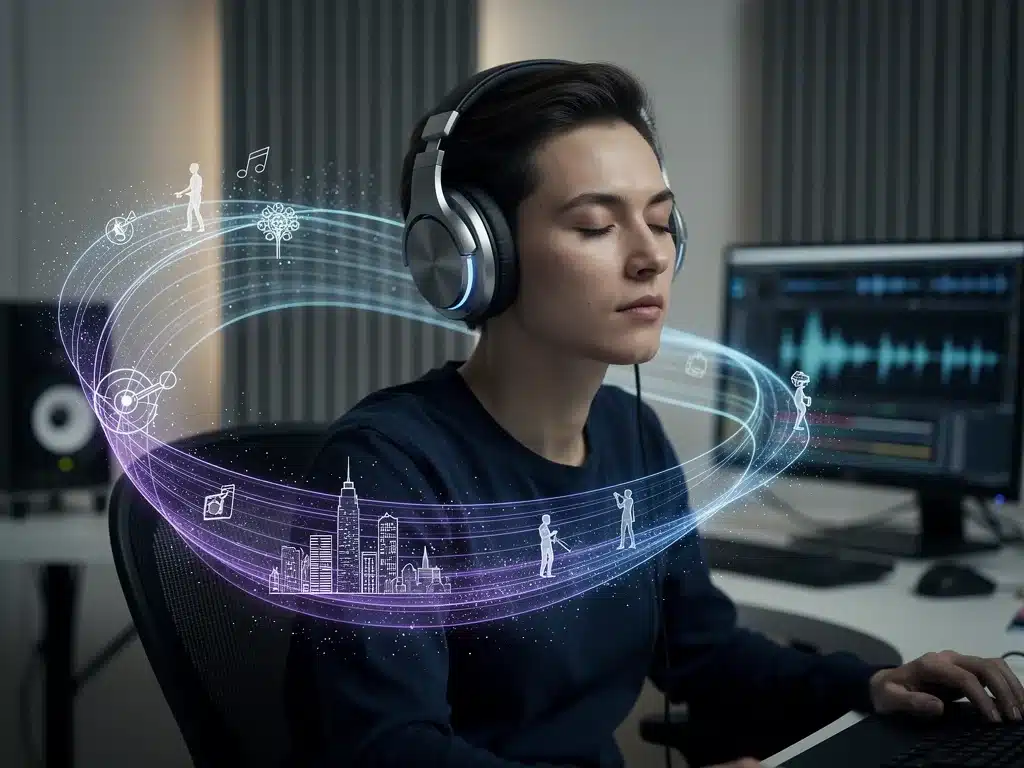
Immersive sound design is perhaps the most powerful tool in the audio storyteller’s arsenal. It transforms a simple recording into a rich, three-dimensional world that envelops the listener. This technique moves beyond mere background noise, actively shaping the narrative and emotional landscape.
Creating an immersive experience involves thoughtful layering of ambient sounds, spot effects, and musical cues. Each element must serve a purpose, either to establish a setting, highlight an action, or underscore an emotion. The goal is to make the listener feel as if they are present within the story, not merely observing it from afar.
Techniques for spatial audio
With advancements in audio technology, spatial audio is becoming more accessible, allowing creators to place sounds in a 360-degree environment. This can dramatically enhance the feeling of immersion, making footsteps sound like they’re approaching from behind or a conversation feel like it’s happening right next to the listener.
- Binaural recording: Utilizes a specialized microphone setup to capture sound as a human ear would hear it, creating a realistic sense of space.
- Object-based audio: Allows individual sound elements to be positioned and moved independently within a virtual soundstage.
- Reverb and delay: Strategic use of these effects can simulate different acoustic environments, from a vast cavern to a cozy room.
Effective immersive sound design doesn’t just fill space; it tells a story, guiding the listener’s attention and deepening their emotional engagement. It’s about crafting an auditory experience that is as rich and detailed as any visual depiction, making the imagined world as real as possible.
The art of voice acting and narration
The human voice is the primary vehicle for delivering narratives in audio, making voice acting and narration critical components of engaging storytelling. A skilled voice artist can imbue characters with life and convey complex emotions, transforming written words into a dynamic auditory performance.
Beyond simply reading a script, effective voice acting involves understanding subtext, character motivations, and the overall tone of the narrative. It’s about performance, not just recitation, ensuring that every line contributes to the emotional and narrative arc of the story.
Bringing characters to life
Each character in an audio narrative should possess a unique vocal identity. This isn’t just about different accents or pitches, but about the subtle inflections, breathing patterns, and speech cadences that define an individual. A narrator, too, must find a distinctive voice that guides the listener without overpowering the story.
- Emotional range: The ability to convey a wide spectrum of emotions authentically through vocal delivery.
- Vocal consistency: Maintaining a character’s unique voice and mannerisms throughout the entire narrative.
- Pacing and delivery: Adjusting speech speed and pauses to heighten tension, convey urgency, or emphasize key information.
Ultimately, the art of voice acting and narration lies in its ability to forge a direct, personal connection with the listener, making the narrative feel like a conversation or an intimate revelation. It’s the human element that breathes life into the soundscape.
Integrating music and sonic branding
Music in audio narratives goes far beyond background filler; it’s a powerful emotional amplifier and a crucial component of sonic branding. When used effectively, music can set the mood, foreshadow events, and create memorable associations with your content, distinguishing it in a crowded audio landscape.
The strategic integration of music involves selecting pieces that complement the narrative’s tone and pacing, rather than distracting from it. Think of music as another character in the story, subtly influencing the listener’s perception and emotional response.
Developing a signature sound
Sonic branding extends to creating a recognizable auditory identity for your podcast or audio series. This includes intros, outros, transition sounds, and recurring musical motifs that instantly signal to the listener that they are engaging with your specific content. Consistency here builds recognition and loyalty.
- Theme music: A memorable, evocative piece that encapsulates the essence of your narrative or brand.
- Underscoring: Subtle musical cues that enhance emotional moments without drawing undue attention.
- Sound logos: Short, distinctive audio signatures that brand your content, similar to a visual logo.
The thoughtful integration of music and the development of a unique sonic brand are essential for creating an engaging and recognizable audio experience. These elements work together to deepen emotional impact and foster a lasting connection with the audience.
Utilizing silence and pacing effectively
In audio storytelling, what isn’t said or heard can be just as powerful as what is. Silence, when used intentionally, can build tension, allow for reflection, or emphasize a crucial moment. Pacing, the speed at which the narrative unfolds, directly impacts listener engagement and comprehension.
Many novice audio creators feel the need to constantly fill every second with sound or dialogue. However, a master storyteller understands the impact of strategic pauses and varied rhythms. This deliberate use of silence and pacing creates a dynamic listening experience that keeps the audience hooked.
The power of the pause
A well-placed pause can allow a dramatic revelation to sink in, create suspense before an important event, or simply provide a moment of quiet contemplation. It gives the listener’s imagination space to work, making them an active participant in the story’s construction.
- Dramatic pauses: Used to heighten tension or emphasize a significant statement.
- Reflective silences: Allow the listener time to process information or emotional beats.
- Pacing variation: Alternating between fast-paced segments and slower, more deliberate moments to maintain interest.
By consciously manipulating silence and pacing, audio storytellers can orchestrate a more profound and engaging experience, guiding the listener’s emotional journey and ensuring that every narrative beat lands with maximum impact. It’s a nuanced skill that elevates good storytelling to great.
Interactive and adaptive audio experiences
The future of audio storytelling is increasingly interactive and adaptive, moving beyond linear narratives to offer listeners a more personalized and engaging experience. Technologies allowing for listener input or dynamic content generation are opening new avenues for creators.
These techniques empower the audience, giving them a sense of agency within the story. Whether through choice-driven narratives or content that adjusts to listener behavior, interactivity deepens engagement and fosters a unique, tailored experience for each individual.
Emerging interactive formats
As smart speakers and advanced audio platforms become more prevalent, the opportunities for interactive audio expand. This includes everything from simple ‘choose your own adventure’ style podcasts to complex, branching narratives that respond to verbal commands.
- Branching narratives: Stories where listener choices dictate the plot’s progression.
- Personalized soundscapes: Audio environments that adapt based on user preferences or real-time data.
- Voice-activated commands: Integrating interactive elements that respond to verbal input from the listener.
The shift towards interactive and adaptive audio marks an exciting evolution in storytelling, transforming passive listening into an active, collaborative experience. This approach not only engages audiences more deeply but also opens up vast creative possibilities for content creators in 2026 and beyond.
Leveraging audience engagement and feedback
In 2026, creating engaging audio narratives isn’t a one-way street; it’s a dynamic conversation with your audience. Actively soliciting and integrating listener feedback can significantly enhance the quality and relevance of your content, fostering a loyal and invested community.
Understanding what resonates with your listeners, what questions they have, and where their interests lie allows you to refine your storytelling approach. This iterative process ensures that your narratives remain fresh, compelling, and deeply connected to your audience’s desires.
Building a community around sound
Beyond just feedback, fostering a sense of community around your audio content can be a powerful engagement tool. This involves creating platforms for discussion, featuring listener contributions, and responding directly to audience interactions. A strong community transforms listeners into advocates.
- Q&A segments: Dedicate portions of your narrative to answering listener questions or discussing their insights.
- Listener spotlights: Feature audience stories, opinions, or even creative contributions within your episodes.
- Social media interaction: Actively engage with your audience on platforms where they discuss your content.
By embracing audience engagement and feedback, audio storytellers can cultivate a vibrant and dedicated listener base, ensuring their narratives are not only heard but also deeply cherished and discussed. It transforms the act of listening into a shared, communal experience.
The power of authenticity and vulnerability
In an age of polished, often artificial content, authenticity and vulnerability stand out as incredibly powerful tools for engaging audio narratives. Listeners crave genuine human connection, and stories that expose raw emotion or personal truth can forge an unbreakable bond.
This doesn’t mean every story needs to be a confessional, but rather that narratives should feel honest and relatable. Whether it’s through a narrator’s candid reflections or characters grappling with complex, real-world issues, authenticity builds trust and empathy.
Creating genuine connections
The intimacy of audio lends itself particularly well to vulnerable storytelling. A voice speaking directly into a listener’s ear can create a sense of personal connection that is harder to achieve through other mediums. This directness fosters a deeper level of engagement and understanding.
- Personal anecdotes: Sharing lived experiences can make a story more relatable and emotionally impactful.
- Honest portrayal of emotion: Allowing characters and narrators to express a full range of human feelings, even difficult ones.
- Ethical storytelling: Ensuring that vulnerability is handled with respect and integrity, particularly when sharing personal or sensitive topics.
Embracing authenticity and vulnerability in audio narratives allows creators to tap into the universal human experience, creating stories that resonate deeply and leave a lasting impression. It’s about crafting content that feels real, fostering genuine connection in an increasingly digital world.
Ethical considerations in audio production
As audio narratives become more sophisticated and impactful, the ethical responsibilities of creators grow. In 2026, addressing issues of consent, representation, and the potential for manipulation through sound is paramount. Ethical production builds trust and ensures the longevity and integrity of your work.
This involves careful consideration of how stories are told, whose voices are amplified, and the potential impact on individuals and communities. A commitment to ethical practices not only protects those involved but also elevates the quality and trustworthiness of the narrative itself.
Ensuring responsible storytelling
Responsible storytelling demands transparency about sources, respect for privacy, and a conscious effort to avoid perpetuating harmful stereotypes. When dealing with sensitive topics or real-life stories, obtaining informed consent and providing adequate support for participants are crucial.
- Informed consent: Always secure explicit permission from individuals whose voices or stories are used, especially in non-fiction.
- Fair representation: Strive for diverse perspectives and avoid misrepresentation or exploitation of any group.
- Sound manipulation: Be transparent about any significant alteration of audio that could mislead the listener.
By upholding strong ethical standards, audio storytellers can create compelling narratives that are not only engaging but also responsible and respectful. This commitment to integrity strengthens the bond with the audience and ensures the continued growth and credibility of the audio medium.
| Key Technique | Brief Description |
|---|---|
| Immersive Sound Design | Creating rich, 3D auditory worlds using ambient sounds, effects, and spatial audio to envelop the listener. |
| Voice Acting & Narration | Using vocal performance to bring characters to life, convey emotion, and guide the narrative effectively. |
| Strategic Silence & Pacing | Intentionally using pauses and varying narrative speed to build tension, allow reflection, and emphasize moments. |
| Authenticity & Vulnerability | Crafting honest, relatable narratives that foster genuine human connection and empathy with the listener. |
Frequently asked questions about audio narratives
While many elements are vital, immersive sound design stands out as critically important. It actively shapes the narrative and emotional landscape, making listeners feel truly present within the story, moving beyond simple background elements to create a three-dimensional world.
Voice acting goes beyond recitation; it involves a performance that conveys subtext, character motivations, and emotional depth. A skilled voice artist brings characters to life through intonation, pacing, and emotional range, transforming words into a dynamic auditory experience.
Silence, when used intentionally, is a powerful narrative tool. It can build tension, allow for listener reflection, emphasize crucial moments, or create suspense. Strategic pauses provide space for the audience’s imagination, making them active participants in the story.
Interactive audio experiences allow listeners to influence the narrative, moving beyond linear storytelling. This can include choice-driven plots, personalized soundscapes, or voice-activated commands. These formats deepen engagement by giving the audience a sense of agency within the story.
Ethical practices involve obtaining informed consent, ensuring fair representation, and being transparent about sound manipulation. Responsible storytelling avoids harmful stereotypes and respects privacy, building trust with the audience and maintaining the integrity of the narrative.
Conclusion
The landscape of audio storytelling in 2026 is rich with opportunity for creators who understand and apply these nine engaging audio narrative techniques. From the foundational elements of compelling narratives and immersive sound design to the nuanced art of voice acting and the strategic use of silence, each technique plays a vital role in captivating listeners. Integrating music for emotional impact, embracing interactive experiences, fostering audience engagement, and prioritizing authenticity and ethical production further elevate content. By mastering these approaches, storytellers can forge deeper connections, transport audiences to new worlds, and ensure their narratives resonate powerfully in the ears and minds of listeners for years to come.
