Cybersecurity Threats to Digital Media Platforms: A 2026 Proactive Approach
Advertisements
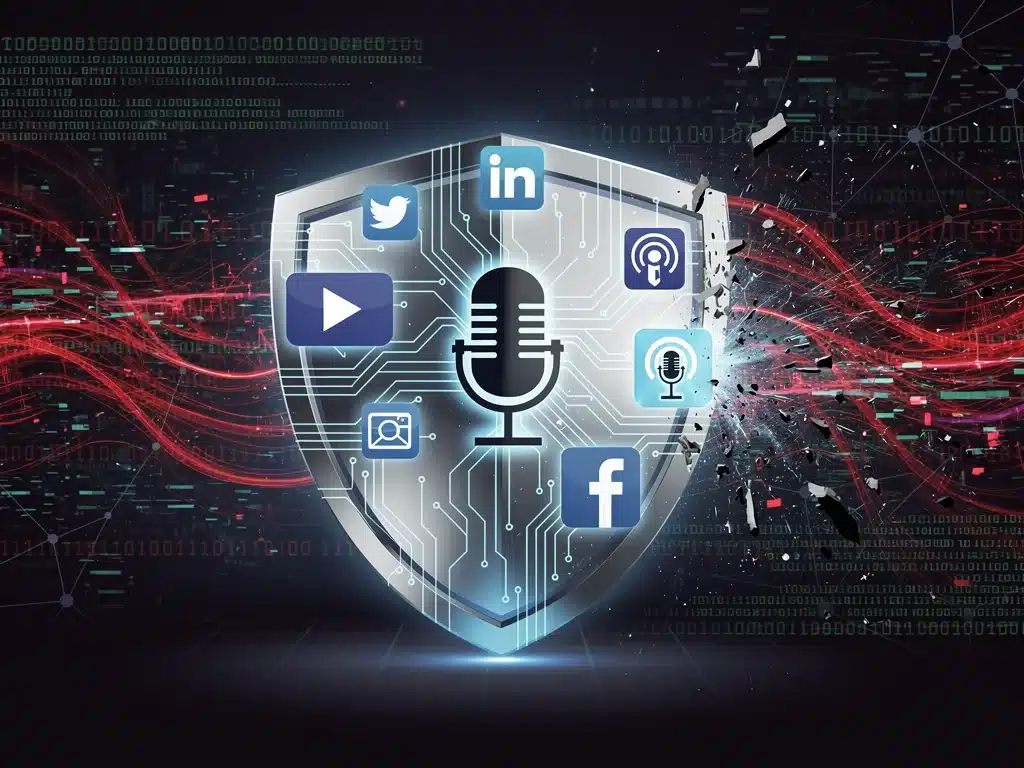
By 2026, cybersecurity threats to digital media platforms are expected to surge by 25%, necessitating immediate and comprehensive proactive strategies to safeguard content integrity, user data, and operational continuity against sophisticated attacks.
The digital realm has become the primary stage for communication, entertainment, and information dissemination. However, this increased reliance brings a heightened risk. By 2026, digital media cybersecurity threats are projected to rise by a staggering 25%, demanding a proactive and robust approach from platforms and consumers alike to ensure safety and trust.
The evolving landscape of digital media threats
The digital media landscape is a fertile ground for innovation, but it also presents an expanding attack surface for malicious actors. As platforms evolve and integrate new technologies, the complexity of securing them grows, creating new vulnerabilities that cybercriminals are quick to exploit. Understanding this dynamic evolution is the first step toward effective defense.
The sheer volume of data processed by digital media platforms makes them prime targets. From user credentials and personal information to proprietary content and financial data, the stakes are incredibly high. The interconnected nature of these platforms also means that a breach in one area can have ripple effects across an entire ecosystem.
Sophistication of attack vectors
Cybercriminals are no longer relying on simple phishing scams. Their methods have become increasingly refined, leveraging advanced techniques to bypass traditional security measures. This sophistication requires a multi-layered defense strategy.
- Advanced persistent threats (APTs): These are stealthy, continuous computer hacking processes, often orchestrated by nation-states or highly organized criminal groups, targeting specific entities.
- Supply chain attacks: Targeting vulnerabilities in third-party software or services integrated into media platforms, allowing attackers to compromise the entire system through a trusted vendor.
- AI-powered attacks: The use of artificial intelligence and machine learning to automate and enhance attacks, making them faster, more efficient, and harder to detect.
The increasing use of AI in content creation and distribution also introduces new avenues for attack, such as deepfakes and AI-generated misinformation, which can severely damage a platform’s credibility and user trust. Defending against these emerging threats requires constant vigilance and adaptation.
In conclusion, the digital media threat landscape is characterized by its rapid evolution and the growing sophistication of adversaries. A comprehensive understanding of these changing dynamics is essential for developing effective proactive cybersecurity measures.
Why digital media platforms are prime targets
Digital media platforms, encompassing everything from social networks and streaming services to news outlets and podcast distributors, possess characteristics that make them exceptionally attractive to cyber adversaries. Their wide reach, high user engagement, and the sensitive nature of the data they handle contribute to their vulnerability.
The immediate and widespread impact of a successful attack on a digital media platform can be devastating. Beyond financial losses, there’s severe reputational damage, erosion of user trust, and potential regulatory penalties. These factors elevate the importance of robust cybersecurity measures.
Data value and user engagement
The vast amounts of personal and behavioral data collected by these platforms are a goldmine for cybercriminals. This data can be sold on the dark web, used for identity theft, or leveraged for targeted scams. The continuous stream of user interaction also provides numerous entry points for attacks.
- Personal user data: Names, email addresses, phone numbers, and payment information are highly sought after.
- Behavioral insights: User preferences, viewing habits, and social connections can be exploited for profiling and targeted manipulation.
- Content integrity: Altering or injecting malicious content can spread misinformation, cause panic, and undermine public discourse.
The interactive nature of digital media platforms, with user-generated content and comment sections, also creates vectors for social engineering and phishing attacks. Users, often less security-aware than platform administrators, can inadvertently become conduits for malware or access credential theft.
Furthermore, the high-profile nature of many digital media platforms makes them targets for hacktivist groups seeking to disrupt services or make political statements. The disruption of news services or social media during critical events can have significant societal implications.
Ultimately, the combination of valuable data, extensive user engagement, and broad societal impact makes digital media platforms irresistible targets for a diverse range of cyber threats, necessitating a proactive and multi-faceted defense.
Common cybersecurity vulnerabilities exploited
Understanding the specific vulnerabilities that cybercriminals exploit is crucial for developing effective defenses. While new threats emerge constantly, many successful attacks leverage common weaknesses that could be mitigated with proper security practices and vigilance. Focusing on these prevalent vulnerabilities can significantly strengthen a platform’s security posture.
Many platforms, especially those rapidly expanding, may prioritize functionality and user experience over rigorous security testing, leaving gaps that attackers can find and exploit. Legacy systems, often integrated into newer architectures, can also introduce unforeseen weaknesses.
Software and application weaknesses
Bugs and flaws in software code are among the most common entry points for attackers. These can range from simple coding errors to complex logic flaws that allow for unauthorized access or data manipulation.
- Unpatched software: Delaying or neglecting to apply security patches for operating systems, applications, and plugins leaves known vulnerabilities open for exploitation.
- Weak authentication mechanisms: Reliance on simple passwords, lack of multi-factor authentication (MFA), or insecure session management can lead to account takeovers.
- Injection flaws: SQL injection, cross-site scripting (XSS), and other injection vulnerabilities allow attackers to execute malicious code or extract sensitive data from databases.
Misconfigurations in cloud environments, APIs, and network devices also frequently serve as pathways for attackers. These often arise from human error or a lack of understanding of secure configuration best practices. Automated scanning and regular audits are essential to detect and correct these issues proactively.
Moreover, the human element remains a significant vulnerability. Phishing, social engineering, and insider threats (both malicious and accidental) can bypass even the most sophisticated technological defenses. Comprehensive security awareness training for all employees is therefore indispensable.
In summary, a combination of technical flaws, human error, and inadequate patching practices creates numerous opportunities for cybercriminals. Addressing these common vulnerabilities systematically is a cornerstone of a proactive cybersecurity strategy.
Proactive strategies for digital media platforms
Given the escalating threat landscape, a reactive approach to cybersecurity is no longer sufficient for digital media platforms. Proactive strategies are paramount, focusing on anticipating threats, building resilience, and fostering a security-first culture. This involves a blend of technological advancements, policy implementation, and continuous training.
Moving beyond simply responding to incidents, proactive security aims to prevent breaches before they occur, or at least minimize their impact. This shift in mindset requires investment in foresight and robust preparedness, acknowledging that threats are always evolving.
Implementing robust security frameworks
Adopting established cybersecurity frameworks and standards provides a structured approach to managing risks and implementing controls. Frameworks like NIST Cybersecurity Framework or ISO 27001 offer comprehensive guidelines.
- Zero Trust architecture: Assuming no user or device can be trusted by default, regardless of whether they are inside or outside the network perimeter, requiring continuous verification.
- Threat intelligence integration: Actively gathering and analyzing information about emerging threats, vulnerabilities, and attack methodologies to anticipate and prepare for future attacks.
- Regular penetration testing and audits: Continuously testing systems for weaknesses and conducting independent security audits to identify and rectify vulnerabilities before they are exploited.
Investing in advanced security technologies such as AI-driven threat detection, behavioral analytics, and encryption for data in transit and at rest is also critical. These tools can help identify anomalies and potential threats that traditional security measures might miss.
Furthermore, developing a comprehensive incident response plan is a key proactive measure. This plan outlines the steps to be taken before, during, and after a security incident, ensuring a swift and effective response that minimizes damage and facilitates recovery.
In essence, proactive cybersecurity for digital media platforms is about building a resilient, adaptable defense system that not only protects against current threats but is also prepared to face the challenges of the future.
The role of AI and machine learning in defense
As cyber threats become more sophisticated and numerous, traditional, signature-based security solutions struggle to keep pace. This is where artificial intelligence (AI) and machine learning (ML) emerge as indispensable tools in bolstering the cybersecurity defenses of digital media platforms. Their ability to process vast amounts of data and identify complex patterns offers a significant advantage.
AI and ML can automate many aspects of threat detection and response, freeing up human security analysts to focus on more complex strategic tasks. This automation also allows for faster reaction times to emerging threats, which is critical in preventing widespread damage.
Predictive analytics and anomaly detection
One of the most powerful applications of AI in cybersecurity is its capacity for predictive analytics and anomaly detection. By continuously learning from network traffic, user behavior, and system logs, AI can establish baselines of normal activity and flag deviations.
- Behavioral analytics: AI models can identify unusual user behaviors, such as login attempts from new locations or access to sensitive data outside of typical working hours, indicating a potential compromise.
- Malware detection: ML algorithms can analyze file characteristics and execution patterns to detect novel or polymorphic malware that traditional antivirus software might miss.
- Automated incident response: AI can trigger automated responses, such as isolating an infected system or blocking malicious IP addresses, reducing the time an attacker has to cause damage.
Beyond detection, AI can also assist in threat intelligence by analyzing global threat data to identify emerging trends and predict future attack vectors. This proactive insight allows platforms to strengthen their defenses against anticipated threats before they fully materialize.
However, it’s important to acknowledge that AI is not a silver bullet. Its effectiveness depends on the quality of the data it’s trained on and the expertise of the human analysts who oversee it. The ethical implications and potential for AI to be used by attackers also require careful consideration.
In conclusion, AI and machine learning are revolutionizing cybersecurity by providing platforms with enhanced capabilities for detection, prediction, and automated response. Integrating these technologies is a crucial step towards a more resilient digital media environment.
Building a culture of security awareness
Even the most advanced technological safeguards can be undermined by human error. Therefore, cultivating a strong culture of security awareness among all employees and, to some extent, users, is a non-negotiable component of a truly proactive cybersecurity strategy for digital media platforms. Security is everyone’s responsibility.
A culture of security awareness goes beyond mere compliance; it embeds security considerations into daily operations and decision-making processes. It encourages vigilance, critical thinking, and proactive reporting of suspicious activities.
Employee training and education
Regular, engaging, and relevant training programs are essential to equip employees with the knowledge and skills to identify and respond to cyber threats. This training should cover a range of topics tailored to different roles within the organization.
- Phishing awareness: Teaching employees to recognize and report suspicious emails, links, and attachments.
- Strong password practices and MFA: Emphasizing the importance of unique, complex passwords and the use of multi-factor authentication for all accounts.
- Data handling protocols: Educating staff on how to securely handle sensitive user data and proprietary information, adhering to privacy regulations.
Beyond formal training, fostering an environment where employees feel comfortable reporting security concerns without fear of reprisal is vital. Encouraging an open dialogue about security risks helps to identify potential vulnerabilities before they can be exploited.
For users, platforms can contribute to awareness by providing clear, accessible information on best security practices, such as enabling MFA, recognizing common scams, and understanding privacy settings. While platforms cannot control user behavior entirely, they can empower users to protect themselves more effectively.
Ultimately, a robust cybersecurity posture is a blend of technology, policy, and people. By investing in a strong culture of security awareness, digital media platforms can significantly reduce their risk of human-induced vulnerabilities and create a more secure environment for everyone.
| Key Aspect | Brief Description |
|---|---|
| Threat Evolution | Cyber threats are becoming 25% more sophisticated by 2026, requiring advanced defense mechanisms. |
| Vulnerability Focus | Common weaknesses in software, authentication, and human error are prime targets for attackers. |
| Proactive Defense | Implementing Zero Trust, threat intelligence, and regular audits are crucial for prevention. |
| AI’s Role | AI and ML enhance predictive analytics, anomaly detection, and automated incident response. |
Frequently Asked Questions About Digital Media Cybersecurity
The projected increase stems from several factors, including the rapid expansion of digital content, greater reliance on interconnected systems, the growing value of user data, and the increasing sophistication of cybercriminals who leverage advanced tools like AI to launch more complex attacks against these high-profile targets.
Common attacks include data breaches for personal information, denial-of-service (DoS) attacks to disrupt services, phishing schemes to gain credentials, malware injections, and increasingly, supply chain attacks that exploit vulnerabilities in third-party software or services used by the platforms.
Proactive defense involves implementing robust security frameworks like Zero Trust, integrating advanced threat intelligence, conducting regular penetration testing, ensuring prompt software patching, and fostering a strong security awareness culture among employees and users to mitigate human error risks.
AI and machine learning significantly enhance cybersecurity by enabling predictive analytics, detecting anomalies in user behavior and network traffic, identifying novel malware, and automating incident response. This allows platforms to anticipate and react faster to sophisticated and evolving threats.
A culture of security awareness means embedding security best practices into daily operations and employee behavior. It’s crucial because human error remains a significant vulnerability; educated employees are better equipped to identify and report threats, complementing technological defenses and strengthening overall security posture.
Conclusion
The anticipated 25% surge in cybersecurity threats to digital media platforms by 2026 is a clear call to action, demanding a comprehensive and proactive transformation in security strategies. As digital consumption continues to grow, the integrity, availability, and confidentiality of content and user data become paramount. By embracing robust security frameworks, leveraging advanced technologies like AI, and cultivating a pervasive culture of security awareness, digital media platforms can not only mitigate these escalating risks but also build enduring trust with their audiences. The future of digital media hinges on our collective ability to anticipate, adapt, and proactively defend against an ever-evolving threat landscape.
