Influencers’ News Role & FTC Guidelines 2026 Update
Advertisements
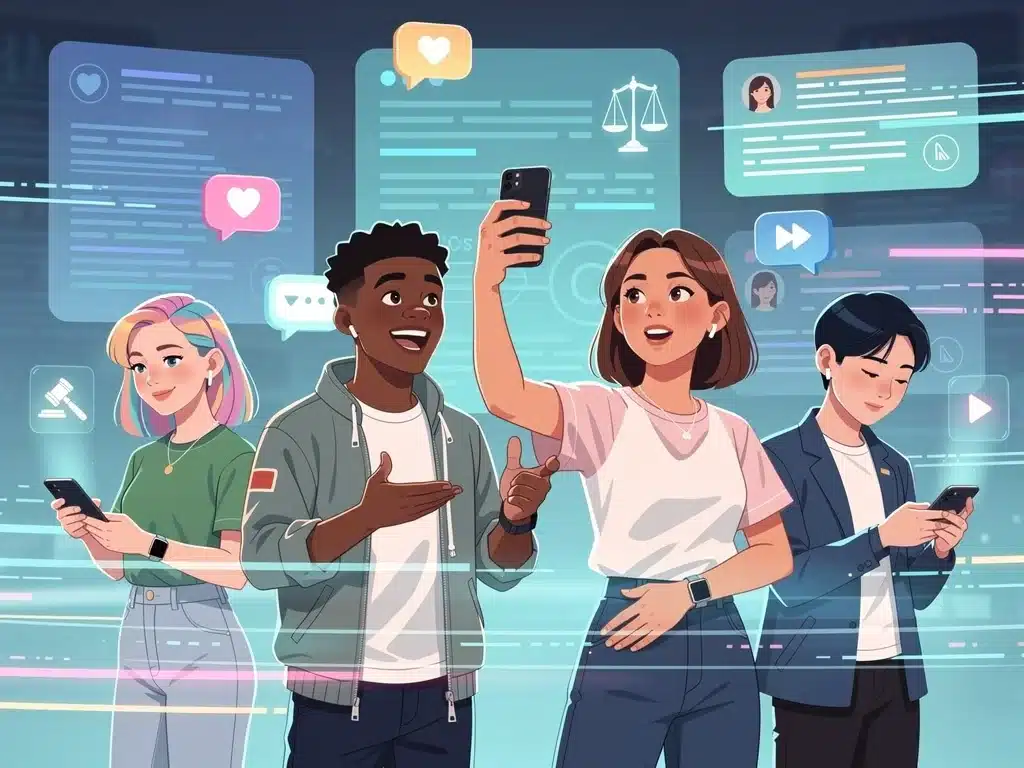
The evolving role of influencers in digital news dissemination is now significantly shaped by the January 2026 update to FTC guidelines, demanding greater transparency and accountability from content creators in the United States.
The landscape of news consumption has dramatically shifted, with social media platforms and content creators increasingly becoming primary sources for information. This transformation brings both exciting opportunities and significant challenges, particularly concerning the accuracy and impartiality of news. The evolving role of influencers in digital news dissemination: a January 2026 update on FTC guidelines is a critical topic that demands our attention, as it reshapes how we understand and regulate information flow in the digital age.
The Rise of Influencers as News Sources
In recent years, the traditional media ecosystem has undergone a profound metamorphosis. Where once established news organizations held almost exclusive dominion over information dissemination, a new cadre of voices has emerged: social media influencers. These individuals, often commanding vast and engaged audiences, have become de facto news aggregators and commentators, shaping public opinion and informing millions.
Their appeal lies in their perceived authenticity and direct connection with their followers, offering a stark contrast to the often-impersonal nature of legacy media. This shift, however, introduces complexities regarding journalistic standards, fact-checking, and the potential for bias or misinformation. The immediacy and virality of social media mean that news, or what is presented as news, can spread globally in minutes, often without rigorous verification.
Shifting Consumption Habits
Younger demographics, in particular, are turning away from traditional news outlets in favor of social media platforms as their primary source of current events. This preference is driven by several factors, including the personalized nature of algorithmic feeds and the conversational tone adopted by many influencers.
- Personalized content delivery
- Direct engagement with creators
- Perceived relatability and authenticity
- Faster dissemination of breaking news
Challenges to Traditional Journalism
The rise of influencers as news sources poses a direct challenge to the financial models and editorial authority of traditional journalism. As advertising revenue migrates to digital platforms and trust in established institutions wanes, news organizations grapple with maintaining their relevance and financial viability in a fragmented media landscape. Moreover, the speed at which influencers operate can sometimes outpace the careful, fact-checked reporting that is the hallmark of professional journalism, leading to a proliferation of unverified claims.
The integration of influencers into the news dissemination process is not without its merits, offering diverse perspectives and reaching audiences that traditional media might overlook. However, it also necessitates a critical examination of the ethical responsibilities that accompany such influence, especially when discussing sensitive or impactful information. Understanding this dynamic is crucial for both content creators and consumers alike.
FTC Guidelines: Evolution and Purpose
The Federal Trade Commission (FTC) has long been the primary regulatory body in the United States tasked with protecting consumers from deceptive advertising. As the digital landscape evolved, so too did the FTC’s focus, expanding to encompass the burgeoning world of influencer marketing. The January 2026 update represents a significant milestone in this ongoing effort, aiming to clarify and strengthen disclosure requirements for influencers, particularly those involved in disseminating news or information that could be perceived as factual.
The core purpose of these guidelines remains consistent: to ensure transparency and prevent deceptive practices. Consumers have a right to know when an endorsement or piece of information is influenced by a material connection to a brand or entity. In the context of news, this becomes even more critical, as undisclosed relationships can compromise the perceived objectivity and trustworthiness of the information shared.
Key Changes in the 2026 Update
The January 2026 update introduces several refinements and clarifications to existing regulations, reflecting the increasing sophistication of influencer marketing tactics and the blurring lines between editorial content and sponsored messaging. These changes are designed to address loopholes and provide clearer guidance for both influencers and brands.
- Mandatory prominent and clear disclosures for all material connections.
- Expanded definition of ‘material connection’ to include non-monetary benefits.
- Increased scrutiny on implied endorsements and subtle product placements within content.
- Specific guidance for news-related content, emphasizing impartiality disclosures.
Enforcement and Accountability
The FTC’s enforcement powers include issuing warning letters, requiring corrective action, and imposing civil penalties. The 2026 update signals a heightened commitment to enforcing these rules, particularly against repeat offenders or those engaging in egregious forms of deception. Influencers and brands are now expected to be proactive in their compliance, rather than reactive to complaints.
This regulatory evolution underscores the growing recognition that the digital sphere, despite its perceived informality, is not exempt from the ethical and legal standards that govern traditional media and advertising. The FTC aims to foster a more transparent and trustworthy online environment for consumers, empowering them to make informed decisions about the content they consume and the products they consider.
Transparency and Disclosure: The New Imperative
With the January 2026 FTC guidelines, transparency and disclosure have moved from best practices to an absolute imperative for influencers operating in the digital news space. The stakes are higher than ever, not just for legal compliance but for maintaining credibility with an increasingly discerning audience. Undisclosed material connections can erode trust, leading to audience skepticism and potential regulatory action.
The new guidelines emphasize that disclosures must be clear, conspicuous, and easily understood by the average consumer. This means avoiding jargon, placing disclosures prominently, and ensuring they are present throughout the content, not just buried in a description or at the end of a long video. The goal is to make it impossible for a viewer to miss the fact that a financial or material connection exists.
What Constitutes a Material Connection?
The FTC’s definition of a material connection extends beyond direct payments. It includes anything that might influence the credibility of an endorsement or statement. This broad interpretation ensures that various forms of benefit or relationship are properly disclosed.
- Monetary payments or free products/services.
- Affiliate relationships where the influencer earns a commission.
- Family or employment relationships with a brand.
- Invitations to exclusive events or travel provided by a brand.
Best Practices for Influencers
To navigate the updated guidelines successfully, influencers need to adopt robust disclosure practices. This includes not only understanding the letter of the law but also embracing the spirit of transparency in all their content. Proactive disclosure builds trust and protects both the influencer and their audience.
For influencers who regularly disseminate news or commentary on current events, the implications are particularly significant. Any alignment, perceived or actual, with political organizations, advocacy groups, or corporations whose interests might intersect with the news being reported must be clearly stated. This level of transparency helps to maintain objectivity and prevent the unwitting spread of biased information.
Impact on News Credibility and Misinformation
The updated FTC guidelines, particularly their emphasis on transparency for influencers involved in news dissemination, are poised to have a substantial impact on the credibility of digital news and the fight against misinformation. When audiences are aware of potential biases or commercial interests behind a news source, they are better equipped to critically evaluate the information presented. This awareness is a crucial step towards fostering a more informed public discourse.
Misinformation thrives in environments where sources are opaque and accountability is lacking. By requiring clear disclosures, the FTC aims to illuminate the underlying motivations of content creators, allowing consumers to distinguish between genuinely independent reporting and content that may be subtly influenced by commercial or other interests. This clarity can help restore a degree of trust that has been eroded in the digital news landscape.
Challenges in Enforcement
Despite the clarity of the new guidelines, enforcing them across the vast and ever-expanding digital ecosystem remains a significant challenge. The sheer volume of content, the global nature of social media, and the constant evolution of new platforms and content formats make comprehensive oversight incredibly difficult. The FTC often relies on consumer complaints and proactive industry compliance.
- Volume of content: Billions of posts daily make individual oversight impossible.
- Platform diversity: Rules must apply across various social media platforms.
- Global reach: Influencers and audiences span international borders.
- Evolving tactics: Marketers constantly find new ways to engage.
Empowering Media Literacy
Beyond regulation, the updated guidelines indirectly empower media literacy initiatives. As the public becomes more accustomed to seeing disclosures, they may naturally develop a more critical eye towards all digital content, whether explicitly sponsored or not. This heightened awareness is vital for navigating a complex information environment where distinguishing fact from opinion, and independent reporting from promotional content, is increasingly difficult.
Ultimately, the effectiveness of these guidelines in combating misinformation will depend on a multi-pronged approach that combines robust regulatory enforcement with sustained efforts in media education and responsible content creation. The goal is not to stifle free speech but to ensure that the information ecosystem operates on a foundation of honesty and integrity, especially when it comes to news.
Adapting to the New Regulatory Landscape
For influencers, brands, and digital news platforms alike, adapting to the January 2026 FTC guidelines is not merely a matter of legal compliance; it represents an opportunity to rebuild trust and foster a more ethical digital environment. Proactive adaptation can prevent costly legal battles, protect brand reputation, and ensure long-term sustainability in a rapidly evolving industry. This requires a comprehensive review of existing practices and the implementation of new strategies.
Brands must educate their influencer partners thoroughly on the disclosure requirements and integrate compliance checks into their campaign workflows. Influencers, in turn, need to take personal responsibility for understanding and adhering to the guidelines, recognizing that their credibility is their most valuable asset. The new landscape demands a collaborative effort to uphold ethical standards.
Strategies for Compliance
Successful adaptation involves more than just adding a hashtag. It requires a fundamental shift in how content is planned, created, and published. Establishing clear internal protocols and providing ongoing training are essential components of a robust compliance strategy.
- Develop clear internal policies for disclosure.
- Provide regular training for all content creators and marketing teams.
- Implement robust review processes before content goes live.
- Utilize disclosure tools and features offered by platforms.
The Role of Platforms
Social media platforms also bear a significant responsibility in facilitating compliance with the updated FTC guidelines. They can do this by providing clearer disclosure tools, enforcing platform-specific rules, and actively monitoring content for violations. Their cooperation is crucial for creating a uniformly transparent ecosystem.
The adaptation process will likely involve a period of adjustment as all stakeholders learn to navigate the nuances of the new regulations. However, the long-term benefits of a more transparent and trustworthy digital news environment far outweigh the initial challenges. It’s about building a sustainable future for digital communication where information integrity is paramount.
Future Outlook: Beyond 2026
The January 2026 FTC guidelines are not the final word on influencer regulation; rather, they represent a significant step in an ongoing evolution. As technology advances and new forms of digital communication emerge, regulatory frameworks will need to continue adapting. The future outlook suggests an even greater emphasis on ethical AI, deepfakes, and the authenticity of digital content, posing new challenges for regulators and content creators alike.
We can anticipate further refinements to disclosure requirements, potentially extending to AI-generated content or virtual influencers. The distinction between human and artificial influence will become increasingly blurred, necessitating new rules to ensure consumers are always aware of the source and potential biases of the information they encounter. The conversation around digital ethics is far from over.
Anticipated Regulatory Trends
Several trends are likely to shape future regulatory developments. These include a focus on proactive compliance, greater international cooperation on digital advertising standards, and the integration of emerging technologies into existing legal frameworks.
- Increased focus on AI-generated content disclosure.
- Potential global harmonization of influencer regulations.
- Development of new tools for automated compliance checks.
- Greater penalties for systemic non-compliance.
The Enduring Importance of Trust
Ultimately, the success of any regulatory effort hinges on its ability to foster trust between content creators and their audiences. In a world saturated with information, trust remains the most valuable currency. Influencers who consistently adhere to ethical guidelines and prioritize transparency will be best positioned for long-term success, regardless of future regulatory changes.
The journey towards a fully transparent and responsible digital news ecosystem is continuous. The 2026 FTC guidelines serve as a crucial benchmark, pushing the industry towards greater accountability and encouraging a more critical engagement with digital information. The future will demand even greater vigilance and a commitment to integrity from all involved.
| Key Aspect | Brief Description |
|---|---|
| Influencers as News Sources | Social media influencers increasingly shape news consumption, particularly among younger audiences, challenging traditional media. |
| FTC 2026 Guidelines Update | Strengthened disclosure rules for influencers, emphasizing transparency for all material connections, including news content. |
| Impact on Credibility | Enhanced transparency aims to combat misinformation and improve the trustworthiness of digital news dissemination. |
| Adaptation & Future | Influencers and brands must adapt to new regulations, with future trends pointing towards AI ethics and global harmonization. |
Frequently Asked Questions About Influencers and News Guidelines
The 2026 FTC guidelines significantly strengthen disclosure requirements, demanding clear and prominent identification of all material connections. This includes a broader definition of ‘material connection’ and specific guidance for news-related content, ensuring impartiality is maintained.
Influencers resonate with audiences, especially younger demographics, due to their perceived authenticity, direct engagement, and personalized content delivery. They offer a more relatable and immediate alternative to traditional news outlets, fitting into modern consumption patterns.
By requiring clear disclosures, the guidelines empower consumers to critically assess potential biases or commercial interests behind news content. This transparency helps distinguish independent reporting from promotional material, thereby combating the spread of misinformation effectively.
A material connection goes beyond direct payments, encompassing anything that could influence an endorsement or statement. This includes free products, affiliate commissions, family or employment ties to a brand, or exclusive benefits like sponsored travel or event access.
Influencers must adopt clear, conspicuous, and consistent disclosure practices. This involves understanding the guidelines, implementing internal policies, training teams, and utilizing platform-specific tools to ensure all material connections are transparently communicated to their audience.
Conclusion
The January 2026 update to FTC guidelines marks a pivotal moment in regulating the influence of digital content creators, particularly concerning news dissemination. The evolving role of influencers in digital news dissemination necessitates a robust framework to ensure transparency, combat misinformation, and uphold the integrity of information. While challenges in enforcement and adaptation remain, these guidelines are a crucial step towards fostering a more accountable and trustworthy digital media landscape. Ultimately, the success of these regulations will depend on the collective commitment of influencers, brands, platforms, and consumers to prioritize truth and transparency in the ever-expanding digital sphere.
